The Role of Sports in Diplomacy
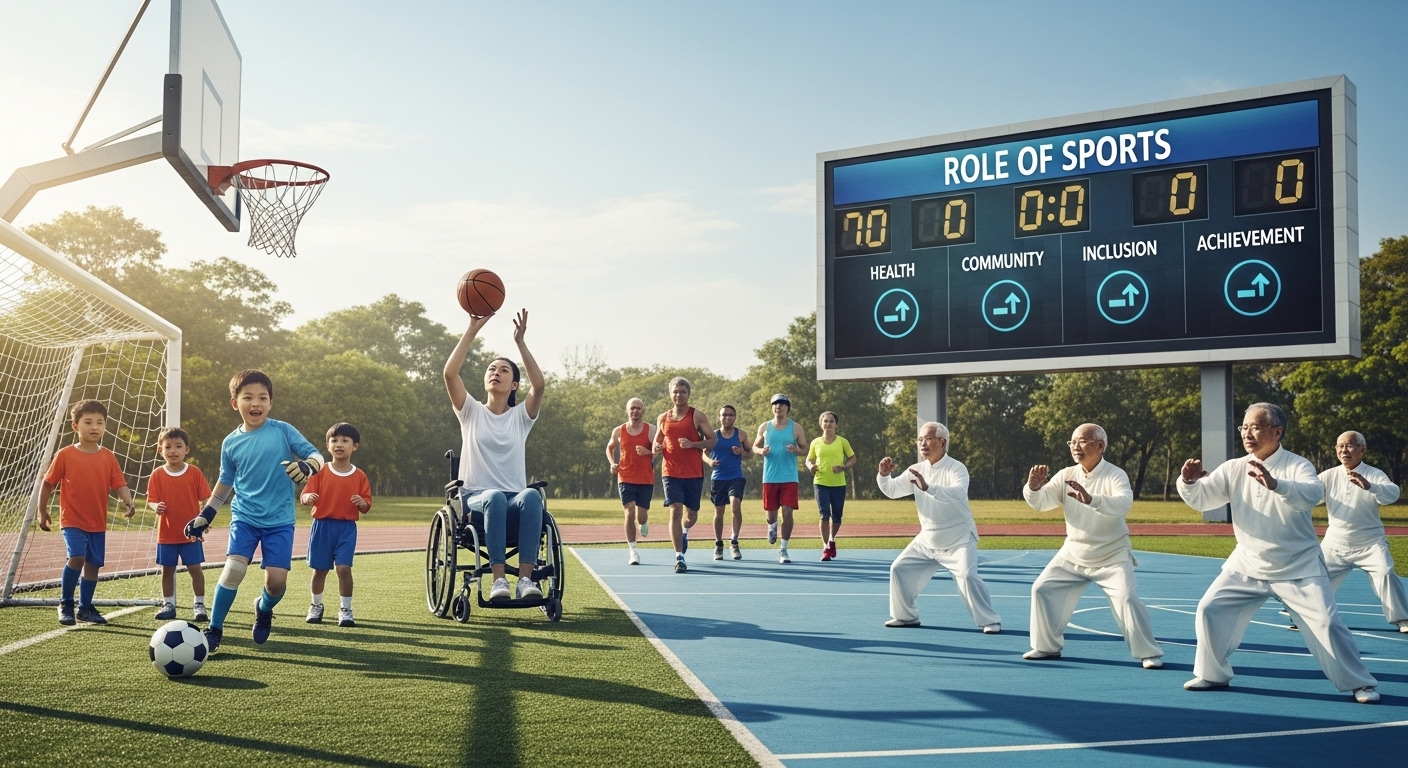
Sports have always been more than just a form of entertainment. From ancient Olympic Games in Greece to modern international competitions, sports have acted as a bridge between cultures, nations, and people. In the realm of diplomacy, sports play a powerful role by fostering dialogue, reducing tensions, and creating opportunities for cooperation in ways that politics alone often cannot achieve.
Sports as a Universal Language
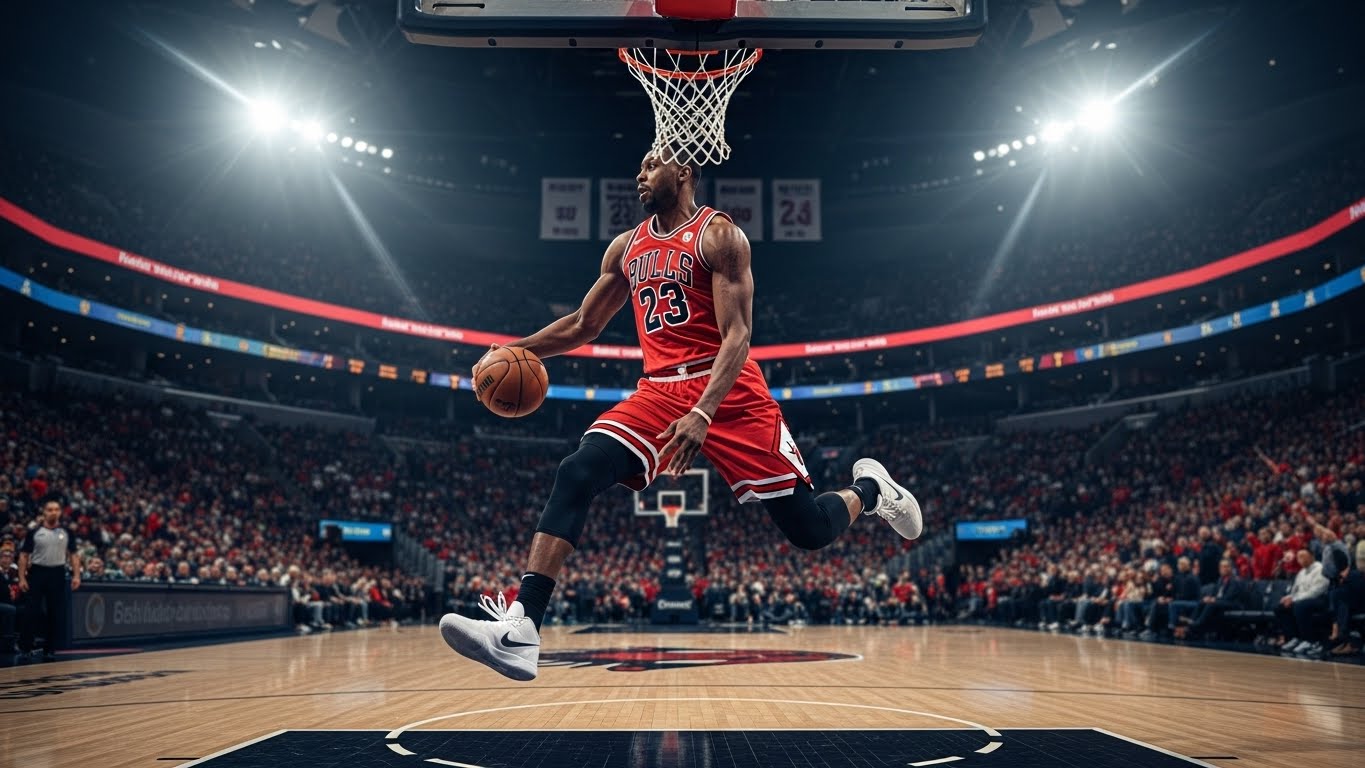
One of the most remarkable aspects of sports is its universality. Unlike political speeches or policy debates, sports transcend language, culture, and ideology. A goal scored in football, a slam dunk in basketball, or a finish-line sprint in athletics can be understood and celebrated by anyone, regardless of nationality. This universality makes sports a tool for connection even in the most divided contexts.
When athletes from different countries compete, they communicate not through words but through performance, respect, and fair play. This common ground becomes the foundation for diplomatic exchanges and mutual understanding.
Historical Examples of Sports Diplomacy
Throughout history, sports have been used intentionally and unintentionally as instruments of diplomacy.
The Olympic Games
The modern Olympic Games, revived in 1896, were envisioned as a celebration of peace and unity among nations. Despite occasional boycotts and controversies, the Olympics continue to symbolize cooperation and global harmony. Athletes from rival countries share arenas, villages, and even friendships that endure beyond the competition.
Ping-Pong Diplomacy
One of the most famous examples of sports diplomacy occurred in the early 1970s between the United States and China. Known as “Ping-Pong Diplomacy,” American table tennis players were invited to compete in China, marking the first step toward thawing relations between the two nations during the Cold War. Shortly after, President Richard Nixon visited China, an event that reshaped international relations.
Rugby and Nelson Mandela
In South Africa, rugby became a unifying force during a critical time in the nation’s history. After the end of apartheid, Nelson Mandela used the 1995 Rugby World Cup to promote reconciliation. Wearing the jersey of the South African team, Mandela presented the trophy to captain Francois Pienaar, symbolizing national unity. This moment demonstrated how sports can heal divisions and bring people together.
Modern Diplomacy Through Sports
In today’s interconnected world, sports continue to be an essential tool in diplomacy. International competitions such as the FIFA World Cup, the Olympics, and continental tournaments provide platforms where political tensions often give way to shared enthusiasm.
Countries also engage in sports exchanges, training programs, and joint events as a way to foster goodwill. For instance, North and South Korea have occasionally fielded joint teams, showing that cooperation is possible even amidst longstanding conflict. Similarly, nations often host international tournaments as a form of soft power, projecting an image of openness, culture, and modernity to the world.
Sports as a Form of Soft Power
Soft power refers to the ability of a nation to influence others through attraction and culture rather than coercion. Sports are a vital element of this. When a country hosts the Olympics or the World Cup, it is not just organizing games but also showcasing its values, infrastructure, and identity to a global audience.
For example, Japan’s hosting of the 2020 Olympics highlighted resilience and innovation, while Qatar’s 2022 World Cup aimed to present the nation as a global hub in the Middle East. In both cases, sports served as a vehicle for enhancing diplomatic influence.
Sports Diplomacy and Peacebuilding
In conflict zones or regions of political instability, sports can be a neutral ground where opposing sides find commonality. NGOs and international organizations often use sports-based initiatives to bring young people together, reduce prejudice, and build trust. Programs like Football for Peace or Basketball Without Borders demonstrate how grassroots sports initiatives can have a profound diplomatic impact.
Even at the highest level, moments of sportsmanship often resonate beyond the playing field. Handshakes between rival athletes, exchanges of jerseys, and public gestures of respect contribute to a broader culture of peace and dialogue.
Challenges in Sports Diplomacy
While sports have incredible potential in diplomacy, challenges remain. Political boycotts of international events continue to occur, reflecting unresolved tensions. Doping scandals corruption and commercialization sometimes overshadow the spirit of unity that sports are meant to promote. Moreover, hosting major tournaments can spark debates over human rights, inequality, and economic costs.
Still, these challenges do not diminish the underlying truth that sports remain one of the few platforms where nations consistently engage with each other in a spirit of competition rather than conflict.
The Future of Sports in Diplomacy
As the world becomes increasingly interconnected, the role of sports in diplomacy will only grow. Emerging technologies allow global audiences to share moments instantly, magnifying the cultural and diplomatic impact of sporting events. At the same time, athletes themselves are becoming ambassadors of goodwill, using their platforms to speak on global issues and promote dialogue.
Future peacebuilding efforts will likely include more structured use of sports diplomacy, with governments and organizations investing in international sports programs as tools for cultural exchange and cooperation.
Conclusion
The role of sports in diplomacy is undeniable. From historic moments like Ping-Pong Diplomacy and Mandela’s rugby gesture to modern global events like the World Cup, sports have shown their power to unite, inspire, and influence international relations. While challenges remain, the potential of sports as a diplomatic tool continues to shine brightly.
In a world often divided by politics, borders, and ideology, sports provide a universal stage where nations can come together in competition and cooperation. Ultimately, sports diplomacy reminds us that while teams may compete on the field, humanity shares a collective victory when unity triumphs over division.