
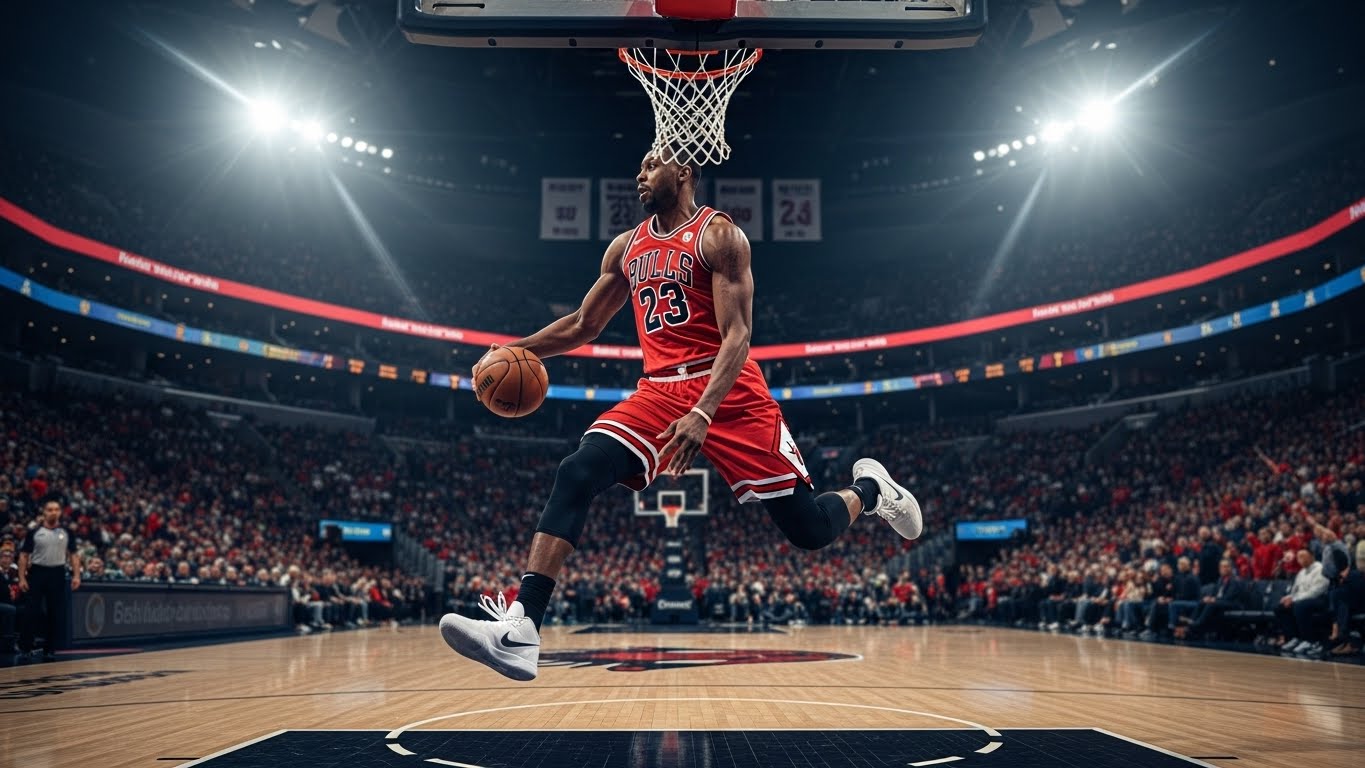
The Spirit of Sports: How Athletic Passion Shapes Lives and Cultures Around the World
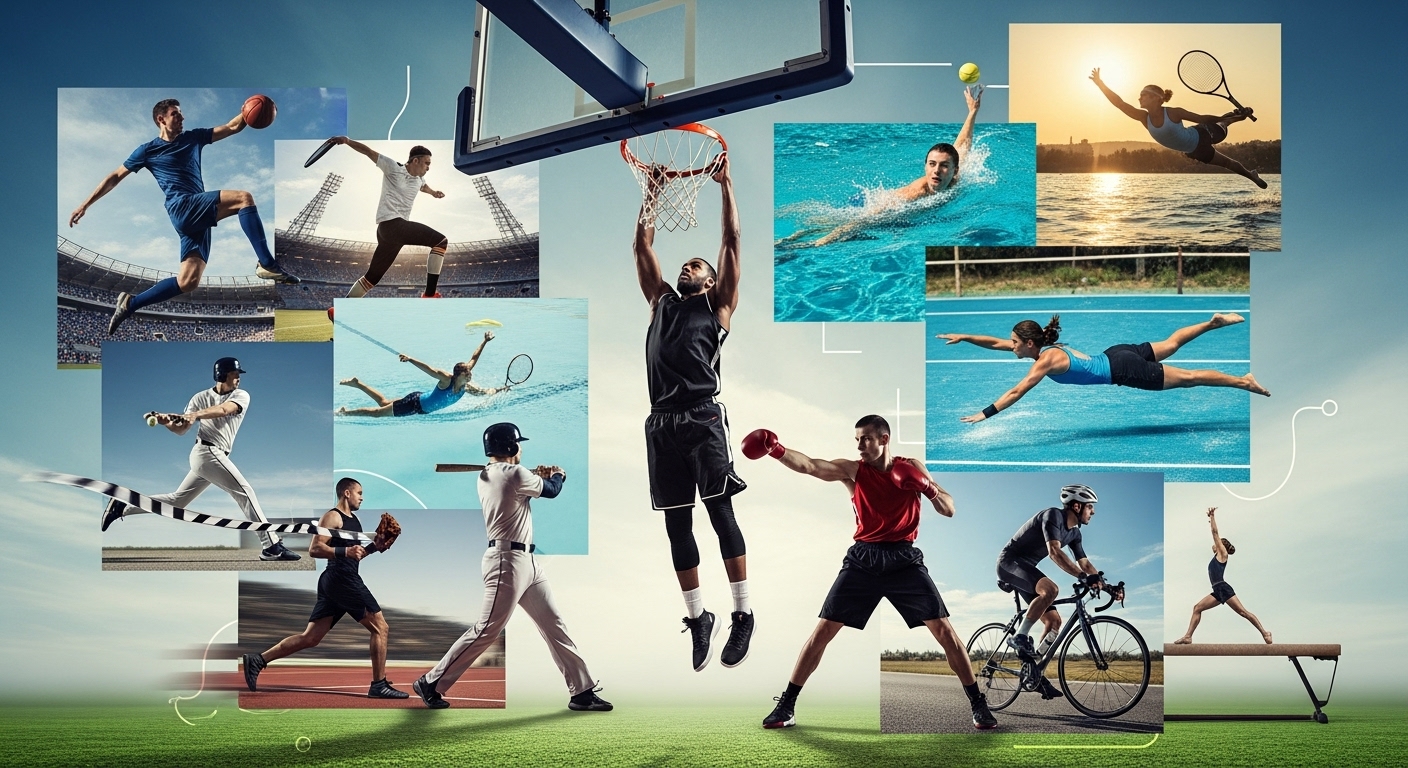
Sports are more than just games. They are a universal language, a form of expression, and a source of inspiration that connects people across cultures, generations, and backgrounds. Whether it’s the excitement of a World Cup final, the intensity of a basketball playoff, or the grace of a tennis rally, sports have a unique way of stirring emotions, building unity, and teaching life’s most important lessons. The world of sports is vast and powerful, influencing societies, economies, and even global politics. This blog explores how sports have evolved, their deep impact on individuals and nations, and why they remain one of humanity’s greatest passions.
The Origins of Sports: From Survival to Celebration
The history of sports dates back to ancient times when physical strength and skill were essential for survival. Early humans engaged in hunting, running, and combat, not for recreation but as necessary activities for life. Over time, these physical challenges transformed into organized contests that celebrated strength, courage, and honor.
Ancient civilizations such as Greece, Egypt, China, and Rome introduced structured competitions. The Greeks are often credited with formalizing sports through the creation of the Olympic Games in 776 BC, which honored the gods and showcased athletic excellence. Sports like wrestling, running, and discus throwing were popular events that reflected both discipline and glory.
In Rome, gladiatorial games became a grand spectacle. Though brutal by modern standards, they displayed courage and strategy. Meanwhile, in China, martial arts and games like cuju (an early form of soccer) became part of cultural traditions. These early forms of sport were not merely entertainment; they were a reflection of societal values, discipline, and the human desire for achievement.
The Evolution of Modern Sports
As societies advanced, so did sports. The Industrial Revolution in the 18th and 19th centuries transformed sports from local leisure activities into organized competitions. Urbanization brought people together in cities, and structured sports clubs and associations began to form. With the establishment of official rules and the standardization of games, modern sports were born.
England played a pivotal role in formalizing many of today’s popular sports. Soccer, cricket, tennis, and rugby all evolved during this period with codified rules and professional organizations. The founding of the Football Association in 1863 set the stage for soccer’s worldwide popularity. Similarly, sports like baseball and basketball emerged in the United States, giving birth to new forms of athletic entertainment that would later spread globally.
The invention of modern transportation and communication further expanded sports. Teams could now travel internationally, and newspapers covered sporting events, creating widespread enthusiasm. Sports became a reflection of modern life, symbolizing teamwork, progress, and national pride.
The Globalization of Sports
Today, sports transcend borders. Every continent has its heroes, every country has its favorite teams, and every community has its traditions. The Olympics remain one of the most powerful symbols of global unity, bringing together nations in peaceful competition. Similarly, the FIFA World Cup is a global celebration of soccer, uniting billions of fans regardless of language or culture.
The global spread of sports owes much to media and technology. Television broadcasting allowed fans to watch games live, creating global icons like Muhammad Ali, Pelé, and Serena Williams. Social media has taken it even further, allowing athletes to interact directly with fans and share their journeys instantly with millions of people.
Sports also play a key role in diplomacy. Events like the 1995 Rugby World Cup in South Africa symbolized the end of apartheid and national unity under Nelson Mandela’s leadership. Similarly, sports exchanges between nations have often helped ease political tensions, proving that athletic competition can serve as a bridge for peace and understanding.
The Psychological and Social Impact of Sports
Sports are not only physical; they are deeply emotional and psychological experiences. They teach discipline, teamwork, perseverance, and the value of hard work. Athletes learn to face challenges, deal with failure, and continuously strive for improvement. These lessons extend far beyond the field and become valuable life skills applicable to education, business, and relationships.
For fans, sports provide joy, identity, and a sense of belonging. Supporting a team or athlete creates community spirit and shared emotion. The unity seen in a crowd cheering for their team reflects how sports can dissolve social barriers. In moments of victory, fans from different walks of life celebrate together; in defeat, they share the same pain.
Sports also have a therapeutic effect. Physical activity releases endorphins, reducing stress and improving mental health. For children and teenagers, engaging in sports builds confidence, enhances focus, and promotes social development. In communities, sports programs often keep youth away from negative influences, providing positive outlets for energy and ambition.
The Role of Women in Sports
For centuries, women faced barriers in sports, often excluded from major competitions or limited to certain activities. However, the 20th century witnessed a major shift as women began breaking boundaries and demanding equality in the sporting world.
Icons like Billie Jean King in tennis, Mia Hamm in soccer, and Serena Williams in modern times redefined what it means to be a female athlete. Their victories were not just personal; they represented milestones for gender equality. Today, women compete at the highest levels in almost every sport, inspiring new generations of girls to pursue athletic dreams.
The increasing visibility of women’s sports has also changed societal attitudes. The success of women’s leagues and international tournaments highlights that athletic talent knows no gender. Female athletes are now celebrated for their strength, determination, and skill, proving that sports truly belong to everyone.
The Business and Commercial Side of Sports
Sports have grown into one of the most lucrative industries in the world. From sponsorships and broadcasting rights to merchandising and endorsements, the business of sports generates billions annually. Professional athletes today are global brands, often earning more from endorsements than from their actual sport.
Television networks and streaming platforms compete for broadcasting rights to major leagues and tournaments, knowing that sports attract massive audiences. Advertising during events like the Super Bowl or World Cup costs millions, reflecting the incredible commercial power of sports.
However, commercialization has its challenges. The immense pressure to win can sometimes lead to unethical practices such as doping, match-fixing, or financial corruption. Balancing profit with integrity remains a major concern for sports organizations. Despite these challenges, the commercialization of sports has also created job opportunities, economic growth, and global visibility for athletes from all backgrounds.
The Technological Revolution in Sports
Technology has transformed every aspect of sports, from training methods to fan experiences. Athletes now use advanced data analytics to measure performance, identify weaknesses, and prevent injuries. Wearable devices track heart rates, speed, and fatigue levels, allowing for personalized training programs that maximize results.
Instant replay, goal-line technology, and video-assisted refereeing have improved fairness and accuracy in officiating. Virtual reality is being used to simulate game situations for training, while fans can enjoy immersive experiences through virtual and augmented reality broadcasts.
Social media has also revolutionized fan engagement. Athletes share behind-the-scenes moments, communicate directly with fans, and build personal brands that go beyond the game. Technology has made sports more interactive, transparent, and globally connected than ever before.
The Challenges Facing Modern Sports
Despite its many benefits, the sports world is not without challenges. One of the biggest issues is the mental health of athletes. The pressure to perform, constant media scrutiny, and physical exhaustion can lead to stress, anxiety, and burnout. Many athletes have recently spoken openly about their struggles, helping to break the stigma surrounding mental health in sports.
Another major challenge is corruption and unfair practices. Issues like doping and match manipulation threaten the integrity of competitions. Sports organizations continue to implement stricter rules and technologies to ensure fairness and transparency.
Environmental sustainability is also becoming a concern. Large sporting events generate massive carbon footprints, and many organizations are now adopting eco-friendly practices such as sustainable stadiums and recycling initiatives.
The Future of Sports: Innovation and Inclusion
The future of sports looks exciting and inclusive. New generations of athletes are emerging with fresh perspectives, breaking barriers of race, gender, and nationality. eSports, or competitive video gaming, is gaining recognition as a legitimate form of sport, attracting millions of fans and players worldwide.
Inclusivity is also expanding. Paralympic Games continue to highlight the incredible talent of differently-abled athletes, proving that physical limitations do not define one’s spirit or potential. Grassroots initiatives are promoting sports among underprivileged youth, ensuring that talent from all backgrounds gets the chance to shine.
Technology will continue to shape the sporting landscape, but the essence of sports—passion, competition, and human connection—will remain unchanged. As artificial intelligence and virtual reality become more integrated, fans will experience games in ways once unimaginable, but the human emotion at the heart of sports will always endure.
Conclusion: The Everlasting Power of Sports
Sports are far more than physical competition; they are a reflection of human potential, determination, and unity. They inspire dreams, build character, and bring people together in ways few other things can. From the ancient arenas of Greece to the high-tech stadiums of today, the spirit of sports has always been about more than victory—it’s about passion, perseverance, and purpose.
No matter how much the world changes, sports will continue to play an essential role in shaping culture and humanity. They remind us that excellence is earned, not given, and that teamwork and respect are the foundation of success. The true beauty of sports lies not only in winning but in the journey, the effort, and the unbreakable spirit that drives every athlete and every fan around the globe.