
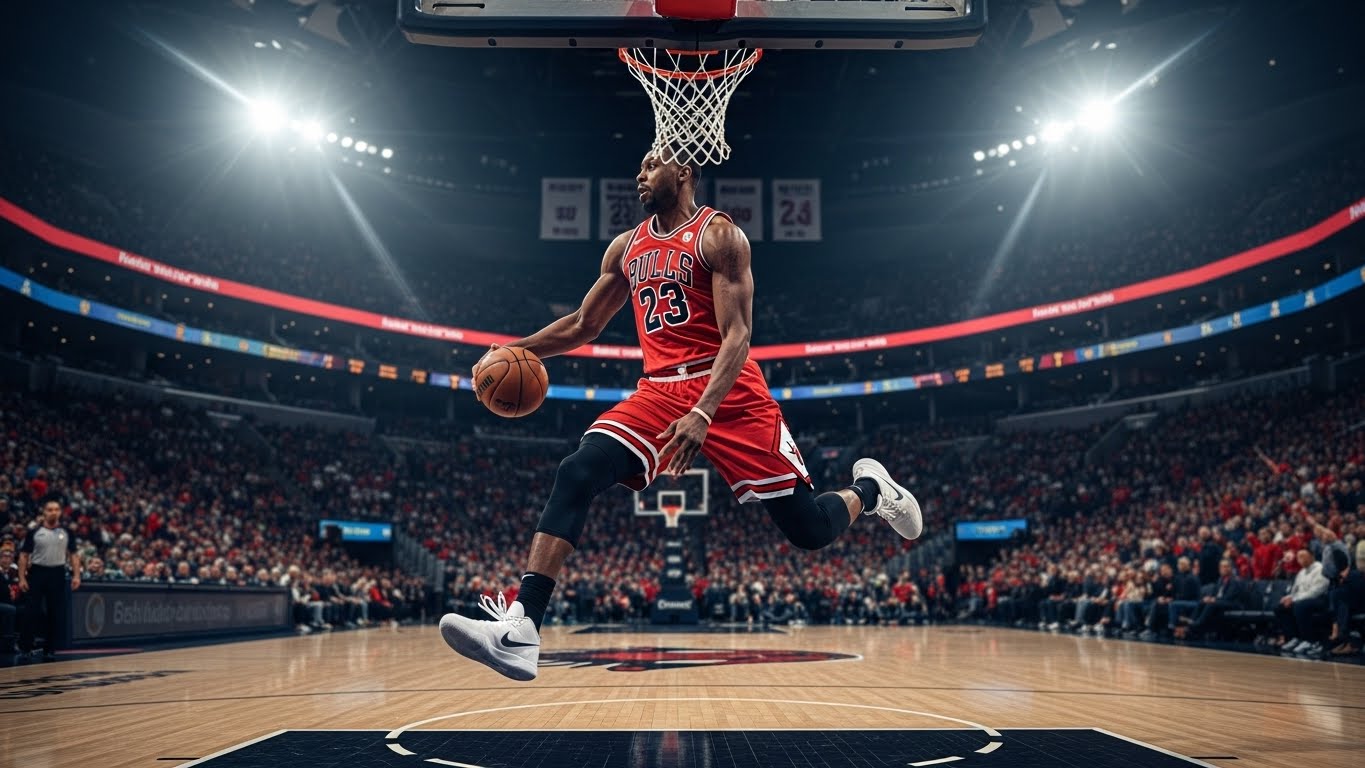
Beyond the Game: How Sports Inspire Strength, Unity, and the Human Spirit
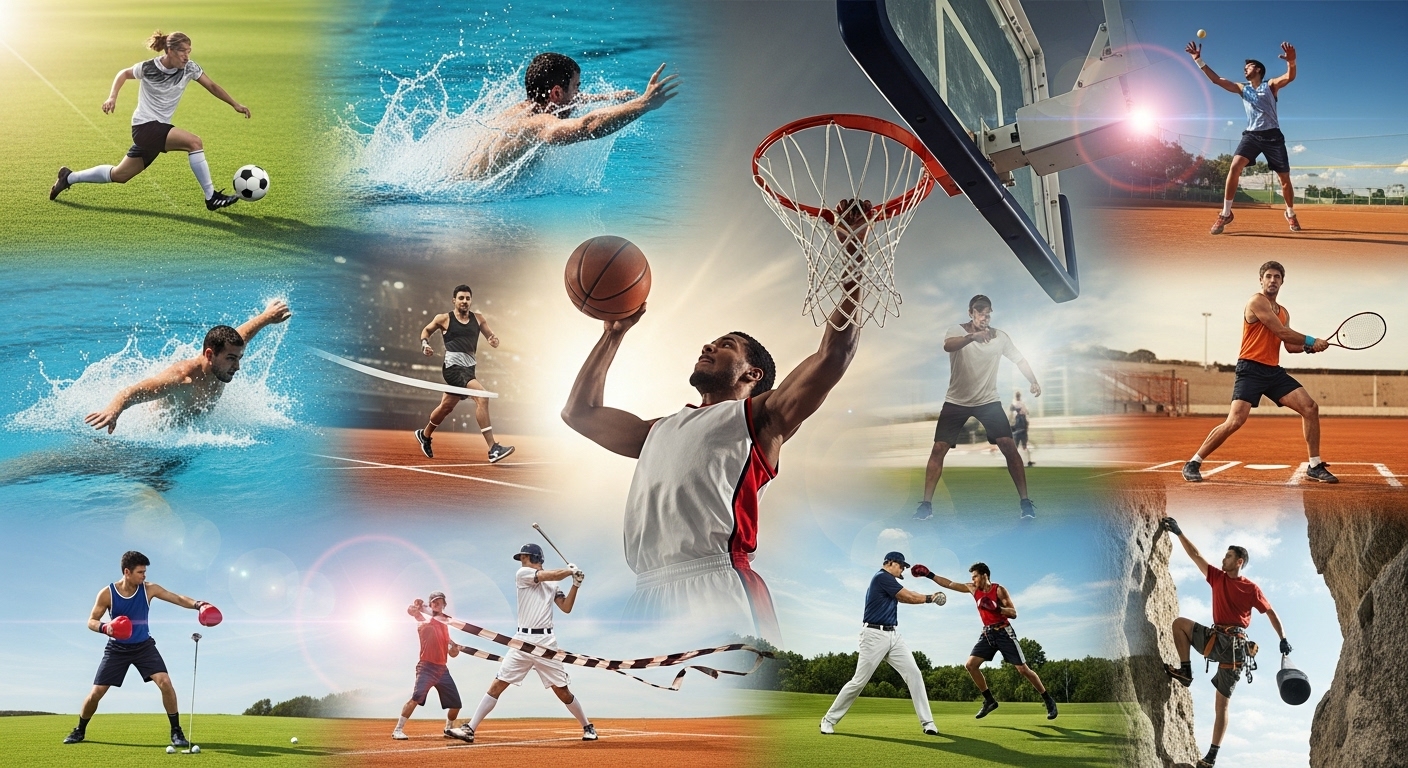
Introduction
Sports have always been more than just physical contests or games played for entertainment. They represent the triumph of the human spirit, the pursuit of excellence, and the unity that transcends borders, languages, and cultures. From the early Olympic Games of ancient Greece to the global sporting events of today, sports have shaped societies, inspired generations, and built bridges between people. They are a universal language that everyone understands—where talent, determination, and teamwork speak louder than words.
This blog explores the deep-rooted significance of sports in our lives, how they have evolved over centuries, and their influence on individuals, communities, and the world at large.
The Historical Roots of Sports
The history of sports dates back thousands of years, to a time when physical strength and skill were essential for survival. Early humans hunted, ran, fought, and competed not for trophies but to test endurance and dominance. Over time, these acts of survival evolved into organized contests for honor and entertainment.
In ancient Egypt, people competed in swimming, wrestling, and archery. The Greeks formalized sports through the Olympic Games, where athletes represented their city-states in events like discus throw, long jump, and chariot racing. These competitions celebrated human excellence and physical perfection.
Meanwhile, in China, martial arts became both a spiritual and athletic practice. In Rome, gladiatorial contests were held in massive arenas to entertain the public and demonstrate bravery. Across different civilizations, sports served as a unifying activity that reflected culture, power, and tradition.
As centuries passed, these activities laid the foundation for modern sports, which continue to celebrate human strength, speed, strategy, and endurance.
The Evolution of Modern Sports
The transformation of sports from ancient rituals to organized global events began during the 18th and 19th centuries. With the rise of industrialization, people began to have more leisure time. This gave birth to organized sporting clubs, standardized rules, and professional competitions.
England became the center of this sporting revolution, giving rise to sports like football, cricket, tennis, and rugby. The creation of governing bodies and international tournaments marked the beginning of global competition. Sports like baseball and basketball emerged in the United States, soon spreading to every corner of the world.
Technological advancements such as transportation and communication allowed athletes and fans to connect across continents. Newspapers, followed by radio and television, helped spread enthusiasm for sports far and wide. What was once a local pastime became an international phenomenon.
Today, sports are not just about competition but also about culture, identity, and unity. The Olympic Games, FIFA World Cup, and other major events attract billions of viewers, proving that sports remain one of the most powerful forces uniting humanity.
The Emotional and Psychological Power of Sports
Sports touch our emotions in ways few other activities can. They teach perseverance, discipline, teamwork, and resilience. Every victory comes after countless hours of effort, and every defeat becomes a lesson in humility and strength.
For athletes, sports are a test of mental toughness as much as physical ability. Training demands focus, sacrifice, and the ability to push beyond limits. The mental battles fought on the field often mirror those in life—overcoming self-doubt, dealing with pressure, and striving for excellence despite setbacks.
For fans, sports are emotional experiences that bring joy, pride, and unity. The roar of the crowd when a goal is scored or a record is broken creates shared moments of happiness. Supporting a team or athlete becomes part of one’s identity, connecting people from different walks of life through passion and loyalty.
Moreover, sports have therapeutic value. Physical activity releases endorphins, improving mood and reducing stress. For many, playing or watching sports provides an escape from the challenges of daily life, offering hope, motivation, and belonging.
The Role of Sports in Society
Sports play a vital role in shaping societies and cultures. They inspire values like fair play, respect, and teamwork. On a larger scale, they promote national pride and unity. Major victories on the international stage often become moments of collective celebration that bring people together beyond political or social divides.
Sports have also been powerful tools for social change. Athletes have used their platforms to speak out against injustice, inequality, and discrimination. From Jackie Robinson breaking the color barrier in baseball to Muhammad Ali’s stand for civil rights, sports have often been at the forefront of societal transformation.
In education, sports help develop leadership and cooperation among students. Schools and universities around the world encourage participation in sports to build character and discipline. Communities use sports as a means to empower youth, keeping them engaged, active, and goal-oriented.
Women in Sports: Breaking Barriers and Redefining Strength
For centuries, women were excluded from mainstream sports due to stereotypes and societal restrictions. However, the 20th and 21st centuries brought a powerful wave of change as women began to claim their rightful place in the world of athletics.
Trailblazers like Billie Jean King, Serena Williams, Simone Biles, and Megan Rapinoe redefined what it means to be a female athlete. Their achievements are not only victories in their respective sports but milestones in the global fight for gender equality.
Women’s sports leagues and tournaments are now gaining recognition, viewership, and sponsorship, showing that athleticism knows no gender. Female athletes continue to inspire young girls worldwide, proving that determination and talent can break any barrier.
The rise of women in sports has also challenged traditional perceptions of strength and beauty, highlighting that empowerment comes from confidence, skill, and dedication.
The Business of Sports: A Global Industry
Sports have become one of the largest industries in the world, generating billions of dollars annually. From sponsorships and endorsements to broadcasting rights and merchandise sales, the economic impact of sports is enormous.
Professional athletes are now global icons, influencing fashion, lifestyle, and culture. Sporting events create job opportunities, stimulate tourism, and boost local economies. The business of sports extends beyond the field, involving marketing, technology, media, and entertainment.
However, this commercialization also brings challenges. The immense pressure to perform and the pursuit of profit can sometimes overshadow the spirit of fair play. Issues like corruption, doping, and financial manipulation occasionally taint the reputation of sports. Maintaining integrity and transparency remains a critical concern for the industry.
Technology’s Influence on Sports
Technology has revolutionized how sports are played, watched, and managed. From wearable fitness trackers that monitor performance to video analysis tools that study every move of an athlete, technology has become an essential part of modern sports.
Instant replay, goal-line technology, and video-assisted referees have improved fairness in decision-making. Virtual reality is being used in training to simulate real-game scenarios, helping athletes refine their strategies. Fans, too, benefit from technology through live streaming, interactive apps, and social media engagement that bring them closer to their favorite teams and players.
Technology has not only enhanced performance but also deepened fan experiences. It has made sports more analytical, data-driven, and globally accessible, ensuring that passion for games continues to grow in the digital era.
The Global Unity of Sports
Few things unite the world like sports. When the Olympics begin or a World Cup kicks off, differences in race, religion, and politics fade into the background. People cheer together, cry together, and celebrate together. Sports have an unparalleled ability to foster peace and friendship among nations.
History has shown that sports diplomacy can bridge even the deepest divides. Events such as the “Ping Pong Diplomacy” between the United States and China in the 1970s or the Rugby World Cup in South Africa in 1995 played crucial roles in improving international relations.
In a world often divided by politics and ideologies, sports remind us of our shared humanity and collective dreams. They serve as a symbol of hope and unity, proving that competition can coexist with respect and collaboration.
Challenges and the Road Ahead
Despite its glory, the world of sports faces numerous challenges. Mental health has emerged as a growing concern among athletes, who deal with intense pressure, criticism, and expectations. Many top athletes have recently spoken out about burnout and anxiety, encouraging a healthier approach to sports participation.
Corruption, doping scandals, and exploitation of young talent also threaten the purity of sports. Organizations must continue to prioritize ethics, fair play, and athlete welfare to preserve the integrity of competition.
Climate change is another issue affecting sports. Extreme weather conditions disrupt events, while large tournaments contribute to environmental damage. The sporting world is now turning toward sustainability—building eco-friendly stadiums, reducing waste, and promoting green initiatives.
The Future of Sports: Innovation and Inclusivity
The future of sports looks bright and dynamic. Technological innovation will continue to push the limits of performance and fan engagement. Artificial intelligence, data analytics, and virtual reality will shape new training methods and viewing experiences.
Inclusivity will define the next era of sports. Para-athletes and differently-abled players are gaining greater recognition through events like the Paralympics, proving that the human spirit knows no limitations. eSports, or competitive gaming, has also entered the mainstream, attracting millions of fans and redefining the meaning of athleticism.
In the years ahead, sports will continue to evolve, but their essence will remain the same—the celebration of talent, passion, and perseverance that unites people around the world.
Conclusion
Sports are a mirror of life. They teach us how to win with humility, lose with grace, and never give up, no matter the odds. From the thrill of competition to the lessons of teamwork and respect, sports shape character and inspire greatness in everyone they touch.
They are not confined to stadiums or fields; they live in the hearts of players and fans alike. Whether it’s a child kicking a ball in a dusty street or an athlete standing on the podium after years of sacrifice, sports tell the story of human potential and perseverance.
As we look toward the future, one truth remains unchanged—sports will always be more than a game. They are a celebration of life, unity, and the boundless spirit that drives humanity forward.