
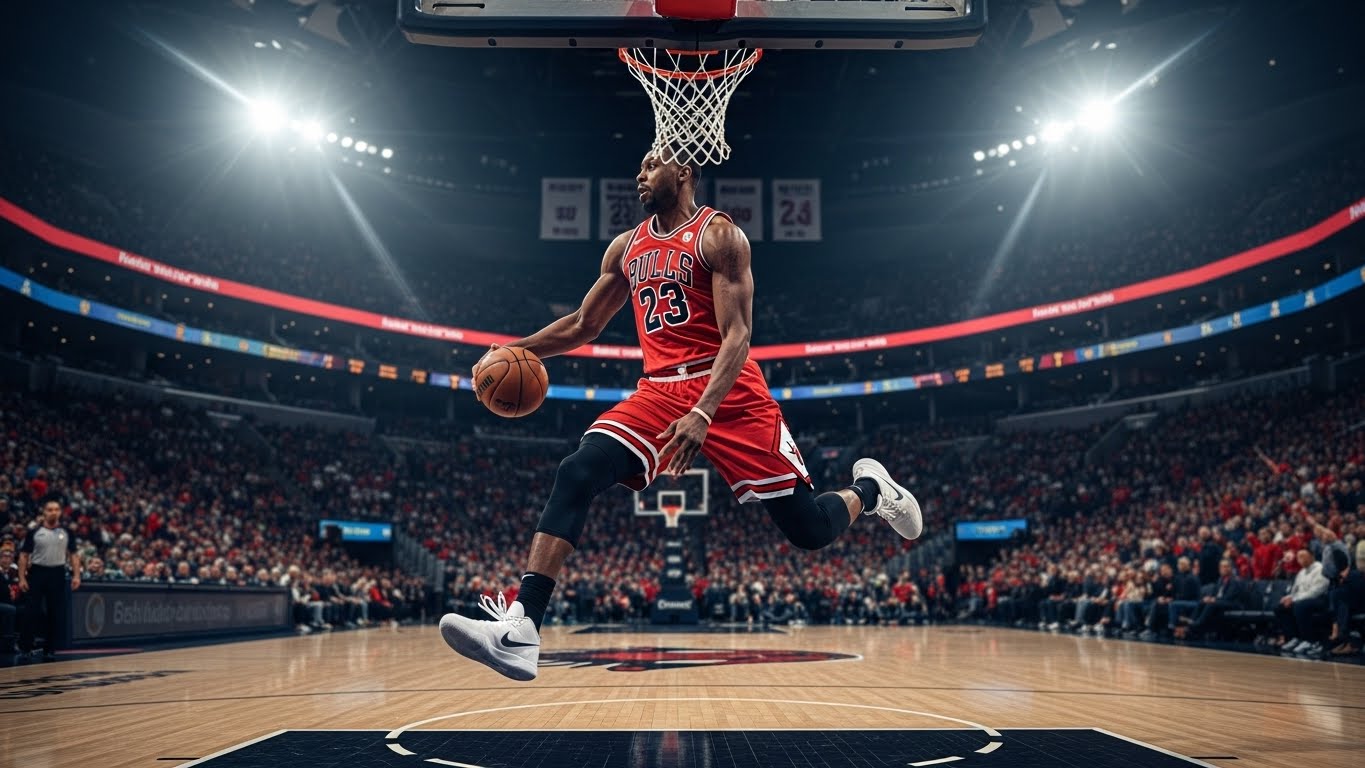
Beyond the Game: How Sports Shape Our Lives
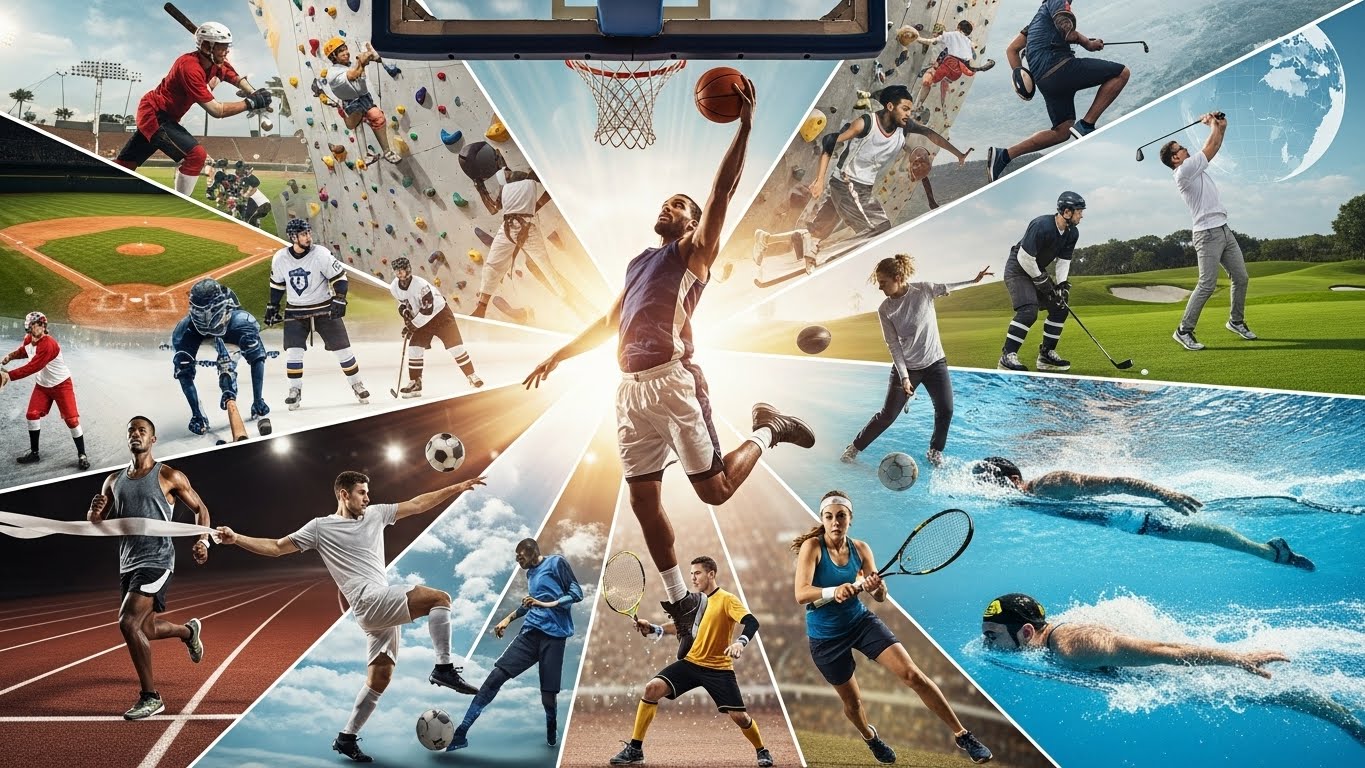
Sports are often viewed simply as games, competitions, or entertainment, but their impact stretches far beyond the field. Whether played professionally or casually, sports influence our physical health, mental well-being, social connections, and even cultural identity. The world of sports is diverse, encompassing traditional games, modern innovations, and global phenomena that unite people across continents. In this blog, we will explore the multifaceted role of sports in human life, highlighting their benefits, cultural significance, and how they continue to evolve in the 21st century.
The Physical Benefits of Sports
The most obvious impact of sports is on physical health. Engaging in sports, whether individually or in a team, promotes cardiovascular health, strengthens muscles, enhances flexibility, and improves overall endurance. Activities like running, swimming, and cycling are excellent for building stamina, while sports such as basketball, football, and tennis enhance agility, coordination, and reflexes.
Regular participation in sports also reduces the risk of chronic illnesses. Studies have shown that individuals who engage in consistent physical activity have lower rates of obesity, diabetes, heart disease, and certain types of cancer. The physical benefits extend to longevity as well, with athletes often enjoying healthier lives as they age. Even recreational sports like hiking or playing badminton with friends can contribute to long-term wellness.
Beyond the physical, sports cultivate discipline and resilience. Athletes learn to adhere to rigorous training schedules, maintain healthy diets, and practice self-control. These habits often translate into other areas of life, fostering a sense of responsibility and commitment.
Mental Health and Cognitive Benefits
While physical benefits are apparent, sports also provide profound mental health advantages. Participation in sports releases endorphins, which help reduce stress, anxiety, and depression. The sense of achievement after completing a challenging game or reaching a new personal best boosts self-esteem and confidence.
Moreover, sports stimulate cognitive function. Strategic games like chess, football, or basketball require problem-solving, critical thinking, and quick decision-making. Athletes constantly evaluate situations, anticipate opponents’ moves, and adjust tactics on the fly. These mental exercises enhance focus, memory, and analytical skills.
Sports also teach valuable life lessons about handling failure and setbacks. Losing a game is often a humbling experience, but it provides opportunities to learn, adapt, and improve. This mental resilience can carry over to personal and professional challenges, helping individuals navigate obstacles with patience and determination.
Social Connections Through Sports
One of the most powerful aspects of sports is its ability to bring people together. Team sports foster collaboration, communication, and trust among participants. Working toward a common goal encourages players to support each other, celebrate collective successes, and overcome challenges together.
Even individual sports often create strong social networks. Runners meet at marathons, swimmers join clubs, and martial artists train in dojos where mentorship and camaraderie thrive. Sports events, from local competitions to international tournaments, become hubs for community engagement, cultural exchange, and social interaction.
Sports also teach empathy and emotional intelligence. Athletes learn to understand teammates’ strengths and weaknesses, support them in moments of struggle, and celebrate their achievements. These interpersonal skills are invaluable beyond the playing field, enriching personal relationships and professional teamwork.
Cultural and Global Significance
Sports are deeply embedded in human culture and history. Ancient civilizations celebrated athletic prowess, from the Greek Olympic Games to Mayan ball courts, where sports were often intertwined with religion, ritual, and social hierarchy. In modern times, sports have become a global language, transcending national, linguistic, and cultural barriers.
Events like the Olympic Games, World Cup, and international cricket tournaments unite billions of people, fostering national pride and global camaraderie. Athletes often become cultural icons, inspiring millions with their skill, dedication, and sportsmanship. Beyond entertainment, sports reflect societal values, highlight issues like gender equality, and challenge stereotypes.
Different sports also carry unique cultural significance. Football (soccer) may dominate Europe and South America, while cricket is a cultural phenomenon in India, Pakistan, and Australia. Traditional sports, such as sumo wrestling in Japan or capoeira in Brazil, preserve heritage and celebrate identity. Through sports, societies can honor history while embracing modern innovation.
The Role of Technology in Modern Sports
Technology has transformed the way we play, watch, and analyze sports. Innovations like wearable fitness trackers, performance analytics software, and virtual reality training tools have enhanced both amateur and professional performance. Coaches now rely on data to strategize, prevent injuries, and optimize training regimens.
Broadcasting technology has also revolutionized fan engagement. Live streaming, high-definition cameras, and instant replays bring sports events to global audiences, creating shared experiences that transcend geographical boundaries. Social media platforms allow athletes to interact directly with fans, promoting sportsmanship and inspiring the next generation of athletes.
Technology has even led to new sports and competitions, including eSports, drone racing, and virtual athletics. These innovations demonstrate that sports are not static; they evolve with society, adapting to changing interests, technology, and cultural trends.
Youth Development Through Sports
Sports play a crucial role in the development of young people. Participation in athletics instills discipline, teamwork, leadership, and time management skills from an early age. It provides a constructive outlet for energy, reducing the likelihood of engagement in negative behaviors such as substance abuse or delinquency.
Youth sports programs also promote inclusivity and diversity. Children from different backgrounds come together, learning to respect differences, communicate effectively, and work toward common goals. Coaches and mentors serve as role models, fostering personal growth, confidence, and ethical behavior.
Furthermore, early exposure to sports can shape career aspirations. While not all young athletes become professionals, the experience teaches transferable skills such as perseverance, strategic thinking, and resilience. Even recreational participation leaves a lasting positive impact on character and lifestyle choices.
Sports and Economic Impact
Sports are not just socially and culturally significant; they also have substantial economic implications. Professional sports generate billions of dollars globally through ticket sales, merchandise, broadcasting rights, sponsorships, and endorsements. Cities hosting major events often see boosts in tourism, infrastructure development, and local business growth.
Moreover, the sports industry creates employment opportunities beyond athletes. Coaches, trainers, referees, sports journalists, physiotherapists, and marketing professionals all contribute to a vast ecosystem that supports communities and economies. Grassroots sports initiatives also drive local economies by engaging volunteers, promoting small businesses, and fostering civic pride.
Overcoming Challenges in Sports
Despite the many benefits, sports face challenges that require attention. Issues such as doping, corruption, and unethical practices threaten the integrity of competitions. Injuries, mental health struggles, and intense pressure can affect athletes’ well-being. Gender disparities, lack of access, and socio-economic barriers continue to limit participation in many regions.
Addressing these challenges requires a multifaceted approach. Promoting fair play, enforcing regulations, providing mental health support, and ensuring equitable access are critical steps. Sports organizations, governments, educators, and communities must collaborate to create environments where sports remain safe, inclusive, and inspiring.
The Future of Sports
The future of sports is a blend of tradition, innovation, and social consciousness. Emerging technologies, sustainability initiatives, and global connectivity will shape how we play and experience sports. Virtual and augmented reality may redefine fan engagement, while artificial intelligence could revolutionize training, strategy, and performance analysis.
At the same time, there is a growing emphasis on sports as a tool for social change. Initiatives promoting gender equality, disability inclusion, and community development highlight the transformative power of sports beyond competition. Athletes are increasingly using their platforms to advocate for social justice, health awareness, and environmental sustainability.
Ultimately, the essence of sports will remain the same: the pursuit of excellence, the joy of participation, and the thrill of connection. As society evolves, sports will continue to inspire, challenge, and unite people across generations and borders.
Conclusion: More Than Just a Game
Sports are far more than a form of entertainment or physical activity; they are a reflection of human potential, resilience, and creativity. They improve health, strengthen minds, foster relationships, preserve culture, and drive economic growth. They teach lessons of perseverance, teamwork, and integrity, leaving a lasting impact on individuals and society.
In an increasingly digital and fast-paced world, sports remind us of the importance of human connection, discipline, and joy. Whether played on a professional stage or in a neighborhood park, sports have the power to inspire, transform, and unite. By embracing their multifaceted nature, we can appreciate sports not just as games, but as a vital part of the human experience.