
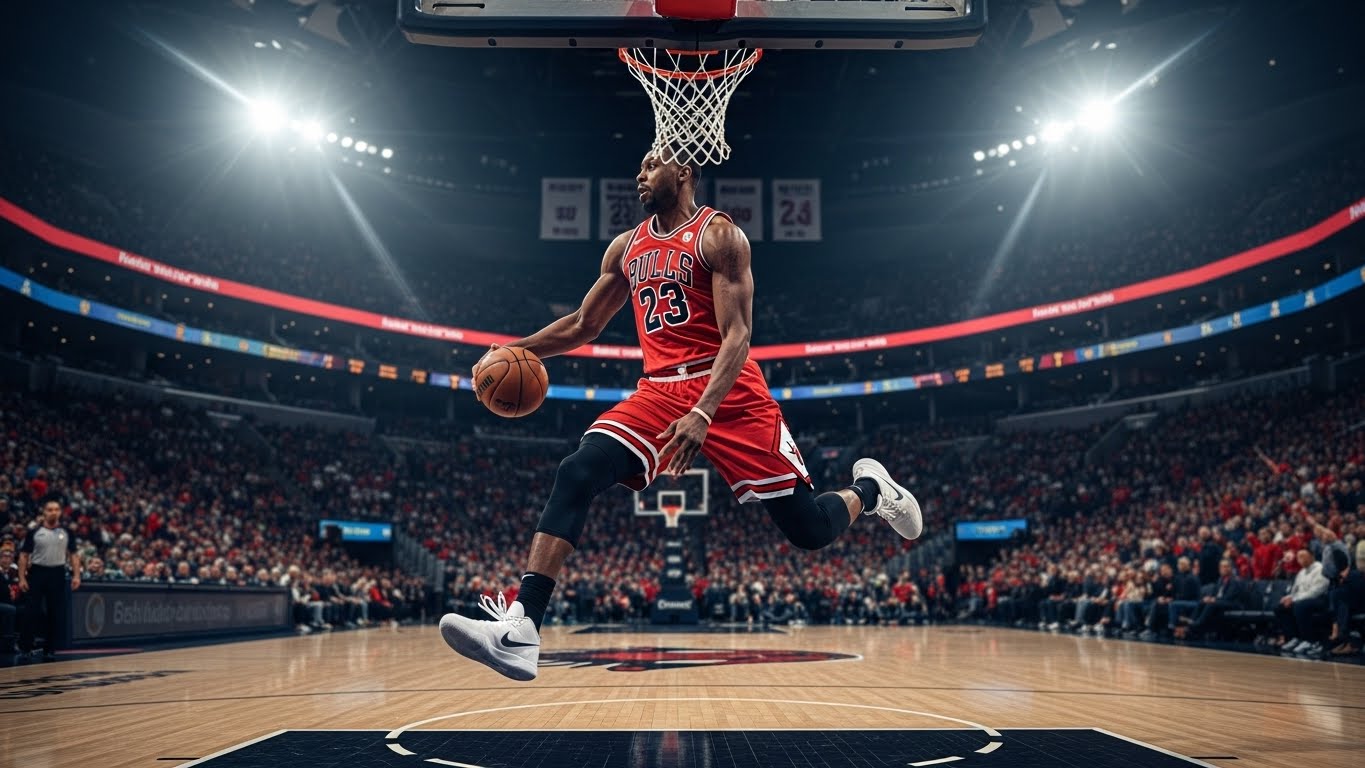
The Changing Landscape of Sports: From Traditional to Tech-Driven Excellence

Sports have always been an integral part of human culture. They serve as a means of entertainment, a way to bring communities together, and, for many, a source of personal inspiration. Over the centuries, the world of sports has undergone substantial changes, influenced by social, cultural, and technological factors. As we enter the 21st century, we are witnessing an even more profound transformation, largely driven by advancements in technology, shifting athlete training methods, and global cultural exchanges. This blog post delves into the evolving landscape of sports, exploring how technology, innovation, and globalization are reshaping the world of athletics in exciting and unpredictable ways.
Technology’s Impact on Sports: A New Era of Innovation
One of the most notable transformations in the world of sports in recent years has been the incorporation of advanced technologies. From the way games are played to how fans engage with their favorite sports, technology is revolutionizing the industry.
Wearable Tech and Performance Monitoring
Perhaps the most significant impact of technology on sports has been the rise of wearable devices and performance monitoring tools. Wearable technology such as heart rate monitors, smartwatches, and GPS tracking devices have allowed athletes to monitor their performance in real time. These devices provide crucial data on an athlete’s heart rate, oxygen levels, speed, distance, and even sleep patterns. This data is invaluable for coaches and trainers who can use it to tailor specific training plans to the needs of the athlete.
For instance, professional football players now wear sensors embedded in their gear that track their movements, helping coaches identify potential injuries before they become severe. In sports like running, cycling, and swimming, athletes use wearables to track their progress, set goals, and improve their performance with data-backed insights.
Video Analysis and Virtual Reality
Another significant technological advancement is the use of video analysis in sports. With high-definition cameras and sophisticated software, coaches and analysts can break down every aspect of a player’s technique or the dynamics of a team’s strategy. From soccer to basketball to tennis, video analysis allows coaches to scrutinize footage of games and practice sessions, highlighting areas of improvement and creating customized drills.
In addition to video analysis, virtual reality (VR) and augmented reality (AR) are becoming essential tools in both training and fan engagement. VR allows athletes to simulate game scenarios without physical exertion, improving decision-making and reaction times. For example, baseball pitchers can use VR to practice their pitching technique by facing virtual batters. Similarly, soccer players can use VR to practice penalty kicks or passing drills in a controlled virtual environment.
For fans, AR has transformed the way games are viewed. With apps and smart glasses, spectators can now access real-time statistics, replays, and even 3D renderings of live games. The integration of augmented reality has created a more immersive and engaging experience for fans who are no longer just passive observers but active participants in the sporting spectacle.
The Role of Data Analytics in Strategy and Performance
The role of data analytics in modern sports cannot be overstated. Professional teams now rely on detailed statistics and sophisticated algorithms to devise game strategies, evaluate player performance, and even predict future outcomes. Advanced statistical models have been used to identify trends, player efficiencies, and areas where the team can improve. In baseball, for example, the use of sabermetrics has completely changed the way teams evaluate players and make decisions on things like batting orders and pitching rotations.
The application of data analytics extends beyond the professional level. Amateur athletes and fitness enthusiasts are now using fitness apps to track their own progress and fine-tune their training regimens based on data from their workouts, diet, and recovery. These tools help them optimize performance and reduce the risk of injury by analyzing patterns in their movements and physical metrics.
Changing Athlete Training: From Physicality to Precision
The science of training athletes has come a long way, with major shifts in both the methods and philosophies surrounding athletic development. Gone are the days when athletes relied solely on brute force and hours of repetitive training. Now, sports training is about precision, efficiency, and injury prevention, with a greater focus on the overall well-being of the athlete.
The Importance of Sports Science
In modern sports, the integration of sports science has become essential. From biomechanics to nutrition to psychology, every aspect of an athlete’s performance is analyzed and optimized. Sports scientists work with athletes to enhance their strengths and improve weaknesses through personalized training programs. For example, biomechanical analysis helps athletes refine their technique by studying the physics of their movements and identifying areas where they can increase efficiency.
Nutrition has also become a cornerstone of athlete development. With a deeper understanding of how nutrition impacts athletic performance, athletes now follow meticulously crafted diets that not only fuel their bodies but also speed up recovery and reduce the risk of injury. For instance, many professional athletes adhere to strict nutritional regimens that balance macronutrients, vitamins, and supplements to meet the demands of their sport.
Mental Training and Psychological Support
Mental toughness has always been an essential trait for athletes, but the importance of psychological support has risen dramatically in recent years. Today, sports psychology is an integral part of training programs for athletes across all disciplines. High-level competition comes with immense pressure, and athletes need strategies to manage stress, improve focus, and build resilience.
Mental skills training, including visualization, mindfulness, and cognitive behavioral techniques, are being used to help athletes improve performance under pressure and cope with the challenges of competition. Sports psychologists are increasingly sought after by elite athletes to help them navigate the psychological demands of the game, maintain mental health, and develop strategies for peak performance. This shift towards mental wellness and cognitive preparation is one of the most significant changes in modern sports training.
Recovery Techniques and Longevity
Another significant area of change in athlete training is the focus on recovery and injury prevention. Gone are the days when athletes simply “toughened through” injuries. Today, professional athletes have access to cutting-edge recovery technologies, including cryotherapy (using cold temperatures to reduce inflammation), hydrotherapy (using water immersion for recovery), and massage therapy to promote muscle relaxation and healing.
The increasing emphasis on recovery is also a result of a better understanding of how the body responds to intense physical exertion. Athletes now follow structured rest periods to ensure that their bodies have the chance to repair and rebuild muscle tissue. The combination of advanced recovery techniques and a focus on injury prevention has contributed to the longer careers of many athletes across different sports.
Globalization and the Evolution of Sports Culture
Sports have always had a global reach, but the advent of globalization has made them more interconnected than ever before. The rise of digital media, international broadcasting, and social media platforms has made it easier for fans to engage with sports from around the world. Similarly, athletes from different countries are increasingly sharing their expertise and training techniques, resulting in an ever-growing exchange of knowledge and talent.
The Internationalization of Leagues and Competitions
Perhaps the most significant impact of globalization on sports has been the internationalization of leagues and competitions. The NBA in the United States, for example, has expanded its global footprint by actively recruiting international talent and holding games in countries like China and Mexico. Similarly, European football leagues such as the English Premier League have become global phenomena, attracting fans and players from all corners of the globe.
As a result, athletes from diverse cultural backgrounds are now competing at the highest levels in sports that were once confined to particular regions. This international exchange of talent has not only raised the level of competition but has also enriched the cultural diversity of sports, giving fans the opportunity to experience different playing styles and perspectives.
The Role of Social Media in Fan Engagement
Social media has revolutionized the way fans engage with sports. Athletes are now able to communicate directly with their fans, sharing their personal journeys, training routines, and game-day experiences. This direct interaction has created a more intimate relationship between athletes and their followers, with fans feeling more connected to their favorite players.
The rise of social media has also transformed the way sporting events are consumed. Fans can now follow live updates, behind-the-scenes footage, and interviews in real time. Additionally, platforms like YouTube and TikTok have given fans access to content that goes beyond the traditional game broadcast, providing highlights, analysis, and fan-created videos that enhance the overall sports experience.
The Globalization of Fanbases
With the rise of global leagues, international competitions, and social media, sports fanbases have become more diverse. People from different countries and cultures now support teams and athletes from all over the world. This has given rise to a new form of international fandom, where fans connect with each other regardless of geographical boundaries. The shared love of sports has created a universal language that transcends national and cultural divides.
Conclusion: The Future of Sports
As technology continues to advance, sports will undoubtedly evolve in ways we can only imagine today. Wearable devices, AI-driven coaching, and immersive fan experiences are just the beginning of what could be an even more dynamic future for the world of sports. Whether it’s through better athlete care, enhanced viewing experiences, or more connected global competitions, the sports industry is moving toward a more data-driven, inclusive, and immersive future.
The heart of sports will always remain the passion, competition, and human spirit that drives athletes to achieve greatness. But as technology and globalization reshape the way we play and watch, we will see an entirely new chapter unfold in the story of sports. The possibilities are endless, and as fans, athletes, and participants, we are all part of this exciting evolution.