
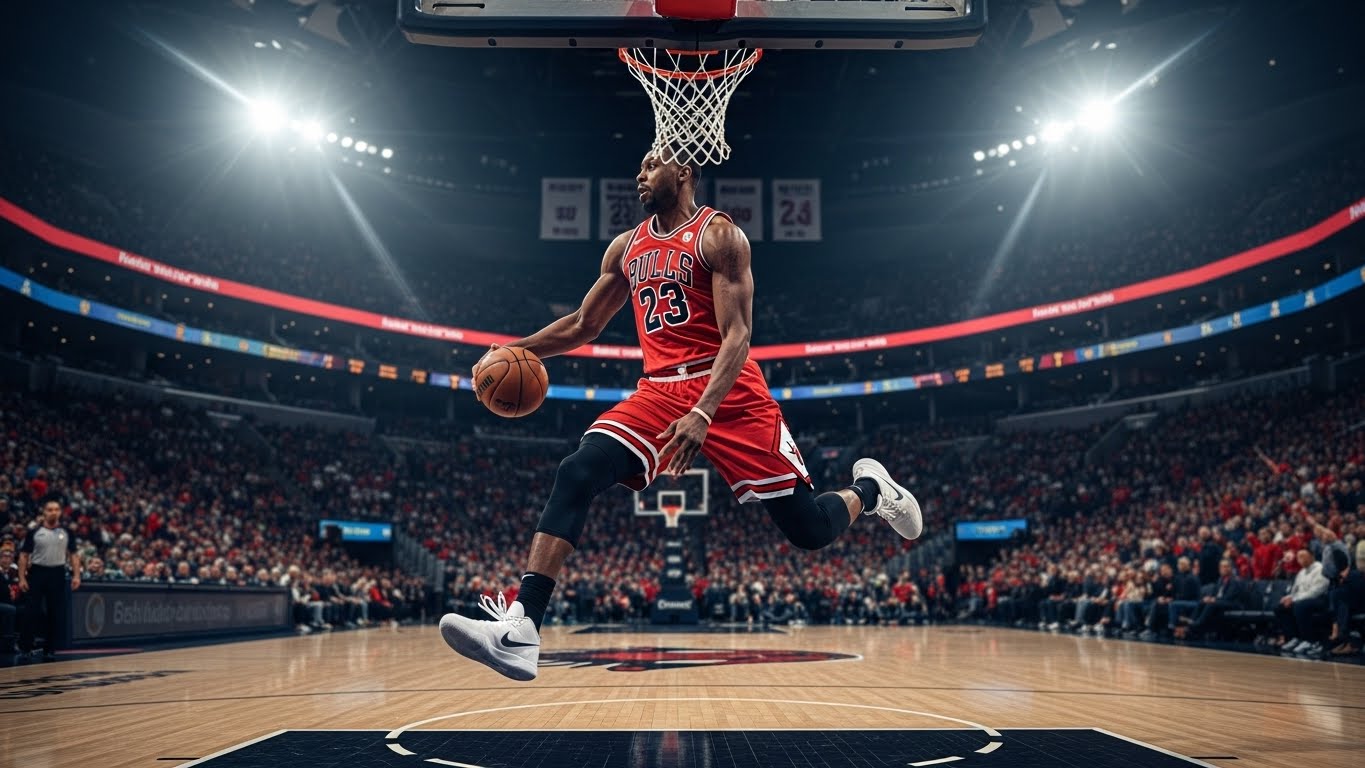
The Global Phenomenon of Sports: More Than Just Games

Sports have always been an integral part of human society, transcending time, culture, and geography. Whether it’s the thrill of a soccer match, the intensity of a cricket game, or the strategic precision of basketball, sports captivate the human spirit and provide a unique avenue for competition, entertainment, and community. The power of sports is not just in the competition itself but in its ability to bring people together, spark national pride, and even drive societal change.
In this blog post, we will explore the rich history of sports, their cultural significance, and their far-reaching impact on individuals and societies. We will also look at how the world of sports is evolving with new technologies, changing media landscapes, and the growing influence of social media.
The Origins of Sports: From Rituals to Recreation
Sports, in one form or another, have existed for thousands of years. Ancient civilizations, including the Egyptians, Greeks, and Romans, often incorporated physical activities into their religious rituals and cultural practices. The first recorded Olympic Games, held in ancient Greece around 776 BCE, set the foundation for organized sports as we know them today. These games were not only an opportunity for athletes to showcase their prowess but also a way for the Greek city-states to come together and celebrate their shared values of strength, discipline, and unity.
In many ancient cultures, physical prowess was highly valued, and sports often had a ritualistic component. For example, in Mesoamerica, the Mayans and Aztecs played a ball game known as “tlachtli,” which was both a sport and a religious ceremony. Similarly, the Chinese practiced martial arts like kung fu and tai chi as forms of physical and spiritual discipline, incorporating both sport and philosophy into their practice.
As civilizations advanced, so did the organization of sports. In medieval Europe, jousting tournaments were held as a form of entertainment for royalty and nobility. By the 19th century, organized competitive sports began to take shape in modern forms, largely influenced by the industrial revolution and the rise of national identities.
The Rise of Modern Sports: Codifying the Rules
The 19th century saw a surge in the formalization of sports. With the industrial revolution came the rise of urban centers, and people needed structured recreational activities to replace the physically demanding labor of the countryside. This period also marked the creation of the first official rules for several popular sports, transforming them from informal pastimes to highly competitive games.
In England, sports like football (soccer), rugby, and cricket were codified into formalized rules. The formation of the Football Association in 1863 laid the foundation for modern soccer, and rugby became a staple of British society through its structured competitions. Around the same time, the first modern Olympic Games were held in Athens in 1896, establishing an international framework for competitive sport that would grow exponentially over the following century.
Other sports like tennis, golf, and baseball also found their roots during this period. As these games became more organized, clubs and leagues were formed, and professional sports began to emerge as a viable career for many athletes. These developments turned sports from a recreational activity into a professional industry, with athletes, coaches, and administrators taking their roles seriously as part of a growing entertainment market.
The Impact of Sports on Society: More Than Just a Game
One of the most profound impacts of sports has been its ability to bring people together, irrespective of their backgrounds. Whether it’s fans gathering to support their teams or athletes competing on the world stage, sports have become a unifying force for individuals, communities, and even nations.
National Pride and Identity
Sports often play a significant role in fostering national pride. International sporting events like the Olympics, the FIFA World Cup, and the ICC Cricket World Cup have become opportunities for nations to showcase their strength, talent, and culture. When an athlete represents their country, they do more than just compete—they become symbols of national unity and pride. Countries with a deep passion for sports often channel that energy into their international relations, using sports as a diplomatic tool.
For example, the “Miracle on Ice” at the 1980 Winter Olympics, where the United States hockey team defeated the heavily favored Soviet Union, is still regarded as one of the most inspiring moments in sports history. It wasn’t just a victory for the team; it was a moment that resonated with the American public during the Cold War, symbolizing resilience and national strength.
Social Change Through Sports
Sports have also served as a platform for social change. The most notable example of this is perhaps the activism of athletes such as Muhammad Ali, Jackie Robinson, and Colin Kaepernick. These athletes used their platforms to challenge social injustices, promote equality, and inspire political movements. Robinson, for instance, broke the color barrier in Major League Baseball in 1947, paving the way for the civil rights movement in America. Ali, with his refusal to fight in the Vietnam War, became an icon of both resistance and racial pride.
Today, athletes continue to use their influence to advocate for causes ranging from racial equality to environmental sustainability, showing that sports can be a powerful medium for raising awareness and initiating change in society.
The Business of Sports: A Multi-Billion Dollar Industry
As sports have evolved into an entertainment powerhouse, they have also become a major industry. Professional leagues like the NFL, NBA, EPL, and MLB generate billions of dollars each year through broadcasting rights, sponsorships, ticket sales, and merchandise. The rise of global sports brands such as Nike, Adidas, and Under Armour has transformed sports into a lucrative market for both athletes and businesses.
The increasing commercialization of sports has changed the dynamics of competition. With money pouring into sports organizations, there has been a push to increase the global appeal of major leagues, making them more accessible to international audiences. Leagues like the NBA and EPL, once primarily localized to their home countries, have become global spectacles, attracting fans from every corner of the world.
This global growth has been powered by digital media, particularly social media and streaming platforms. Fans can now follow their favorite teams and athletes from anywhere in the world, creating a level of engagement that was previously impossible. The advent of streaming platforms like ESPN+, Netflix’s sports documentaries, and YouTube channels dedicated to sports highlights has further revolutionized how we consume sports content, making it available 24/7.
The Evolution of Sports in the Digital Age: New Frontiers
In the past two decades, technology has further reshaped the sports world. The introduction of data analytics, wearable technology, and virtual reality has changed how athletes train, play, and interact with fans.
Data Analytics and Performance
Athletes and coaches now rely on data analytics to optimize performance. Technologies like GPS trackers, heart rate monitors, and motion sensors allow teams to analyze an athlete’s physical condition and make data-driven decisions. For example, in soccer, clubs use data to track players’ movements, assess their fitness levels, and identify areas of improvement. This data-driven approach helps teams gain a competitive edge while reducing the risk of injury.
Wearable Technology
Wearable technology, such as smartwatches and fitness trackers, has empowered athletes to monitor their health and performance in real time. Beyond professional athletes, these devices have become popular among amateurs and fitness enthusiasts alike, enabling people to track their daily physical activity, sleep patterns, and overall health metrics.
Virtual Reality and Fan Engagement
Virtual reality (VR) is also beginning to shape the way fans experience sports. VR technology allows users to immerse themselves in live sports events from the comfort of their homes, offering a front-row experience without ever stepping into the stadium. VR can also be used in training, enabling athletes to simulate game scenarios and refine their skills in a controlled environment.
eSports: The Digital Revolution
Perhaps the most significant digital revolution in sports is the rise of eSports. Competitive gaming has grown exponentially in recent years, with massive tournaments and global fan bases. Games like League of Legends, Dota 2, and Fortnite now boast millions of viewers, with professional gamers earning significant salaries. eSports has turned gaming into a legitimate career, attracting sponsorships, broadcasting deals, and creating opportunities for players to reach fame and wealth on par with traditional athletes.
The Future of Sports: A Changing Landscape
The future of sports is undoubtedly bright, with the continued evolution of technology, media, and global culture. As new sports emerge, and traditional sports continue to adapt to modern times, the role of sports in society will remain as significant as ever.
Advancements in technology will allow for even more immersive experiences for both athletes and fans. Virtual reality, augmented reality, and AI-driven training programs will redefine how athletes compete and prepare. On the fan side, experiences will become more interactive, with fans having greater control over how they consume content and engage with their favorite teams and players.
Moreover, as sports continue to evolve, they will likely become even more inclusive and accessible. New opportunities for women and marginalized groups in professional sports are already on the rise, and sports organizations are continuing to push for gender equality, diversity, and inclusion.
Conclusion: The Universal Language of Sports
Sports have always been much more than just games. They are a universal language that transcends borders, races, and cultures. From ancient rituals to modern spectacles, sports have shaped societies and inspired individuals. As they continue to evolve in the digital age, sports will remain a powerful force for entertainment, community, and change. Whether you’re watching a local game or a global tournament, the excitement of sports is something that brings us together and reminds us of our shared humanity.