The Power of Sports: Shaping Lives, Communities, and Cultures

Introduction: The Universal Language of Sports
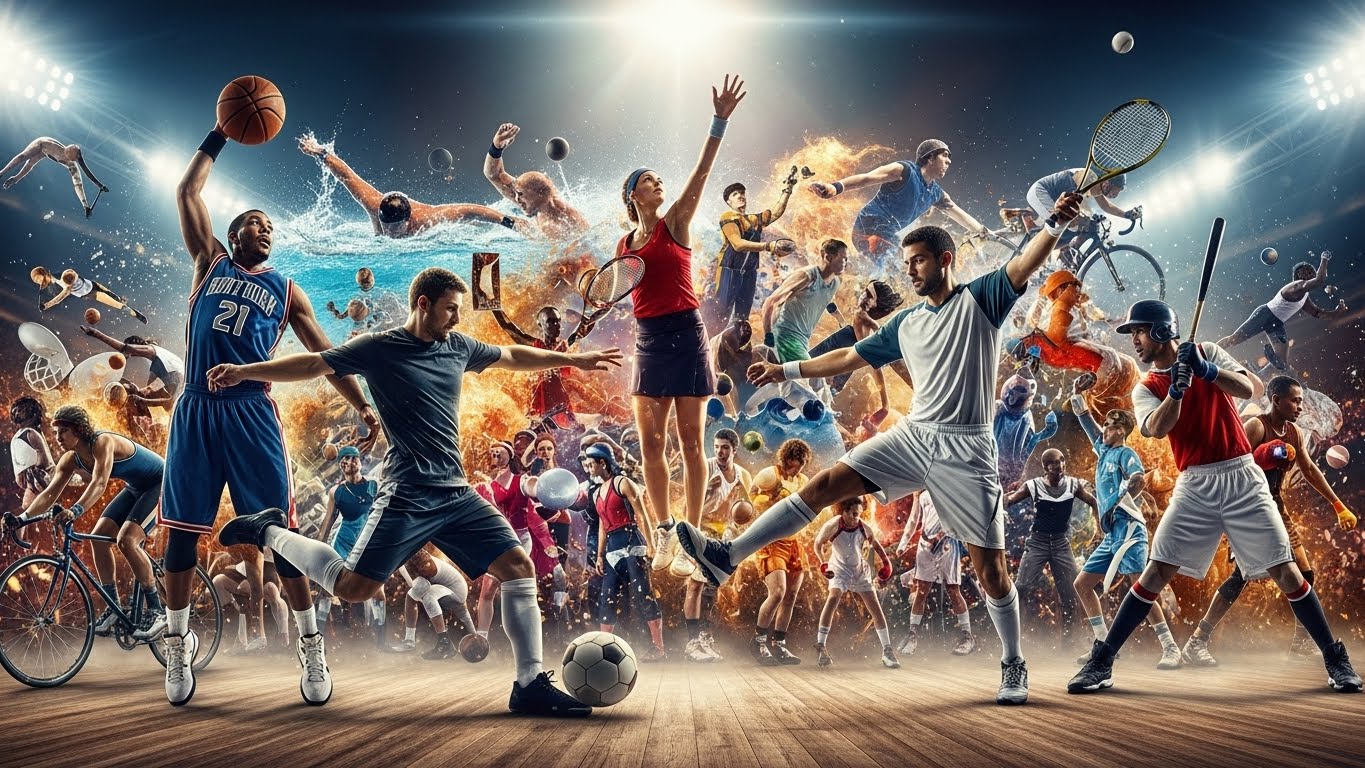
Sports have been an integral part of human history for centuries. From ancient Olympic games in Greece to local community leagues today, sports transcend language, culture, and geography. They are more than just physical activities—they are a reflection of society, a source of personal growth, and a powerful tool for community building.
In this blog, we will explore how sports influence individual lives, foster social connections, drive economic opportunities, and shape global culture. Sports are more than competition; they are a transformative force that continues to evolve with the modern world.
The Role of Sports in Personal Development
Participation in sports offers benefits far beyond physical fitness. At the core, sports teach discipline, perseverance, and goal-setting. Athletes learn how to manage time effectively, balance priorities, and develop a mindset focused on continuous improvement.
Team sports, such as basketball, soccer, and volleyball, encourage collaboration, communication, and empathy. Individuals learn to work toward a collective goal, understand the importance of leadership, and develop resilience in the face of setbacks. Even individual sports like tennis or swimming cultivate self-reliance, mental toughness, and the ability to thrive under pressure.
Sports also play a critical role in mental health. Regular participation can reduce stress, alleviate anxiety, and improve mood. The sense of achievement gained from mastering a skill or winning a match fosters self-confidence and a positive self-image. In essence, sports provide a framework for personal growth that extends well beyond the playing field.
Sports and Physical Health
The physical benefits of sports are widely recognized. Regular participation strengthens muscles, improves cardiovascular health, and enhances flexibility and coordination. Engaging in sports from a young age lays the foundation for lifelong fitness habits and reduces the risk of obesity, diabetes, and other chronic illnesses.
Beyond the obvious health benefits, sports also encourage healthy lifestyle choices. Athletes tend to develop better nutrition habits, understand the importance of rest and recovery, and are more likely to avoid harmful behaviors. Communities that promote sports participation often see lower rates of health issues among children and adults, highlighting the broader societal benefits of physical activity.
Sports as a Tool for Social Connection
One of the most powerful aspects of sports is their ability to bring people together. Whether on local fields, in gyms, or at massive stadiums, sports create opportunities for interaction and connection. Fans form communities around teams, sharing experiences, traditions, and emotions. These communities transcend social and cultural boundaries, uniting people in celebration and support.
Team sports, in particular, foster strong interpersonal relationships. Athletes learn to trust each other, communicate effectively, and navigate conflicts constructively. These skills are transferable to everyday life, strengthening friendships, family bonds, and professional relationships. Sports also serve as a platform for mentorship, where experienced players guide younger athletes, passing on both technical skills and life lessons.
Economic Impact of Sports
The influence of sports extends beyond health and social cohesion; it is also a significant economic driver. Major sporting events, such as international tournaments and championships, generate billions in revenue through ticket sales, broadcasting rights, sponsorships, and merchandise. Local economies benefit from sports tourism, as fans travel to watch games, stay in hotels, and support local businesses.
Professional sports also create career opportunities beyond playing. Coaches, trainers, referees, journalists, analysts, and event managers all contribute to a vast ecosystem. Additionally, the growth of sports-related industries, including sports technology, fitness equipment, and apparel, demonstrates the wide-reaching economic impact of athletic culture.
Sports and Education
Sports have long been intertwined with education. Schools and universities use athletics to teach essential life skills, foster school spirit, and encourage holistic development. Student-athletes balance rigorous training schedules with academic responsibilities, learning discipline, time management, and prioritization.
Collegiate and youth sports programs also provide scholarship opportunities for talented individuals, offering pathways to higher education that might otherwise be inaccessible. Furthermore, sports programs in schools promote inclusivity, teamwork, and resilience among students, preparing them for challenges both on and off the field.
Sports and Cultural Significance
Sports are deeply embedded in global culture. They reflect societal values, serve as a form of entertainment, and act as a stage for national pride. International competitions, such as the Olympics or World Cups, unite countries and showcase talent from across the globe. These events inspire millions, promote cultural exchange, and foster a sense of global community.
Additionally, sports influence art, music, literature, and media. Stories of athletes overcoming adversity resonate universally, becoming symbols of determination and human potential. Cultural rituals around sports, from chants in stadiums to celebratory parades, contribute to a shared sense of identity and tradition.
Inclusion and Diversity in Sports
Modern sports are increasingly embracing inclusion and diversity. Efforts to promote equal opportunities for women, differently-abled athletes, and marginalized communities are reshaping the landscape. Programs targeting underrepresented groups provide access, training, and resources that were historically unavailable, fostering a more equitable environment.
Inclusive sports initiatives also challenge stereotypes, raise awareness about social issues, and create role models who inspire future generations. By ensuring that sports are accessible to everyone, society benefits from a broader talent pool and a richer cultural experience.
Technology and the Evolution of Sports
Technology is transforming how sports are played, managed, and consumed. Advanced analytics, wearable devices, and virtual reality training tools enhance performance, reduce injuries, and optimize strategy. Video replay systems and real-time data tracking improve fairness and accountability during competitions.
In the digital age, fans experience sports in new ways. Live streaming, interactive apps, and social media allow enthusiasts to engage with teams and athletes globally. Technology has also enabled esports, expanding the definition of competitive sports and creating entirely new industries centered around gaming and digital competition.
The Challenges Facing Modern Sports
Despite its many benefits, sports face several challenges. Commercialization can sometimes overshadow the values of fair play, sportsmanship, and community. Pressure to win at all costs may lead to unethical practices, including doping, corruption, and exploitation of athletes.
Additionally, access to sports remains unequal in many parts of the world. Socioeconomic barriers, lack of infrastructure, and limited resources prevent millions from participating fully. Addressing these disparities is essential to ensure that sports remain a force for positive change rather than division.
The Future of Sports
The future of sports is poised to be dynamic, inclusive, and technologically advanced. Emerging trends, such as virtual competitions, sustainability-focused stadiums, and global fan engagement platforms, are shaping a new era. Sports will continue to evolve in response to societal changes, reflecting cultural priorities and technological advancements.
At its core, the essence of sports will remain the same: a celebration of human potential, a test of skill and determination, and a shared experience that connects individuals and communities worldwide.
Conclusion: The Enduring Impact of Sports
Sports are far more than games or competitions; they are a fundamental part of human life. They teach valuable life lessons, promote health, build social bonds, drive economic growth, and inspire cultural expression. Whether through personal participation or as a spectator, sports enrich lives in countless ways.
By recognizing the profound influence of sports, society can continue to harness their power to educate, unite, and inspire. As long as people seek challenge, camaraderie, and excellence, sports will remain a timeless and transformative force that shapes our world for generations to come.