
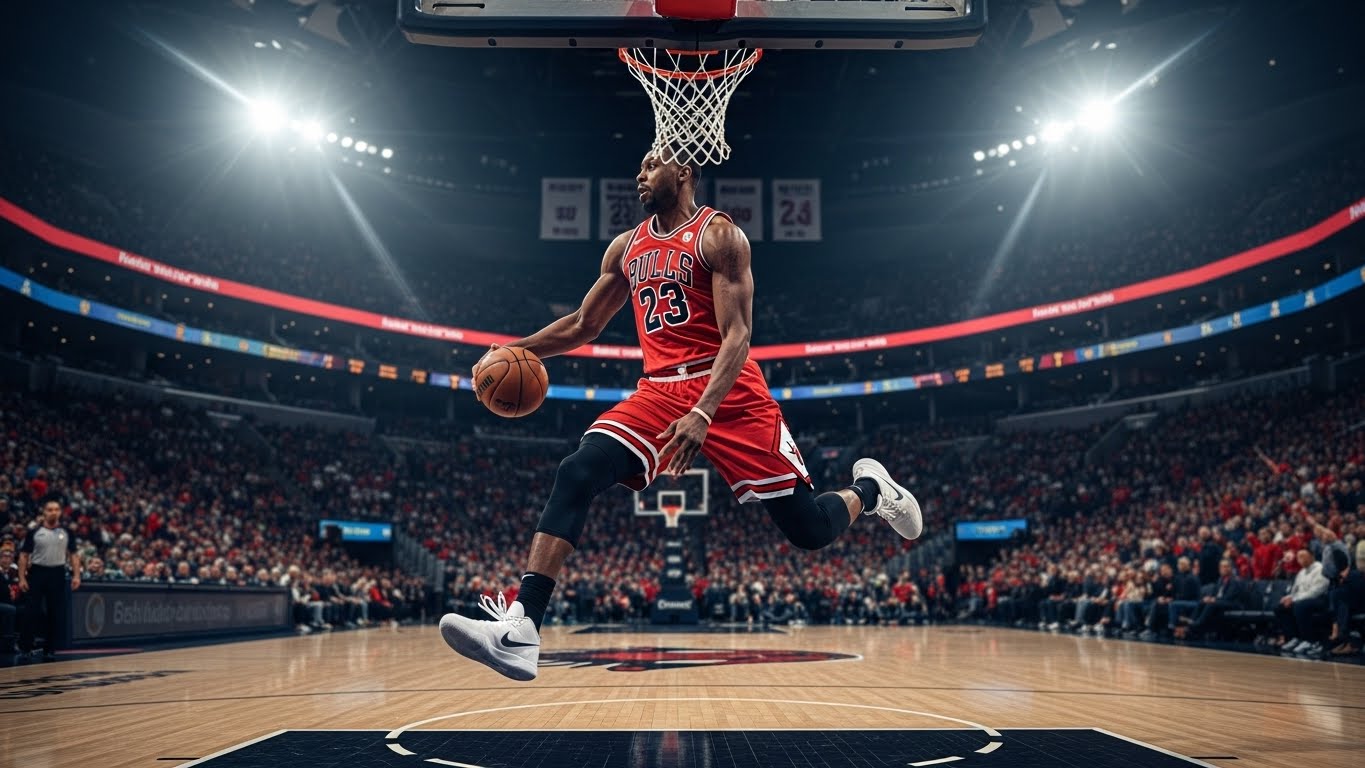
The Power of Sports: Uniting the World, Inspiring Change, and Shaping Society
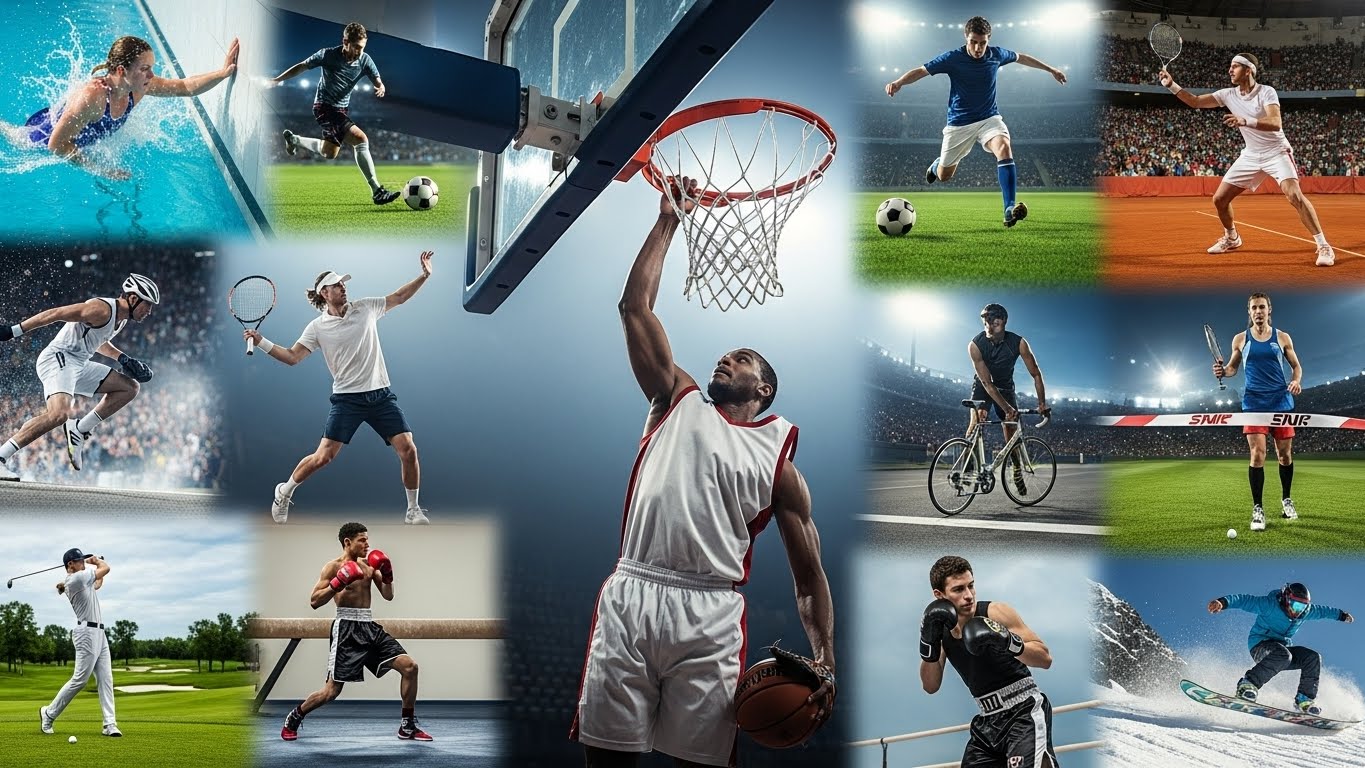
Sports have always played an essential role in human culture. Whether it’s the thrill of competition, the unity of teamwork, or the joy of physical activity, sports are woven into the fabric of societies around the globe. From the ancient Olympic Games to modern-day events like the FIFA World Cup or the NBA Finals, sports have evolved from simple contests into grand spectacles that captivate millions of people worldwide. Beyond entertainment, sports carry profound societal, cultural, and economic significance. In this blog post, we will explore how sports impact not just athletes but communities, nations, and the world at large.
The Historical Roots of Sports: A Legacy of Tradition
The origins of organized sports can be traced back thousands of years. Early civilizations engaged in physical competitions for both recreational and ritualistic purposes. The Ancient Greeks, for example, celebrated athletic prowess through the Olympic Games, which began in 776 BC and became a symbol of unity and prestige. Similarly, ancient Egyptian, Chinese, and Mesoamerican cultures had their own forms of athletic contests that held both cultural and religious importance.
Sports in these early days were often a reflection of the societies in which they were practiced. The Greeks valued individual excellence, exemplified by the Olympic Games, while Roman gladiatorial contests highlighted the Roman appreciation for strength and spectacle. These early competitions were not just about entertainment—they were demonstrations of human strength, discipline, and skill. The connection between sport and cultural identity was thus established early on and has only grown stronger over time.
As time progressed, sports became more organized and formalized. In the Middle Ages, for instance, jousting tournaments were held to display the skills of knights, and various forms of ball games were played in towns and villages. It was only in the 19th century, however, with the industrial revolution and the rise of modernity, that organized sports as we know them today began to emerge. This period saw the establishment of key institutions like the English Football Association, the birth of the modern Olympic Games, and the professionalization of sports leagues around the world.
The Global Phenomenon: Sports as a Universal Language
Today, sports are not just a pastime but a global industry that transcends geographical, cultural, and social boundaries. The appeal of sports lies in its ability to unite people across the world, providing a common ground where rivalries and differences can be set aside in the name of competition and mutual respect. Whether it’s watching the World Cup in a crowded pub in Buenos Aires or following the NBA Finals in the streets of Shanghai, sports have an unparalleled ability to connect people from different walks of life.
The FIFA World Cup, for example, stands as one of the most widely viewed events in human history, drawing in billions of viewers every four years. Football (soccer) has become more than just a sport; it is a powerful tool for fostering a sense of national pride, identity, and community. The same can be said for other global sports events like the Summer and Winter Olympics, the Rugby World Cup, and the Commonwealth Games, all of which bring together nations from around the world in friendly competition.
In addition to being a unifying force, sports also offer a platform for individuals to rise above their circumstances and achieve greatness. Athletes from disadvantaged backgrounds often become global icons, inspiring millions with their resilience, talent, and determination. Take, for instance, the story of Brazilian footballer Pelé or Jamaican sprinter Usain Bolt. Both athletes came from humble beginnings but rose to international fame, demonstrating that sports can provide a pathway to social mobility and recognition.
The Cultural Significance of Sports: More Than Just Games
Sports have always had a deep cultural impact, influencing everything from fashion to language to societal norms. The influence of sports extends far beyond the playing field. The rise of sports heroes has given birth to a unique celebrity culture, with athletes becoming some of the most recognizable figures in the world. Iconic athletes like Muhammad Ali, Michael Jordan, Serena Williams, and Cristiano Ronaldo have transcended their respective sports to become global ambassadors for excellence, discipline, and perseverance.
In addition to individual athletes, sports teams also play an important cultural role. Cities and countries rally behind their teams, and these teams become emblematic of a community’s identity. Think of the passionate following of football clubs like FC Barcelona or Manchester United, the intense rivalries in cricket between India and Pakistan, or the overwhelming fan bases of NBA teams such as the Los Angeles Lakers or Boston Celtics. These teams not only entertain; they give people a sense of belonging, a shared identity that strengthens community bonds.
Sports can also serve as a mirror of societal change. Throughout history, athletes have used their platforms to address social and political issues. One of the most famous examples is the protest by American sprinters Tommie Smith and John Carlos at the 1968 Mexico City Olympics, where they raised their fists in a Black Power salute to protest racial inequality in the United States. More recently, athletes like Colin Kaepernick have used their visibility to advocate for racial justice and police reform. In this sense, sports provide an important platform for raising awareness about pressing social issues and promoting change.
The Economic Impact of Sports: A Multibillion-Dollar Industry
The economic influence of sports is enormous. Professional sports leagues and events generate billions of dollars in revenue through ticket sales, broadcasting rights, merchandise, and sponsorships. According to reports, the global sports industry is worth over $600 billion, with the majority of the revenue coming from major leagues in football, basketball, baseball, and tennis, among others. These leagues provide employment to thousands of people, from players and coaches to support staff, broadcasters, and marketers.
Major sporting events, such as the Olympics and the FIFA World Cup, have become major economic drivers for host cities and countries. For example, the 2016 Summer Olympics in Rio de Janeiro generated an estimated $2.8 billion in revenue for the city, though it also incurred significant costs. The legacy of these events often includes improved infrastructure, tourism, and international recognition, though the economic impacts can vary depending on the success of the event and the management of resources.
Sports also play a crucial role in the broader economy. For instance, the sports apparel industry, which includes brands like Nike, Adidas, and Under Armour, generates significant economic activity. The sponsorship deals between brands and athletes have become a major source of income for many sports stars. Athletes often earn more from endorsements than from their salaries, with deals signed with companies ranging from luxury fashion brands to tech giants.
The Mental and Physical Benefits of Sports Participation
Beyond the professional realm, sports play an essential role in promoting physical and mental well-being. For individuals, engaging in sports offers a wide range of benefits. Regular physical activity improves cardiovascular health, strengthens muscles and bones, and boosts the immune system. Whether it’s playing a sport competitively or recreationally, staying active through sports helps to combat the rising global issues of obesity, heart disease, and mental health disorders.
Mental health benefits from sports are just as important. Exercise, including participation in sports, has been shown to reduce anxiety, depression, and stress. The sense of accomplishment that comes from achieving a personal best or contributing to a team victory fosters self-esteem and confidence. Additionally, the social aspect of sports—whether it’s playing in a local league or cheering on a team—helps to build connections and alleviate feelings of isolation, which can be a significant issue in today’s increasingly disconnected world.
Moreover, sports can teach valuable life skills such as teamwork, leadership, discipline, and time management. Whether it’s learning to work together to win a match or facing adversity after a loss, sports provide valuable lessons that can be applied to all areas of life. For young people, participation in sports can be an important part of their development, helping them to build character, resilience, and a sense of responsibility.
The Future of Sports: Technology, Inclusivity, and Sustainability
As we look to the future, the landscape of sports will undoubtedly continue to evolve. Technology will play an increasingly important role, from virtual and augmented reality (VR and AR) enhancing the spectator experience to advancements in sports science that improve training and performance. Innovations like wearable fitness trackers and data analytics are already transforming the way athletes train and compete, allowing for more personalized and effective regimens.
Inclusivity will also become a more prominent theme in the coming years. There has been a growing emphasis on making sports accessible to people of all backgrounds, abilities, and genders. For instance, women’s sports have seen a significant rise in visibility and popularity, with organizations like the Women’s National Basketball Association (WNBA) and women’s football leagues growing in stature. Additionally, there is a greater focus on adaptive sports, allowing people with disabilities to participate in athletic competitions at all levels.
Sustainability is another key area for the future of sports. The environmental impact of major sports events, stadiums, and merchandise production is becoming more apparent, and the industry is responding with eco-friendly initiatives. From reducing carbon footprints to promoting sustainable fashion in sports apparel, there is growing momentum toward ensuring that sports contribute positively to the planet.
Conclusion: The Enduring Influence of Sports
Sports are far more than just games. They are a powerful force that unites people, shapes cultures, drives economies, and promotes personal well-being. From the historical roots of physical competition to the global spectacle of modern-day events, sports have always been a reflection of society’s values, aspirations, and struggles. As we look to the future, the continued evolution of sports will undoubtedly bring new challenges and opportunities, but one thing remains certain: the power of sports to inspire, unite, and transform will endure for generations to come. Whether through competition, camaraderie, or social change, sports will continue to hold a special place in the hearts of millions around the world.