The Spirit of Sport: How Athletics Shape Our World
Introduction: The Universal Language of Sport
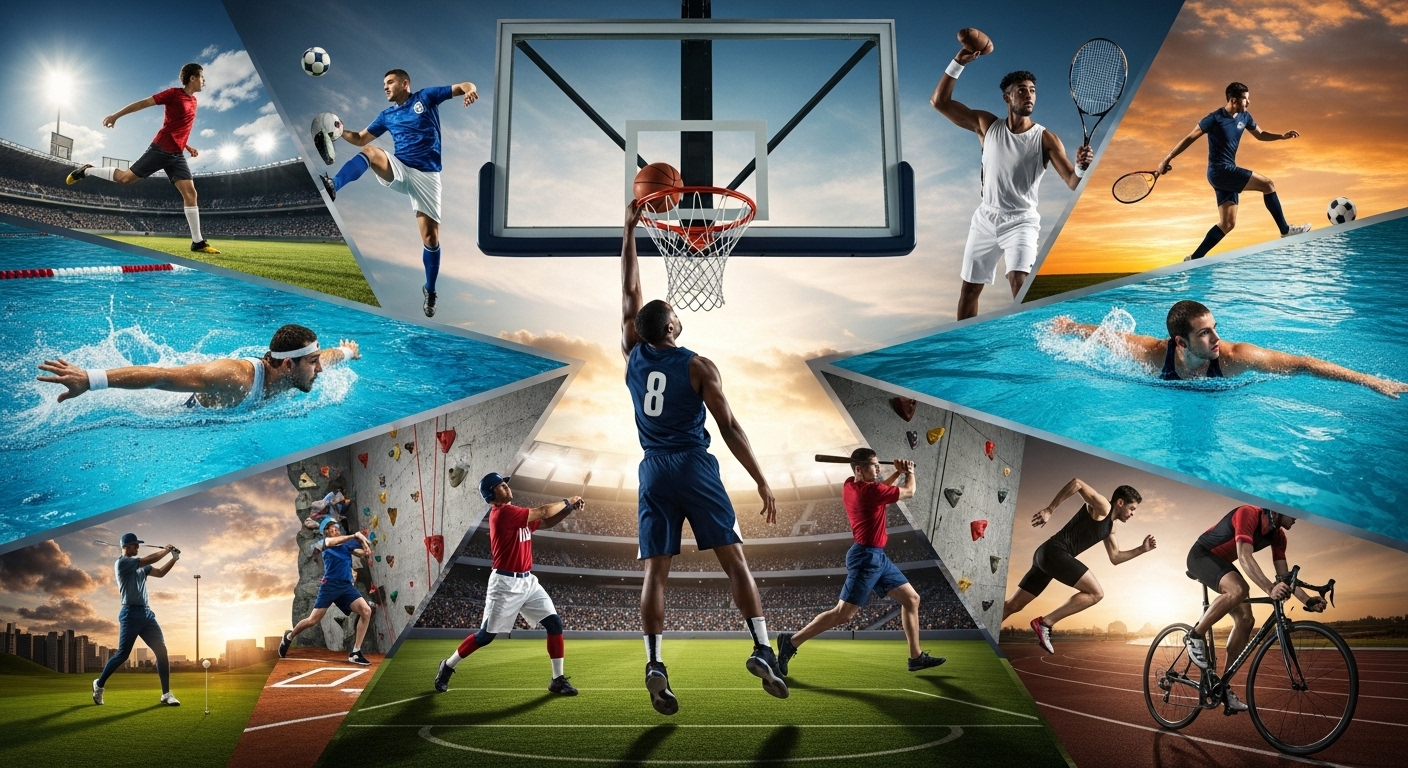
Sport has been an integral part of human civilization for centuries, transcending culture, language, and geography. It is more than a form of entertainment—it is a reflection of society, a medium for personal growth, and a source of communal pride. From local neighborhood games to international competitions like the Olympics and the World Cup, sports connect people, inspire excellence, and shape identities. This blog explores the multifaceted role of sport in our lives, examining its history, cultural significance, and impact on individuals and communities.
The Origins of Sport: A Historical Perspective
The history of sport is as old as civilization itself. Early human societies engaged in physical contests to train for survival, build strength, and resolve conflicts. Ancient civilizations, such as the Greeks and Romans, formalized sports into structured competitions. The ancient Olympic Games, dating back to 776 BCE, showcased athletic excellence and honored human achievement.
In the medieval period, tournaments and jousts emerged as displays of skill and bravery. Indigenous communities around the world also developed unique sports tied to cultural traditions, from lacrosse in North America to sepak takraw in Southeast Asia. These historical foundations demonstrate that sport has always served multiple purposes: entertainment, social cohesion, and the celebration of human potential.
The Social and Cultural Impact of Sport
Sport has the power to unite communities and bridge social divides. It provides a shared language where differences in nationality, race, and religion become secondary to collective passion and excitement. Fans gather in stadiums, watch games on television, or follow events online, creating a sense of belonging and community.
Sports also serve as a platform for cultural expression. National teams, traditional games, and regional tournaments reflect cultural identities and pride. Athletes often become symbols of national achievement, inspiring citizens and fostering unity. Beyond entertainment, sports offer a space where social values, teamwork, and resilience are celebrated and transmitted to future generations.
Physical and Mental Benefits of Sport
Engaging in sports provides profound physical and mental benefits. Regular participation enhances cardiovascular health, strength, endurance, and coordination. It reduces the risk of chronic diseases and encourages lifelong healthy habits. Beyond physical fitness, sports contribute to mental well-being by reducing stress, improving mood, and building confidence.
Team sports, in particular, teach collaboration, communication, and leadership. Individual sports foster self-discipline, focus, and perseverance. The mental challenges inherent in competitive play encourage problem-solving, resilience in the face of adversity, and goal-setting skills. This combination of physical and mental benefits demonstrates why sports are essential to holistic human development.
The Evolution of Modern Sports
Modern sports have evolved significantly, driven by advances in technology, globalization, and societal changes. Rules have been standardized, international competitions established, and professional leagues developed. Sports that were once regional or niche have become global phenomena.
Technology has transformed both participation and spectating. Video replay, analytics, and wearable technology enhance performance, while broadcast innovations and digital platforms allow fans worldwide to experience games in real-time. Modern sports blend tradition with innovation, preserving their cultural significance while adapting to the expectations of contemporary audiences.
Iconic Sports and Their Global Influence
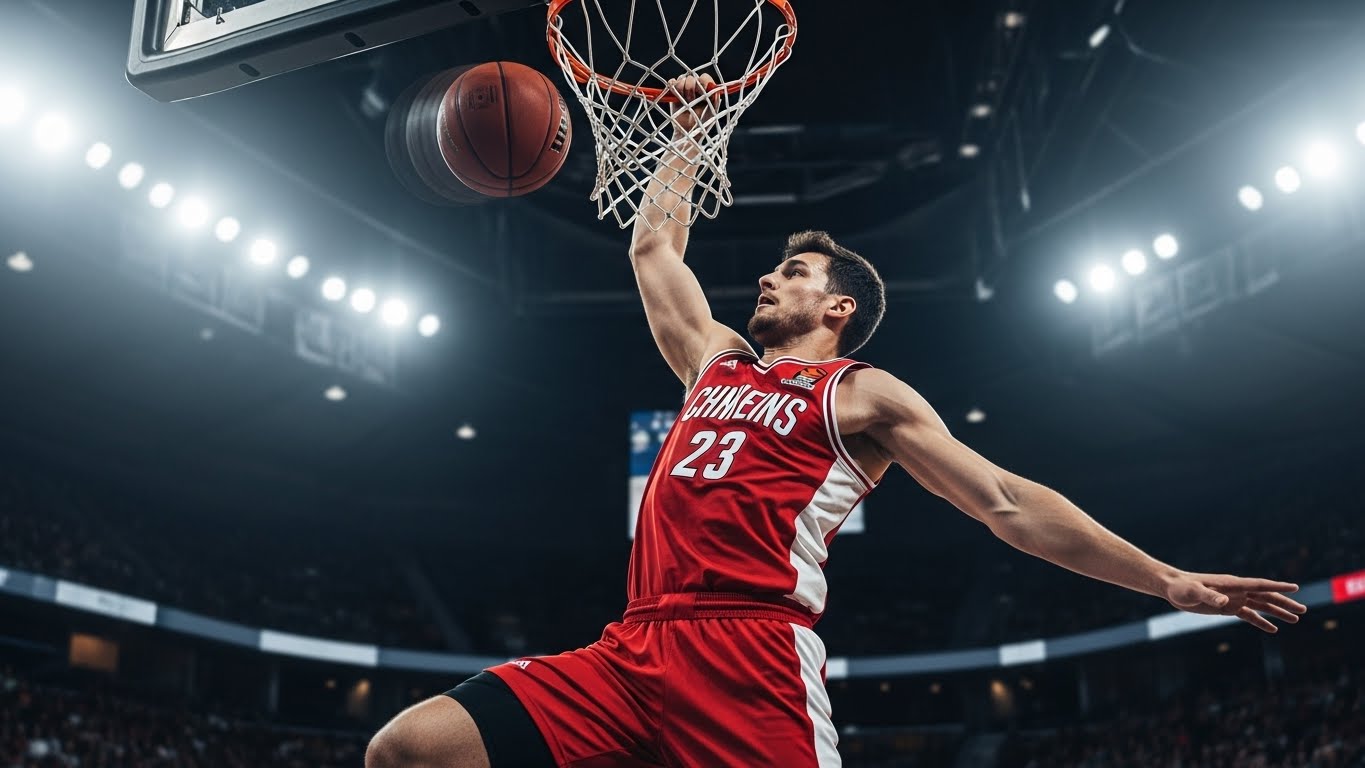
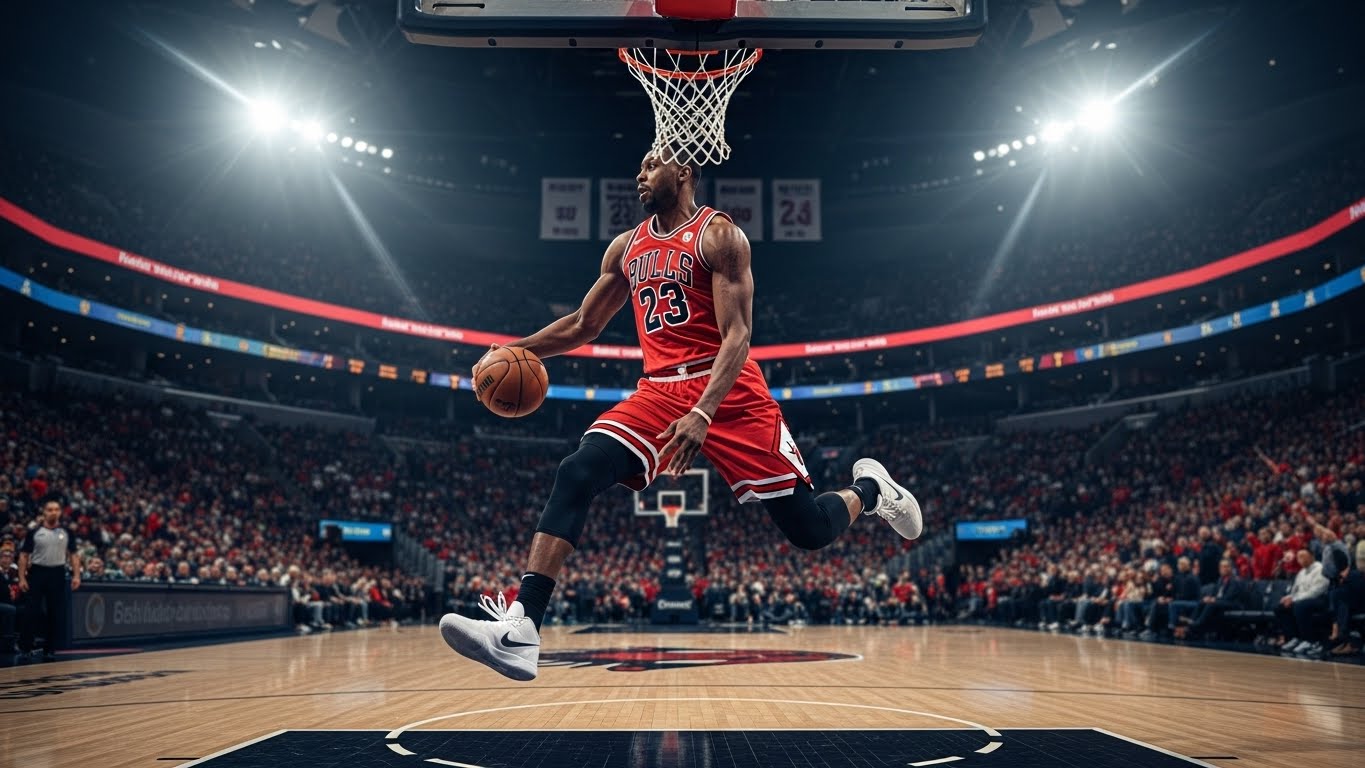
Certain sports have achieved global recognition, influencing culture, entertainment, and commerce. Football (soccer) stands as the world’s most popular sport, uniting billions of fans across continents. Cricket dominates regions like South Asia and Australia, showcasing regional pride and community involvement. Basketball and tennis have transcended national boundaries, producing international stars who inspire millions.
Athletes in these sports serve as role models, embodying values such as perseverance, fair play, and determination. Major tournaments, such as the FIFA World Cup, the Olympics, and Wimbledon, captivate global audiences, fostering cross-cultural connections and showcasing human excellence on a grand stage.
The Economic Impact of Sport
Sports are a major economic driver, generating revenue through ticket sales, broadcasting rights, sponsorships, and merchandising. Professional leagues, clubs, and tournaments provide employment for athletes, coaches, referees, medical staff, and administrative personnel. Local economies also benefit from sports-related tourism, stadium construction, and event hosting.
Sports influence industries beyond the field. Media companies, fashion brands, and technology firms invest in sports for marketing and engagement opportunities. The commercialization of sport highlights its broad impact, demonstrating that it is not only a cultural and social phenomenon but also a significant economic force.
Sport as a Tool for Education and Personal Development
Sports serve as a valuable educational tool, teaching life skills that extend beyond competition. Young athletes learn discipline, time management, teamwork, and conflict resolution. Sports programs in schools and communities provide structured environments where children can develop character, resilience, and a sense of responsibility.
Participation in sports also fosters leadership qualities and encourages ethical decision-making. Learning to cope with wins and losses, respecting rules, and supporting teammates instill values that benefit individuals in professional and personal contexts. Sport is thus an educational platform, shaping not only athletic talent but also human character.
Inclusivity and Diversity in Sport
One of the defining features of modern sport is its inclusivity. Efforts to expand participation across gender, age, ability, and socioeconomic status have grown significantly. Women’s sports, para-athletics, and adaptive programs provide opportunities for everyone to engage in physical activity and competition.
Diversity enriches sports by introducing new perspectives, styles, and talents. Inclusive participation encourages social cohesion and challenges stereotypes, demonstrating that sport can be a powerful agent for social change. Celebrating diversity ensures that sports remain relevant and accessible to future generations.
Technology and Innovation in Sports
Advances in technology have transformed sports performance, training, and viewing experiences. Wearable devices, performance analytics, and biomechanical studies help athletes optimize physical conditioning and prevent injuries. Video replay, goal-line technology, and refereeing systems improve fairness and accuracy in competitions.
For fans, technology has revolutionized engagement. Digital streaming, virtual reality experiences, and interactive apps allow spectators to experience games from anywhere in the world. Social media platforms provide opportunities for fan interaction, community building, and direct communication with athletes and teams. These innovations enhance the experience of sport, both on and off the field.
Sport and Global Diplomacy
Sport plays a unique role in diplomacy and international relations. Events like the Olympics, Commonwealth Games, and World Cups foster goodwill between nations, transcending political and cultural differences. Diplomatic initiatives often leverage sport as a platform for dialogue, cultural exchange, and conflict resolution.
Athletes themselves can become ambassadors of peace, tolerance, and cooperation. The universal appeal of sport provides common ground where nations can engage, celebrate, and collaborate, highlighting its potential as a tool for global unity and understanding.
Challenges Facing Modern Sport
Despite its benefits, modern sport faces challenges. Commercialization and excessive media influence can sometimes overshadow athletic integrity. Issues such as doping, corruption, and unethical behavior threaten public trust. Accessibility remains a concern, as not all individuals have equal opportunities to participate in organized sports.
Addressing these challenges requires strong governance, ethical leadership, and inclusive policies. Maintaining transparency, fairness, and accessibility ensures that sports continue to inspire and unite people rather than dividing or excluding them.
The Future of Sport: Sustainability and Innovation
The future of sport will likely focus on sustainability, inclusivity, and technological innovation. Eco-friendly stadiums, reduced carbon footprints for international competitions, and environmentally responsible practices will shape how events are conducted. Technological advances will enhance athlete performance, fan engagement, and safety measures.
Emerging sports and new formats, such as esports integration and hybrid competitions, will diversify the landscape. The growing emphasis on mental health, wellness, and holistic development will redefine athletic success. Sport’s ability to adapt ensures it will remain a central component of human culture for generations to come.
Conclusion: The Enduring Power of Sport
Sport is more than physical activity—it is a reflection of human ambition, resilience, and creativity. It brings communities together, teaches life skills, drives economic growth, and inspires cultural pride. From grassroots initiatives to professional leagues, the influence of sport is profound and far-reaching.
As society evolves, sports will continue to adapt, embracing innovation, inclusivity, and global collaboration. The spirit of sport lies in its power to unite people, challenge boundaries, and celebrate human potential. In a rapidly changing world, sport remains a timeless source of inspiration, joy, and shared experience, proving that its value extends far beyond the final score.