
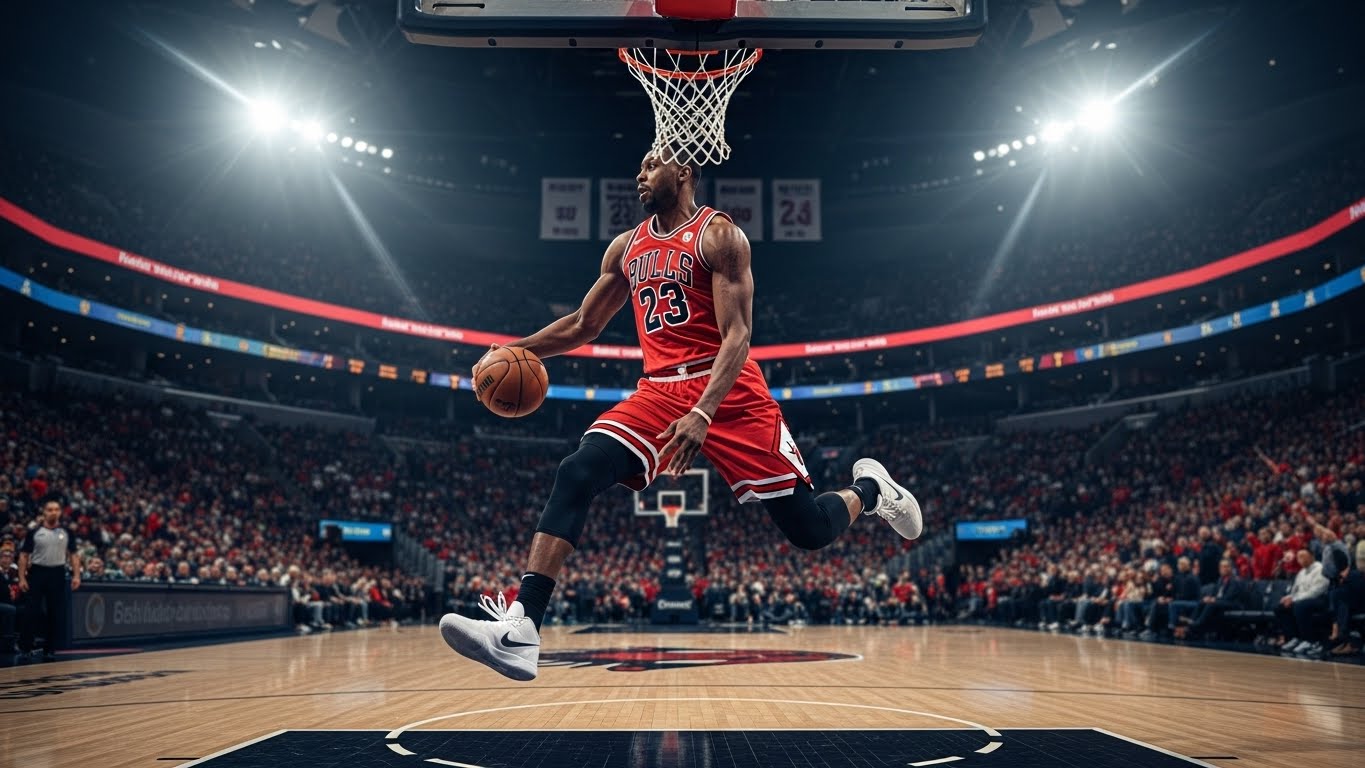
Beyond the Game: How Sports Shape Lives and Cultures
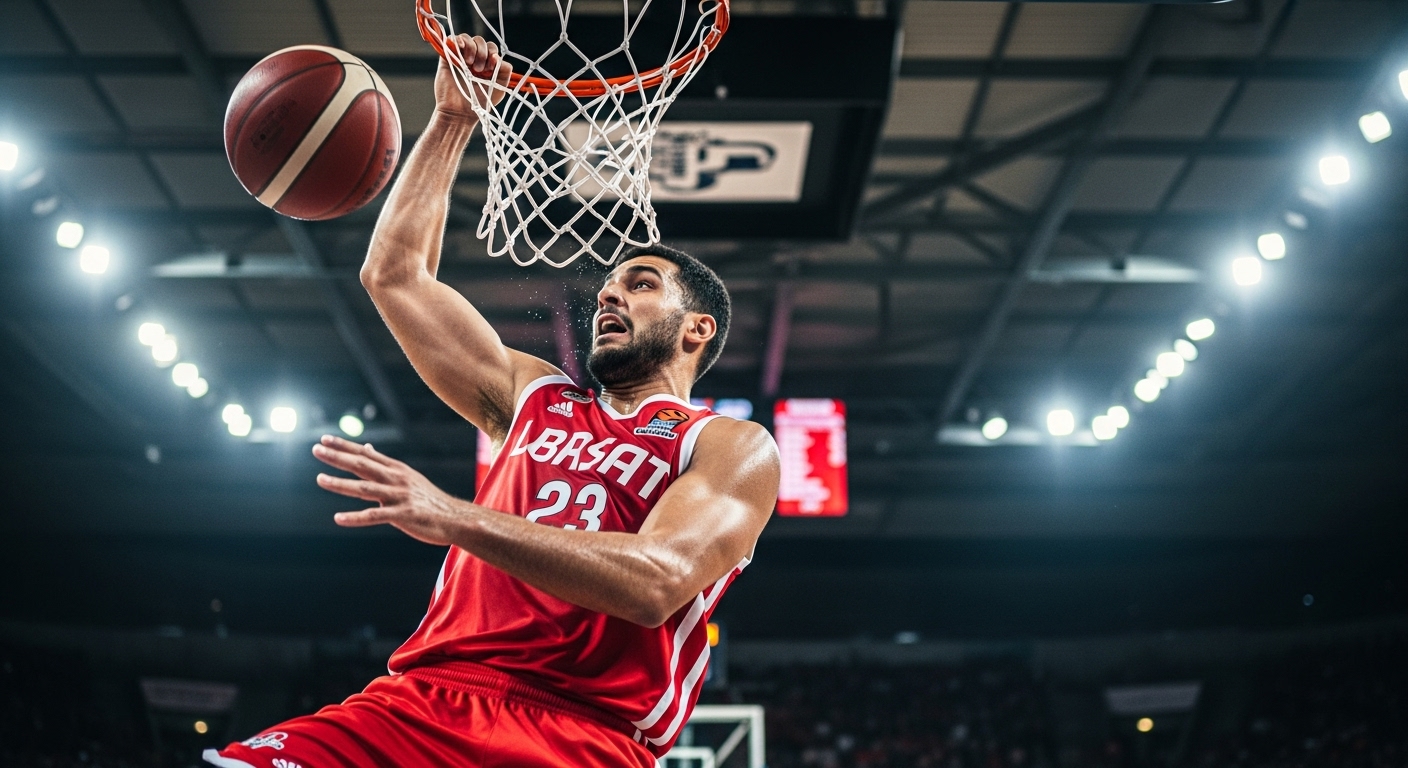
Sports are often seen merely as a form of entertainment or physical activity, but their impact stretches far beyond the stadiums, arenas, and playgrounds. From fostering personal growth to bridging cultural divides, sports have a unique way of influencing individuals and societies alike. This article explores the multifaceted role sports play in our lives, the lessons they teach, and how they continue to shape global culture.
The Universal Language of Sports
One of the most remarkable aspects of sports is their universality. Regardless of language, nationality, or age, sports offer a common ground where people can connect. Whether it is football, basketball, cricket, or track and field, the principles remain the same: competition, teamwork, and the pursuit of excellence. This universality allows sports to transcend cultural and social barriers, creating a shared experience for millions around the world.
The global popularity of sports events, such as the Olympics or the World Cup, illustrates this power. People from diverse backgrounds come together to celebrate athletic achievement, often putting aside political differences and cultural divides. In doing so, sports become a form of soft diplomacy, promoting unity and understanding in an increasingly fragmented world.
Sports as a Teacher of Life Lessons
Beyond physical skill, sports teach invaluable life lessons. Discipline, perseverance, teamwork, and resilience are qualities that athletes cultivate over years of practice and competition. These lessons often extend far beyond the field and influence everyday life.
For example, athletes learn to cope with failure gracefully. Losing a match is an inevitable part of sports, but how one reacts to loss can shape character. Resilience gained from sports often translates to better coping mechanisms in personal and professional challenges. Similarly, teamwork fosters the ability to collaborate, communicate, and support others—skills that are critical in almost every aspect of life.
Physical Health and Mental Well-Being
Sports are intrinsically linked to physical fitness. Regular participation improves cardiovascular health, strengthens muscles, enhances flexibility, and boosts overall endurance. In a world where sedentary lifestyles are becoming increasingly common, sports offer a vital avenue for maintaining physical health.
However, the benefits of sports go beyond the physical. Participation in sports is closely tied to mental well-being. Engaging in physical activity reduces stress, anxiety, and depression. It releases endorphins, often referred to as the “feel-good” hormones, which improve mood and mental clarity. Team sports, in particular, offer social interaction, fostering a sense of belonging and reducing feelings of isolation.
The Role of Sports in Education
Education and sports often complement each other. Schools and colleges that emphasize sports provide students with opportunities to develop holistically. Sports programs teach time management, goal-setting, and leadership skills, while also encouraging a sense of responsibility and fair play.
Many studies have shown that students who participate in sports perform better academically. The discipline required for training often spills over into study habits, while the focus and concentration developed on the field enhance cognitive skills. In this way, sports serve as an educational tool that extends beyond textbooks and classrooms.
Sports as a Catalyst for Social Change
Sports can be a powerful instrument for social change. Throughout history, athletes and sporting events have influenced societal attitudes and inspired movements. Iconic figures like Muhammad Ali, Billie Jean King, and Jesse Owens used their platforms to challenge racial, gender, and social inequalities. Their achievements both on and off the field sent messages that transcended sports, inspiring millions worldwide.
Moreover, sports programs are increasingly used to address social issues. Initiatives that promote sports among underprivileged communities help develop life skills, reduce crime, and foster inclusion. The accessibility of sports allows people from all backgrounds to participate, creating opportunities for empowerment and social mobility.
Economic Impact of Sports
The sports industry is not just about games; it is also a significant economic driver. From stadium construction and merchandise sales to broadcasting rights and sponsorship deals, sports generate substantial revenue worldwide. Professional leagues and tournaments create jobs, stimulate tourism, and contribute to local and national economies.
Moreover, the rise of sports entertainment, fitness programs, and esports has expanded the economic footprint even further. While professional athletes may earn the spotlight, countless others—from coaches to physiotherapists—benefit economically from the sports ecosystem.
Sports and Cultural Identity
Sports often play a vital role in shaping cultural identity. Local teams and national athletes become symbols of pride, unity, and heritage. The colors, chants, and rituals associated with sports teams foster a sense of belonging and community identity.
For example, cricket in India, soccer in Brazil, and basketball in the United States are more than just games—they are part of the national fabric. Sporting events become celebrations of culture, reinforcing traditions and providing a sense of continuity across generations.
The Evolution of Sports Technology
Technological innovation has dramatically transformed the sports landscape. From wearable devices that monitor athletic performance to advanced broadcasting technology that enhances viewer experience, technology continues to redefine how we play and consume sports.
Performance analytics now allow athletes to optimize training, reduce injuries, and strategize effectively. Meanwhile, virtual reality and augmented reality are opening new avenues for fan engagement, making sports more immersive and interactive than ever before.
Inclusivity and Diversity in Sports
Sports have made significant strides toward inclusivity and diversity. Women’s sports, adaptive sports for athletes with disabilities, and initiatives supporting marginalized communities have expanded access and visibility. Organizations around the world are actively promoting equality, ensuring that talent and passion, rather than background or identity, determine opportunity.
Inclusion in sports not only fosters fairness but also enriches the experience for everyone involved. It brings diverse perspectives, enhances creativity in gameplay, and strengthens the social fabric of sporting communities.
The Future of Sports
The future of sports is poised for remarkable growth and transformation. Esports and virtual competitions are attracting younger audiences and challenging traditional notions of athleticism. Environmental sustainability is becoming a priority, with stadiums and events adopting eco-friendly practices. Additionally, advances in sports medicine and training will continue to push the boundaries of human performance.
Yet, at its core, the essence of sports will remain unchanged. The thrill of competition, the joy of teamwork, and the celebration of human potential will continue to captivate hearts and minds across the globe.
Conclusion
Sports are far more than a pastime or spectacle—they are a force that shapes individuals, communities, and societies. They teach resilience, foster unity, promote health, and drive economic and cultural growth. Whether experienced as a player, fan, or observer, sports provide lessons and experiences that transcend the field.
In a world often divided by politics, culture, and ideology, sports serve as a reminder of what unites us. They encourage us to strive for excellence, support one another, and celebrate the human spirit. From local playgrounds to global arenas, the impact of sports is profound, enduring, and universally resonant.
Engaging with sports, in any form, is an invitation to become part of a tradition that celebrates ambition, courage, and connection—a tradition that continues to evolve but never loses its essence: the joy of play and the pursuit of greatness.