
The Power of Play: How Sports Shape Lives, Build Character, and Unite the World
Introduction
Sports have always been a reflection of human passion, perseverance, and power. From ancient civilizations to modern stadiums filled with roaring crowds, sports have remained an essential part of human culture and identity. They are not just games played for entertainment; they are an expression of discipline, teamwork, strategy, and the indomitable human spirit.
In every corner of the world, sports bring people together, breaking barriers of race, language, and culture. Whether it’s a small village cricket match, a local football tournament, or the grand stage of the Olympics, sports hold the power to inspire, heal, and unite. In this blog, we explore the evolution of sports, their global impact, their influence on individuals and societies, and how they continue to shape our future.
The Historical Roots of Sports
The origins of sports trace back thousands of years, when humans relied on physical strength and endurance for survival. Ancient people competed in running, hunting, wrestling, and combat—not as leisure activities, but as essential skills for life. Over time, these survival activities evolved into organized competitions and public spectacles.
In ancient Egypt, people enjoyed games like archery, wrestling, and swimming. The Greeks formalized athletic contests through the Olympic Games, which began in 776 BC as a tribute to the gods. These games celebrated physical excellence, honor, and sportsmanship. Meanwhile, the Romans turned sports into grand entertainment through chariot races and gladiator battles, watched by thousands in massive arenas.
Across Asia, martial arts in China and traditional wrestling in India became cultural symbols of strength and discipline. Sports were not only physical challenges but also spiritual and moral exercises that taught patience, respect, and resilience.
The evolution of sports from ancient traditions to modern competitions highlights humanity’s enduring love for challenge and excellence.
The Birth of Modern Sports
The modern era of sports began during the 18th and 19th centuries with industrialization and urbanization. As cities grew and leisure time increased, people sought new ways to socialize and stay active. This period saw the creation of organized sports with defined rules, associations, and professional leagues.
England became the birthplace of many modern sports, including football, cricket, and tennis. The establishment of rules and governing bodies helped formalize games, making them accessible and standardized. The spread of British influence across the world introduced these sports to other nations, many of which embraced and developed them further.
In the United States, baseball and basketball emerged as national favorites, combining athletic skill with strategy and teamwork. The Olympic Games were revived in 1896, becoming a global celebration of human potential and unity.
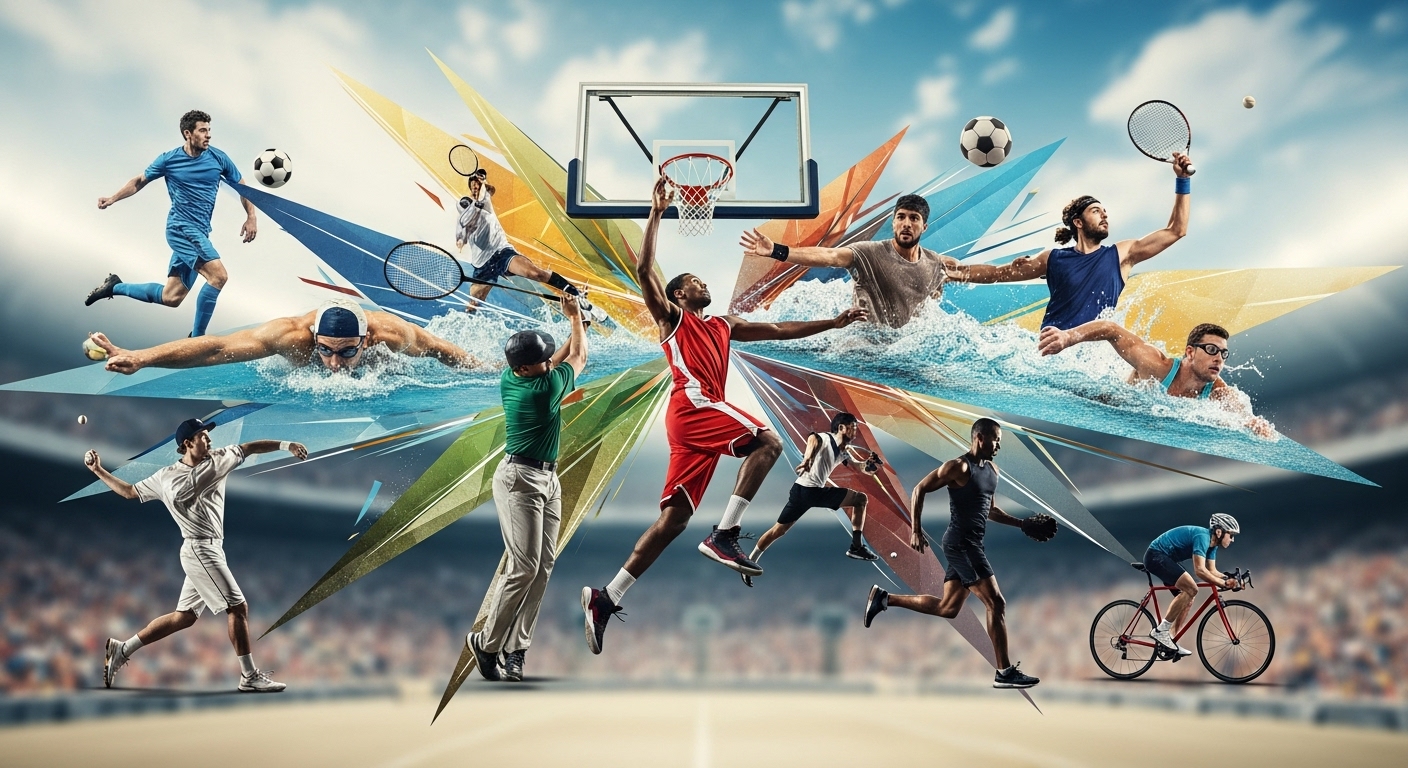
Today, sports are not limited by geography or culture. From soccer fields in Africa to ice hockey rinks in Canada, sports have become a universal language that everyone understands.
The Social and Cultural Impact of Sports
Sports have a profound influence on societies and cultures. They reflect a nation’s identity, values, and aspirations. When a country’s team wins an international competition, it becomes a moment of national pride that brings citizens together, regardless of social class or background.
Sports can also be powerful instruments for change. Athletes have often used their platforms to raise awareness about social and political issues. From Muhammad Ali’s fight against racial discrimination to modern players speaking out for equality and justice, sports have long served as a voice for the voiceless.
In communities, sports create unity and purpose. Local teams bring neighbors together, schools promote teamwork through athletics, and national victories inspire future generations. The sense of belonging that comes from being part of a team or supporting one strengthens social bonds and promotes inclusion.
Sports have also been a medium for international diplomacy. Events like the Olympics or World Cup bring together countries that may otherwise have strained relations. On the field, athletes compete fiercely but with respect, showcasing that rivalry and friendship can coexist.
The Psychological Benefits of Sports
Beyond physical fitness, sports have significant mental and emotional benefits. They teach resilience, patience, focus, and self-confidence. Competing in sports helps individuals develop a growth mindset—the belief that effort and perseverance can overcome challenges.
Sports also play a major role in managing stress and improving mental health. Physical activity releases endorphins, which reduce anxiety and boost mood. Playing or even watching sports provides a healthy escape from daily life, offering relaxation and excitement.
Team sports, in particular, teach valuable social skills. Players learn communication, leadership, empathy, and cooperation. They experience both victory and defeat, learning to handle success with humility and failure with dignity. These lessons often translate into other areas of life, including work, education, and relationships.
Women in Sports: Breaking Boundaries
For centuries, women faced exclusion from major sporting events and were often discouraged from participating. However, the 20th and 21st centuries witnessed a dramatic transformation. Women began breaking barriers and redefining what it means to be an athlete.
Icons like Billie Jean King, Serena Williams, Simone Biles, and Megan Rapinoe have inspired millions with their talent, determination, and courage. They proved that athletic excellence has no gender and paved the way for more inclusivity in sports.
The rise of women’s leagues and international tournaments has brought more visibility to female athletes. Their success has changed perceptions of strength, power, and beauty, showing that women can dominate the field just as fiercely as men.
Today, young girls around the world dream of becoming professional athletes, coaches, or sports leaders, continuing the legacy of empowerment and equality that women in sports have fought hard to establish.
The Economics of Sports: A Billion-Dollar Industry
Sports are not just a source of entertainment—they are one of the largest industries in the world. Professional leagues, media rights, sponsorships, and merchandising contribute billions to the global economy.
Athletes today are not only competitors but also brands. They endorse products, lead campaigns, and influence millions of fans worldwide. Major events like the FIFA World Cup, the Super Bowl, and the Olympics attract massive audiences and generate economic boosts for host nations.
However, commercialization also brings challenges. The growing focus on money, endorsements, and fame can sometimes overshadow sportsmanship and integrity. Issues like corruption, doping, and financial manipulation have sparked debates about the balance between business and ethics in sports.
Despite these challenges, the economic impact of sports cannot be denied. It creates jobs, supports tourism, and promotes cultural exchange, making it a vital part of the global economy.
Technology and the Modern Athlete
Technology has revolutionized the world of sports. From advanced training methods to data analytics, athletes now have tools to enhance their performance like never before.
Wearable devices track heart rates, speed, and fatigue, allowing coaches to design personalized training programs. High-speed cameras and motion sensors help analyze movement and technique, identifying areas for improvement.
Off the field, technology has transformed fan experiences. Live streaming, virtual reality, and social media have made sports more accessible and engaging. Fans can now watch games in real time from anywhere in the world and interact with their favorite athletes online.
Technology has also improved fairness and safety. Instant replay systems, goal-line technology, and video-assisted referees ensure more accurate decisions. Innovations in equipment design have reduced injuries and improved player protection.
The combination of human skill and technological innovation has created a new era of precision, performance, and connection in sports.
The Role of Sports in Health and Well-being
In an age where sedentary lifestyles and digital distractions dominate, sports play a vital role in promoting health and fitness. Regular participation in sports strengthens the heart, improves endurance, and enhances overall physical health.
Children who play sports develop stronger bones and muscles, better coordination, and healthier habits that last into adulthood. Adults benefit from reduced risks of chronic diseases and improved mental well-being.
Sports also foster community health. Local leagues and fitness clubs encourage people to stay active, connect with others, and enjoy a sense of belonging. They serve as safe spaces for people to relieve stress, build friendships, and find motivation through shared goals.
The rise of outdoor and recreational sports has further emphasized the importance of balance between work, health, and play in modern life.
Challenges in the World of Sports
While sports continue to inspire, they also face significant challenges. Mental health among athletes has become a growing concern. The pressure to perform at the highest level, coupled with public scrutiny, often leads to burnout, anxiety, and depression.
Corruption, doping, and match-fixing threaten the integrity of sports, eroding public trust. Governing bodies around the world are taking stricter measures to promote transparency and accountability.
Another pressing issue is sustainability. Major sporting events often have large environmental footprints due to travel, infrastructure, and waste. Fortunately, many organizations are now adopting eco-friendly practices like renewable energy, waste reduction, and green stadium designs.
Inclusivity remains a key focus for the future of sports. Efforts are ongoing to make sports accessible to people of all backgrounds, abilities, and identities, ensuring that everyone has the opportunity to play and participate.
The Future of Sports: Innovation and Inclusion
The future of sports promises to be exciting and transformative. Emerging technologies like artificial intelligence and virtual reality are redefining training, broadcasting, and fan engagement.
eSports, or competitive gaming, is rapidly becoming a major part of the sports landscape, attracting millions of players and spectators worldwide. Its growth has blurred the line between physical and digital competition, opening new possibilities for athletes and audiences alike.
Inclusivity and diversity will continue to shape the future of sports. Programs promoting participation among underprivileged communities, differently-abled athletes, and women are expanding. Events like the Paralympics showcase the power of determination and redefine what it means to be an athlete.
The future belongs to a sporting world that values innovation, equality, and sustainability—one where competition thrives alongside compassion and creativity.
Conclusion
Sports are far more than games; they are a mirror of human potential and perseverance. They teach us the importance of teamwork, respect, and determination. Every athlete’s journey, whether ending in triumph or defeat, carries lessons about courage, effort, and resilience.
From ancient fields to modern arenas, sports have evolved, yet their core essence remains unchanged—the celebration of life, spirit, and unity. They continue to inspire individuals to dream bigger, work harder, and believe in the impossible.
As we look to the future, one thing is certain: the world will keep changing, but the spirit of sports will always endure. It will remain a symbol of hope, humanity, and the unbreakable bond that connects us all.