
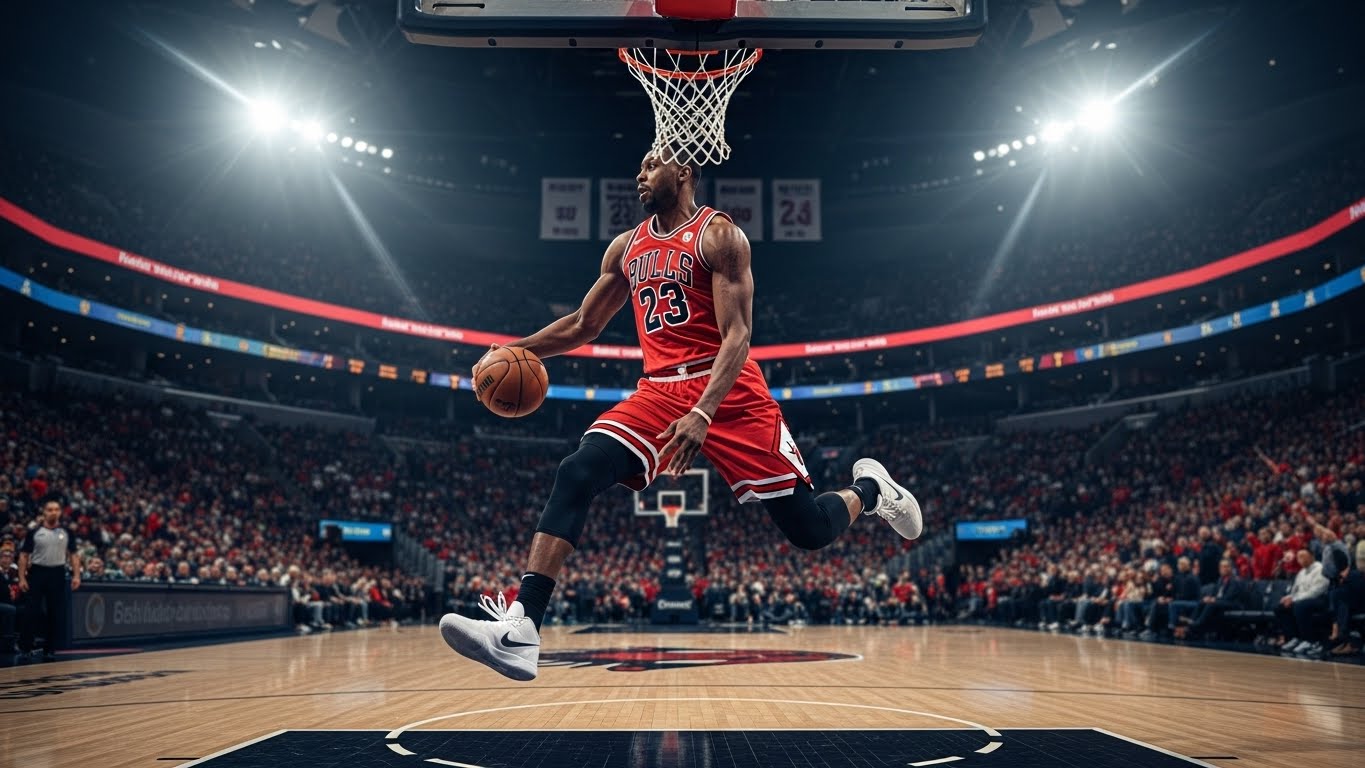
The Universal Appeal of Sports: More Than Just a Game
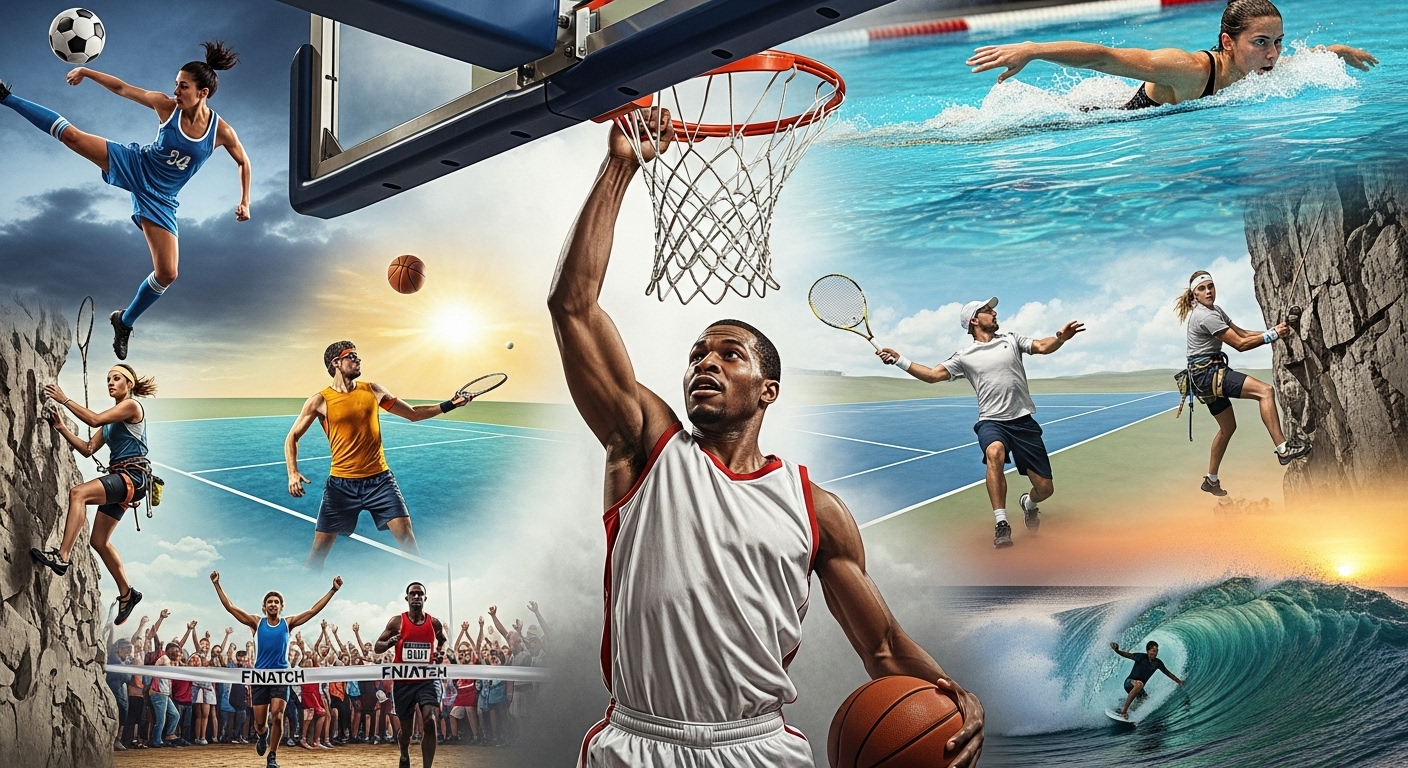
Sports are much more than a mere pastime; they are a universal language that transcends borders, cultures, and generations. From the crack of a bat to the swish of a basketball net, sports have the power to inspire, unite, and challenge us. They reflect the human spirit’s drive for excellence, teamwork, and perseverance. Whether professional or amateur, local or international, sports play an essential role in our physical, mental, and social well-being.
The Evolution of Sports Through History
Sports have existed since ancient civilizations, evolving alongside humanity. In ancient Greece, the Olympic Games were held to honor the gods, showcasing disciplines such as running, wrestling, and discus throwing. These events were not only physical contests but also celebrations of human potential and excellence. Similarly, civilizations in China, Egypt, and Mesoamerica engaged in sports and physical competitions that combined ritual, entertainment, and skill.
Over time, sports became more organized and codified. The development of standardized rules, professional leagues, and international competitions transformed sports into global spectacles. Football, cricket, basketball, and tennis, among others, now draw millions of spectators worldwide. The evolution of sports reflects broader societal changes, highlighting values like fair play, discipline, and competition.
Physical Benefits of Playing Sports
Engaging in sports offers numerous physical advantages. Regular participation improves cardiovascular health, strengthens muscles, and enhances flexibility and endurance. High-intensity sports like soccer or rugby promote stamina and agility, while activities like swimming or cycling provide low-impact cardiovascular benefits. For children and adolescents, sports aid in bone growth, coordination, and overall physical development.
Sports also help combat sedentary lifestyles. In an age dominated by technology and screen time, playing sports encourages movement, reduces the risk of obesity, and fosters long-term health habits. Additionally, consistent physical activity through sports contributes to a stronger immune system and reduces the likelihood of chronic diseases.
Mental and Emotional Advantages
Beyond physical fitness, sports significantly impact mental health. The concentration, strategy, and quick decision-making required in most sports stimulate cognitive function and enhance problem-solving skills. For instance, chess, table tennis, and even team sports demand mental agility, focus, and the ability to anticipate opponents’ moves.
Sports also boost emotional resilience. Winning and losing teach athletes to handle success and failure gracefully. Coping with setbacks, injury recovery, and competition pressures build perseverance, self-discipline, and emotional stability. Moreover, physical activity stimulates the release of endorphins, improving mood, reducing stress, and combating anxiety and depression. Team sports, in particular, foster social interaction, camaraderie, and a sense of belonging, which are essential for emotional well-being.
Teamwork and Leadership Skills
Participation in team sports teaches critical life skills, especially teamwork and leadership. Team sports like soccer, basketball, and volleyball require coordination, communication, and trust among teammates. Players must understand their roles, support each other, and work toward a common goal. These experiences translate into valuable skills applicable in professional and personal life, such as collaboration, conflict resolution, and adaptability.
Leadership development is another significant benefit. Team captains and experienced players often guide, motivate, and mentor others, fostering confidence, decision-making, and responsibility. Sports provide a platform for individuals to develop these traits in real-time, preparing them for leadership roles beyond the playing field.
The Role of Sports in Education
Sports are an integral component of education, contributing to holistic development. Schools and universities worldwide emphasize physical education to instill discipline, teamwork, and a healthy lifestyle in students. Participation in sports cultivates time management, goal setting, and perseverance, which complement academic learning.
Moreover, sports offer scholarships and opportunities for students to pursue higher education while developing athletic talents. Competitions and tournaments provide exposure, recognition, and pathways to professional careers. In many countries, schools and collegiate sports programs serve as launching pads for national and international athletic achievements.
The Global Phenomenon of Competitive Sports
Competitive sports captivate millions of fans worldwide. International tournaments such as the FIFA World Cup, the Olympic Games, and the NBA Finals generate enormous excitement, uniting people across continents. The thrill of competition, the display of skill, and the stories of triumph and defeat inspire audiences and athletes alike.
Sports competitions also foster national pride. Athletes represent their countries, and their victories resonate far beyond personal achievement. Iconic moments, such as winning a gold medal or scoring a last-minute goal, become symbols of resilience, dedication, and national identity. The global reach of sports underscores their power as a unifying force that transcends cultural, linguistic, and political differences.
Iconic Athletes and Their Legacy
Throughout history, athletes have become more than just players; they have become legends and cultural icons. Figures like Muhammad Ali, Serena Williams, Lionel Messi, and Usain Bolt have transcended their sports, inspiring millions with their talent, work ethic, and perseverance. These athletes exemplify dedication, discipline, and the pursuit of excellence, serving as role models for aspiring sports enthusiasts.
The legacy of athletes extends beyond their accomplishments. Many use their influence to advocate for social causes, charitable initiatives, and community development. Their stories teach that sports are not only about winning but also about character, integrity, and positive impact on society.
Technological Advancements in Sports
Modern technology has revolutionized the way sports are played, analyzed, and consumed. Performance tracking devices, wearable technology, and video analysis tools allow athletes to optimize training and strategy. Sports science has advanced injury prevention, recovery techniques, and nutrition, enhancing athletes’ longevity and performance.
Fans also benefit from technology. High-definition broadcasts, virtual reality experiences, and interactive platforms bring sports closer to global audiences. Social media enables real-time engagement, while data analytics enhances understanding of player performance, team tactics, and game strategies. Technology continues to redefine the boundaries of what is possible in sports.
Inclusivity and Accessibility in Sports
Sports have increasingly become more inclusive, promoting participation across genders, ages, and abilities. Women’s sports have gained significant recognition, with female athletes achieving remarkable success and inspiring future generations. Paralympic Games and adaptive sports provide opportunities for athletes with disabilities to compete at elite levels, showcasing resilience and talent.
Efforts to promote accessibility ensure that sports are available to all, regardless of socioeconomic background. Community programs, grassroots initiatives, and non-profit organizations work to break barriers, making sports a tool for empowerment, equality, and social change.
Sports and Cultural Identity
Sports are deeply intertwined with cultural identity. Traditional games, local tournaments, and regional competitions reflect heritage, values, and community spirit. From cricket in South Asia to rugby in New Zealand, sports become expressions of national and cultural pride. They preserve traditions, bring people together, and foster intergenerational connections.
Moreover, global sports events promote cross-cultural exchange. International athletes, coaches, and fans interact, share experiences, and celebrate diversity. Sports serve as a bridge between cultures, promoting understanding, tolerance, and friendship across borders.
Challenges in Modern Sports
Despite its many benefits, sports face challenges that require careful attention. Issues such as doping, corruption, and unethical practices threaten the integrity of competition. The pressure to perform at elite levels can lead to mental health struggles, burnout, and exploitation of athletes. Ensuring fair play, ethical standards, and athlete welfare remains a priority for sports organizations worldwide.
Additionally, accessibility and inclusivity still need improvement. Socioeconomic barriers, lack of infrastructure, and unequal opportunities can limit participation in sports. Addressing these challenges requires collaboration among governments, organizations, and communities to ensure that sports remain a positive force for all.
The Future of Sports
The future of sports holds immense potential. Emerging technologies, innovative formats, and increased awareness of health and wellness are shaping the next generation of athletes and fans. Virtual sports, esports, and mixed-reality experiences are expanding the definition of competition and engagement. Sustainability and environmental considerations are influencing sports events and infrastructure development.
Ultimately, sports will continue to inspire, unite, and challenge humanity. They will remain a testament to human creativity, endurance, and the desire to achieve greatness. Whether on the field, court, track, or digital arena, sports will keep pushing boundaries, connecting people, and celebrating the extraordinary capabilities of the human spirit.
Conclusion: The Enduring Power of Sports
Sports are far more than games or competitions. They are a reflection of humanity’s ambition, resilience, and capacity for connection. From ancient traditions to modern innovations, sports have shaped societies, fostered health and well-being, and inspired generations. They teach discipline, teamwork, leadership, and emotional intelligence while providing joy, entertainment, and a sense of community.
In a rapidly changing world, sports remain a constant—a reminder of our potential, our shared humanity, and the limitless possibilities that emerge when we strive for excellence. Whether you are an athlete, a fan, or a casual observer, sports have something to offer everyone, making them an enduring and invaluable part of human life.