Top Fitness Routines for Athletes: Boost Performance, Strength, and Endurance
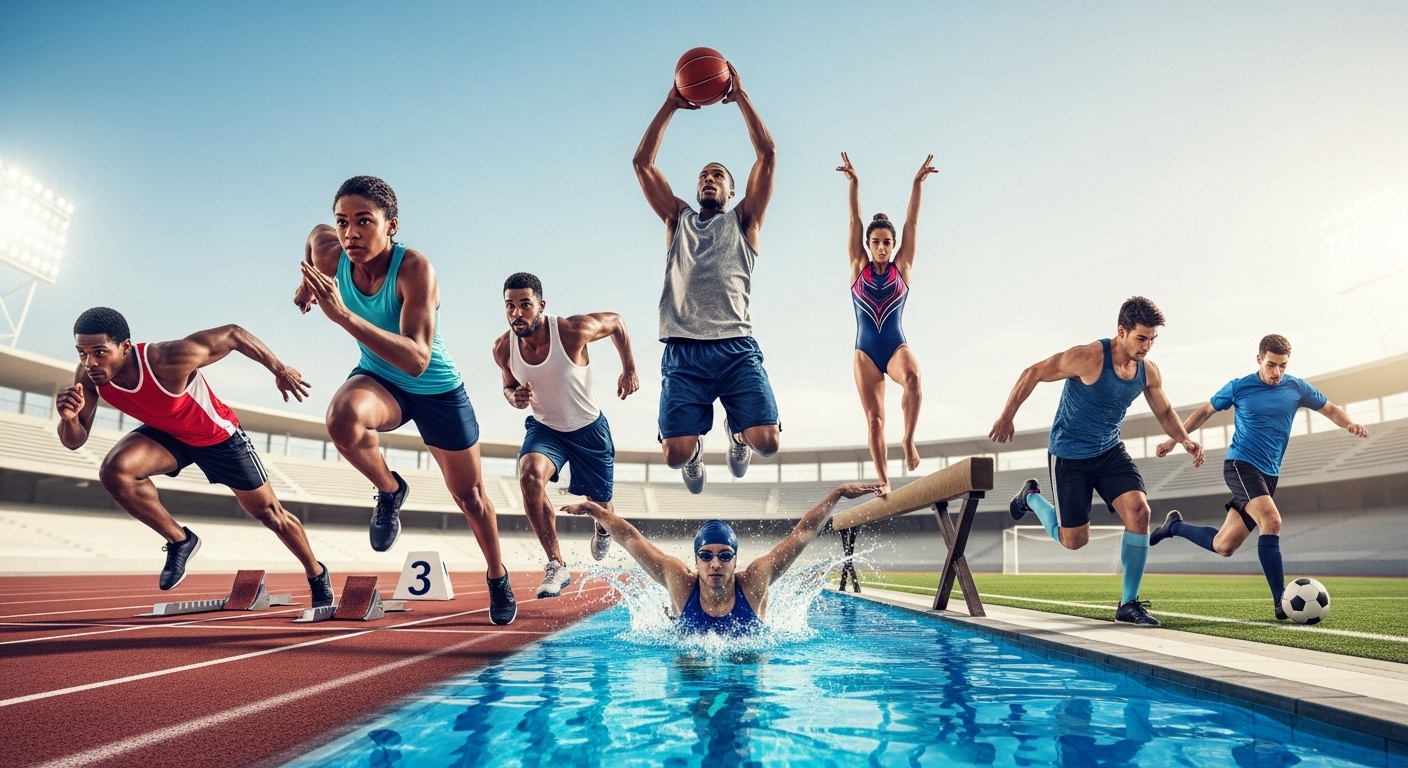
Athletes understand that peak performance isn’t achieved by talent alone. It requires a combination of skill, discipline, and a well-structured fitness routine. The right training program can enhance strength, speed, agility, endurance, and overall athletic performance. Whether you are a professional athlete, a weekend warrior, or an aspiring sports enthusiast, incorporating the right fitness routines into your schedule can make a significant difference in your performance and longevity in sports.
In this blog, we will explore the top fitness routines for athletes across various disciplines. We’ll cover strength training, cardio, flexibility, recovery methods, and sport-specific workouts that help maximize potential while preventing injuries.
Strength Training: Building the Foundation
Strength training is the cornerstone of any athletic fitness program. It develops muscles, improves joint stability, and enhances power generation for explosive movements in sports like basketball, football, and track events.
Athletes should focus on compound movements that engage multiple muscle groups simultaneously. Exercises such as squats, deadlifts, bench presses, and pull-ups are essential for building overall strength. Functional strength exercises, like kettlebell swings, lunges, and medicine ball throws, help improve coordination and athletic performance.
In addition to free weights, resistance bands and bodyweight exercises can provide varied intensity and reduce the risk of overuse injuries. Incorporating both upper and lower body exercises ensures balanced development, which is crucial for sports requiring agility and speed.
Cardiovascular Training: Boosting Endurance
Cardiovascular fitness is critical for athletes to maintain high energy levels and improve performance during prolonged activity. Aerobic exercises like running, cycling, swimming, and rowing build endurance by strengthening the heart and improving lung capacity.
High-intensity interval training (HIIT) has gained popularity among athletes because it combines short bursts of maximum effort with brief recovery periods. HIIT not only improves cardiovascular fitness but also enhances speed, agility, and metabolic efficiency. For sports such as soccer, basketball, or tennis, HIIT replicates the stop-and-go nature of competition, making it particularly effective.
Including a mix of steady-state cardio and interval training ensures that athletes develop both endurance and explosive power necessary for high-intensity performance.
Flexibility and Mobility: Preventing Injuries
Flexibility and mobility are often overlooked in athletic fitness, yet they are critical for performance and injury prevention. Stretching exercises improve range of motion, reduce muscle stiffness, and enhance overall coordination.
Dynamic stretching before workouts or games, such as leg swings, arm circles, and walking lunges, prepares the body for movement and reduces the risk of strains. Post-workout static stretching, including hamstring stretches, hip flexor stretches, and shoulder stretches, aids recovery and maintains muscle elasticity.
Incorporating yoga or Pilates into a fitness routine can further improve core strength, balance, and flexibility, providing athletes with better control over their movements and reducing the likelihood of injuries.
Core Training: The Powerhouse of Athletic Performance
A strong core is essential for nearly every sport, as it stabilizes the body, enhances balance, and allows efficient transfer of power between the upper and lower body. Core training should target not only the abs but also the obliques, lower back, and glutes.
Exercises such as planks, Russian twists, hanging leg raises, and stability ball rollouts strengthen the core and improve athletic performance. Medicine ball throws and rotational exercises are particularly effective for sports requiring twisting motions, such as baseball, golf, and tennis.
A well-developed core also supports proper posture, reduces the risk of lower back injuries, and enhances overall movement efficiency, giving athletes an edge in their performance.
Sport-Specific Workouts: Tailoring Training
While general fitness is important, athletes benefit most from sport-specific workouts that mimic the movements and demands of their respective disciplines.
- Basketball: Focus on vertical jump exercises, lateral movements, sprint drills, and plyometrics to enhance explosiveness and agility.
- Soccer: Incorporate endurance running, interval sprints, ball-handling drills, and lower-body strength training.
- Tennis: Emphasize rotational power, agility ladder drills, wrist strength, and short-burst sprints.
- Track and Field: Combine sprint training, resistance workouts, plyometric exercises, and flexibility drills.
Tailoring workouts to sport-specific requirements helps athletes develop the skills and conditioning necessary for success while reducing the risk of overtraining irrelevant muscle groups.
Recovery and Regeneration: The Key to Consistency
Athletes often overlook recovery, yet it is just as important as training itself. Adequate rest allows muscles to repair, prevents burnout, and reduces injury risks. Recovery routines should include proper sleep, nutrition, hydration, and active recovery exercises.
Foam rolling, massage therapy, and light swimming or cycling can aid in muscle recovery and improve circulation. Cold baths, contrast showers, and stretching routines can reduce inflammation and promote faster healing.
Monitoring workload and ensuring proper recovery cycles between intense training sessions enables athletes to maintain peak performance consistently.
Nutrition and Hydration: Fueling Performance
Fitness routines are only effective when paired with proper nutrition and hydration. Athletes require a balanced diet rich in proteins, healthy fats, and complex carbohydrates to fuel energy demands and promote muscle repair.
Pre-workout meals should focus on digestible carbs and moderate protein, while post-workout meals should emphasize protein intake to aid muscle recovery. Hydration is equally critical, as even mild dehydration can impair strength, endurance, and cognitive function.
Many athletes also incorporate supplements such as electrolytes, protein powders, and omega-3 fatty acids to support performance and recovery. Personalized nutrition plans tailored to specific sports can optimize performance and maintain long-term health.
Mental Conditioning: Strengthening the Mind
Physical fitness is only part of the equation for athletes; mental conditioning is equally important. Focus, resilience, and confidence play a major role in competitive performance.
Techniques such as visualization, meditation, and goal-setting help athletes prepare mentally for challenges. Mindfulness practices can improve concentration, reduce anxiety, and enhance decision-making under pressure.
Sports psychologists often work with athletes to develop mental toughness, helping them stay motivated, recover from setbacks, and maintain consistent performance during high-stress situations.
Combining Workouts for a Comprehensive Routine
The most effective fitness routines for athletes combine strength, cardio, flexibility, core training, sport-specific drills, and recovery practices. A sample weekly structure may include:
- Monday: Strength training and core exercises
- Tuesday: HIIT cardio and agility drills
- Wednesday: Flexibility and mobility workouts
- Thursday: Sport-specific skill training
- Friday: Strength training and plyometrics
- Saturday: Endurance cardio and light skill work
- Sunday: Active recovery and mental conditioning
This holistic approach ensures that athletes develop all aspects of fitness necessary for peak performance while preventing overtraining and injuries.
Monitoring Progress: Tracking Performance
Athletes benefit greatly from tracking their progress. Wearable technology, fitness apps, and performance journals provide data on heart rate, endurance, strength gains, and recovery metrics.
Tracking progress allows athletes to adjust workouts, identify weaknesses, and set achievable goals. By understanding performance patterns, athletes can fine-tune their routines for maximum results.
Conclusion: Fitness as a Lifestyle
Top athletes understand that fitness is a continuous journey, not a one-time effort. The right combination of strength training, cardiovascular workouts, flexibility, core exercises, sport-specific drills, and recovery practices forms the foundation of peak performance.
By following a structured fitness routine and integrating proper nutrition, mental conditioning, and recovery strategies, athletes can achieve sustainable success, prevent injuries, and enhance overall well-being. Fitness is not just about athletic achievement—it’s a lifestyle that empowers individuals to perform at their best, on and off the field.