
The Everlasting Spirit of Sports: A Journey Through Passion, Perseverance, and Progress
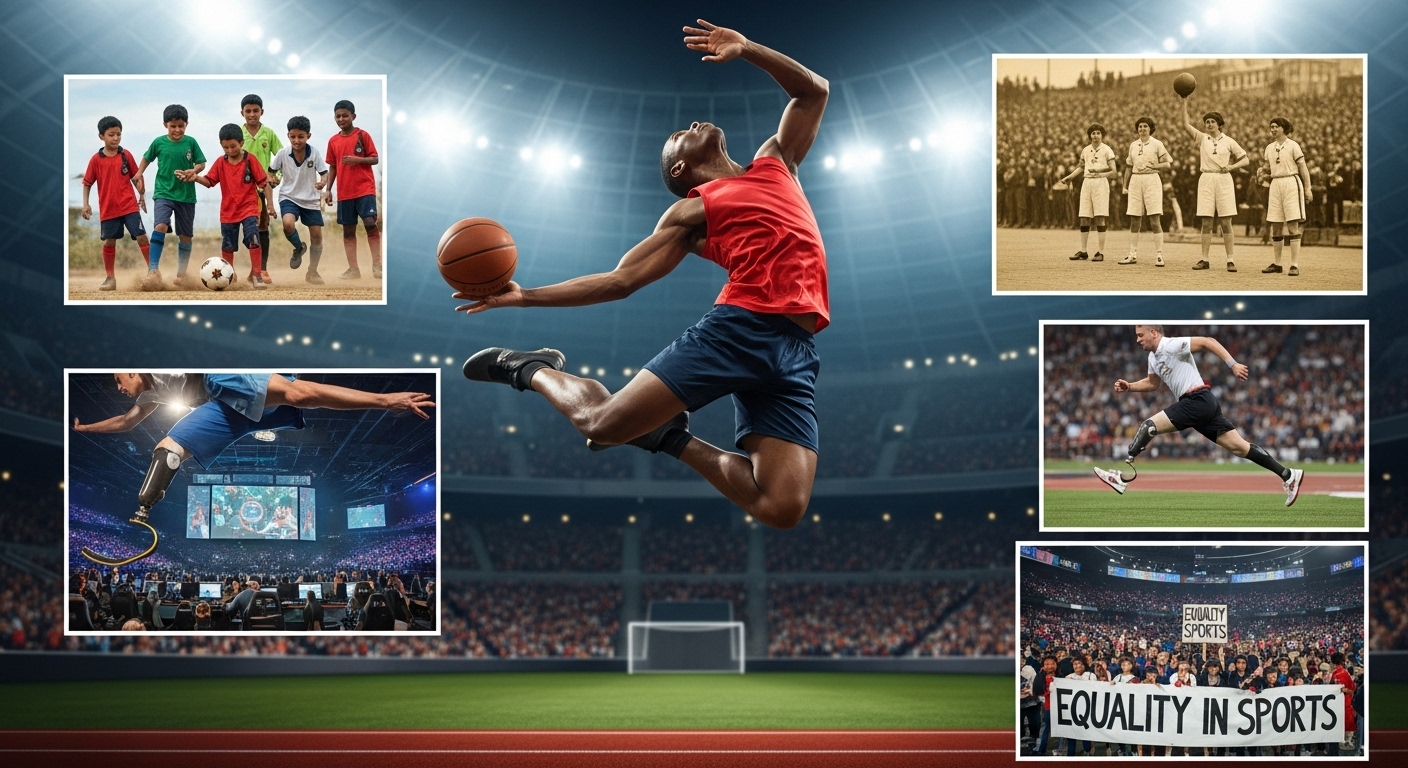
Sports have always been an inseparable part of human life. From the ancient arenas of Greece to the modern stadiums filled with roaring crowds, sports have united people beyond borders, cultures, and languages. They embody the essence of discipline, teamwork, and determination. Whether it is a child chasing a ball in a narrow street or a professional athlete competing at the Olympic Games, the spirit of sports reflects one of humanity’s greatest passions. This blog takes you through the fascinating world of sports, exploring its history, its impact on individuals and society, and the way it continues to evolve in our modern world.
The Origins and History of Sports
The story of sports dates back thousands of years. In ancient civilizations such as Egypt, Greece, China, and India, sports were not just games but a way of life. The Greeks introduced the Olympic Games around 776 BC, celebrating physical strength, endurance, and honor. Athletes competed in events like running, wrestling, and discus throwing, representing their city-states with pride. Similarly, in ancient China, activities such as archery, martial arts, and chariot racing were integral parts of royal ceremonies and military training.
In India, traditional games like kabaddi, wrestling, and chaturanga (the predecessor of chess) shaped the early foundation of physical and mental competition. In Africa, sports were deeply connected to rituals, dance, and community gatherings. The Native Americans practiced games like lacrosse, which combined skill, strategy, and spirituality.
As centuries passed, sports became organized and formalized. The Industrial Revolution in the 18th and 19th centuries brought urbanization, and with it, structured sports clubs, leagues, and associations began to emerge. Football (soccer), cricket, baseball, and rugby became popular worldwide. These games created opportunities for people from different backgrounds to compete and connect, leading to the global sports culture we see today.
The Role of Sports in Society
Sports are far more than physical contests. They play a crucial role in building communities, shaping character, and promoting healthy lifestyles. They teach people about teamwork, leadership, and fair play. A sporting field often mirrors life itself — where success requires preparation, resilience, and the ability to overcome failure.
In schools and universities, sports help students develop physical fitness and mental toughness. Beyond physical benefits, sports encourage discipline and responsibility. Children who play sports learn about setting goals, handling defeat gracefully, and celebrating victory with humility.
On a societal level, sports foster unity. Major tournaments such as the FIFA World Cup, the Olympic Games, and the Cricket World Cup bring together nations in celebration of human achievement. When fans cheer for their teams, national pride takes center stage, transcending differences of race, religion, and ideology. Sports also provide economic opportunities by generating employment, tourism, and infrastructure development.
The Psychological Benefits of Sports
Sports are not only about physical performance; they profoundly influence mental well-being. Regular physical activity helps release endorphins — chemicals in the brain that reduce stress, anxiety, and depression. Participation in sports gives individuals a sense of belonging and purpose.
Athletes learn to handle pressure, cope with setbacks, and maintain focus under challenging circumstances. These qualities are not limited to the playing field; they carry into everyday life, helping individuals become more balanced and emotionally resilient.
Sports also promote self-esteem. Achieving small milestones, whether it is running an extra kilometer or mastering a new skill, builds confidence. For many, sports serve as a form of therapy, a way to channel emotions constructively and maintain mental health in a demanding world.
The Globalization of Sports
In the 20th and 21st centuries, the rise of global media transformed sports into a worldwide phenomenon. Television, radio, and the internet have made it possible for millions to watch live matches and follow their favorite athletes in real-time. Sports stars have become international icons, influencing fashion, culture, and even politics.
Football, known as the “beautiful game,” is the most popular sport globally, watched by billions. Cricket has a massive following in South Asia, the Caribbean, and parts of Africa. Basketball, baseball, and tennis have passionate fans across continents. The Olympics, held every four years, represent the pinnacle of global sporting unity — where athletes from every corner of the world compete for glory under one flag of peace and sportsmanship.
Moreover, the influence of sports is not limited to traditional forms. E-sports, or competitive video gaming, has become a billion-dollar industry. Players and teams now compete in global tournaments, attracting millions of viewers online. This evolution shows that the concept of sports is constantly expanding, adapting to new generations and technologies.
Women in Sports: Breaking Barriers and Shaping the Future
Historically, women faced challenges in participating in sports due to cultural and social barriers. However, the modern era has witnessed a remarkable shift. Female athletes have proven their strength, skill, and determination, earning respect and recognition worldwide.
Icons like Serena Williams, Simone Biles, Megan Rapinoe, and Mary Kom have inspired millions of young girls to pursue their dreams. Women’s tournaments in football, cricket, and tennis now attract huge audiences, breaking stereotypes and promoting gender equality.
The inclusion of women in all levels of sports — from grassroots to professional — has transformed the global landscape. Today, women not only compete but also lead as coaches, referees, and administrators. Their presence has added new dimensions of diversity and empowerment to the world of sports.
The Economic Power of Sports
Sports are a multi-trillion-dollar global industry. From broadcasting rights to sponsorships, merchandise, and tourism, sports contribute significantly to the world economy. Major events such as the Olympics or the FIFA World Cup require years of planning and billions in investment but also generate massive returns through job creation and international exposure.
Sportswear brands, equipment manufacturers, and media companies thrive on sports-related activities. Athletes, too, have become entrepreneurs and philanthropists, using their fame to support social causes and create businesses. For developing nations, investing in sports infrastructure can boost economic growth and national image.
Sports and Technology: A Perfect Partnership
Technology has revolutionized sports in countless ways. From data analytics and wearable fitness trackers to video refereeing systems like VAR and Hawk-Eye, innovation has made sports fairer and more efficient. Coaches now rely on advanced analytics to design strategies, improve performance, and prevent injuries.
Virtual training environments, AI-based analysis, and digital fan engagement have transformed how sports are played and consumed. Spectators can experience matches through virtual reality, while athletes can review their movements using 3D motion analysis. Technology has also enhanced accessibility, allowing individuals with disabilities to participate in adaptive sports with specialized equipment.
Sports and Health: Building a Better Lifestyle
Regular participation in sports promotes physical fitness, strengthens the immune system, and prevents chronic diseases such as obesity, diabetes, and heart problems. Engaging in sports improves muscle strength, coordination, and endurance.
However, sports are not only about competition. They can be recreational, offering fun and relaxation. Simple activities like swimming, cycling, jogging, or playing badminton contribute to overall well-being. In a world dominated by sedentary lifestyles and digital distractions, sports offer the perfect balance for a healthier life.
The Role of Sportsmanship and Ethics
At the heart of every sport lies the spirit of fair play. Sportsmanship teaches respect — for teammates, opponents, and the rules of the game. It reminds us that victory achieved dishonestly is no victory at all.
Ethics in sports have faced challenges, from doping scandals to match-fixing. Yet, these incidents have also led to stronger regulations and awareness about integrity. True athletes understand that winning with honor is more meaningful than achieving success through unfair means. Sportsmanship also extends beyond the field — in how athletes behave, inspire others, and serve as role models.
Youth and Sports: The Foundation of the Future
Young people represent the future of sports. Encouraging youth participation helps nurture talent, build confidence, and promote healthy lifestyles from an early age. Schools and communities play a vital role in providing facilities, training, and guidance.
Sports also help reduce social problems among youth, keeping them away from harmful habits and fostering a sense of belonging. For many children, sports open doors to scholarships, education, and international opportunities. A strong sports culture can shape disciplined, motivated, and community-oriented citizens.
The Spirit of the Fans
Fans are the heartbeat of sports. Their cheers, chants, and emotions create the magic that transforms games into unforgettable experiences. Whether it is a packed stadium or a small local match, the enthusiasm of fans fuels athletes’ passion.
Supporters often form lifelong connections with teams, sharing triumphs and heartbreaks together. The loyalty of fans has also led to the creation of fan clubs, community events, and volunteer movements that give back to society. The love for sports among fans shows how deeply these games are woven into human emotion and identity.
Challenges in the Modern Sporting World
Despite its many positives, sports today face several challenges. Commercialization sometimes overshadows the true spirit of competition. Corruption, match-fixing, and doping remain issues in many disciplines. The pressure on athletes to perform often leads to mental health struggles.
Moreover, unequal access to facilities and opportunities continues to limit participation, especially in underprivileged regions. Addressing these issues requires a collective effort from governments, organizations, and fans. Promoting clean sports, supporting athletes’ mental health, and ensuring equal opportunities can preserve the integrity and inclusiveness of sports.
The Future of Sports
The future of sports looks dynamic and inspiring. With rapid technological growth and increased global connectivity, new forms of sports and entertainment are emerging. Virtual sports, mixed-reality experiences, and AI-powered training will reshape how athletes prepare and how fans engage.
Sustainability will also play a key role in sports development. Eco-friendly stadiums, renewable energy use, and waste reduction initiatives will help make sports environmentally responsible. Furthermore, inclusivity will continue to expand, giving equal opportunities to all genders, ages, and abilities.
The growing emphasis on mental health, ethics, and community engagement will ensure that sports remain a source of inspiration and progress for generations to come.
Conclusion: The Unbreakable Bond Between Humanity and Sports
Sports have always reflected the best of humanity — courage, perseverance, and unity. They teach us how to dream, how to strive, and how to respect one another. Whether played for fun or glory, sports bring out our collective spirit of excellence.
From ancient arenas to modern digital platforms, the journey of sports continues to evolve, but its essence remains unchanged. It is a celebration of life, movement, and determination. The passion that drives an athlete to train before dawn, the joy of fans cheering their heroes, and the peace of mind that comes from a friendly game — all these remind us why sports will forever hold a special place in the human heart.