
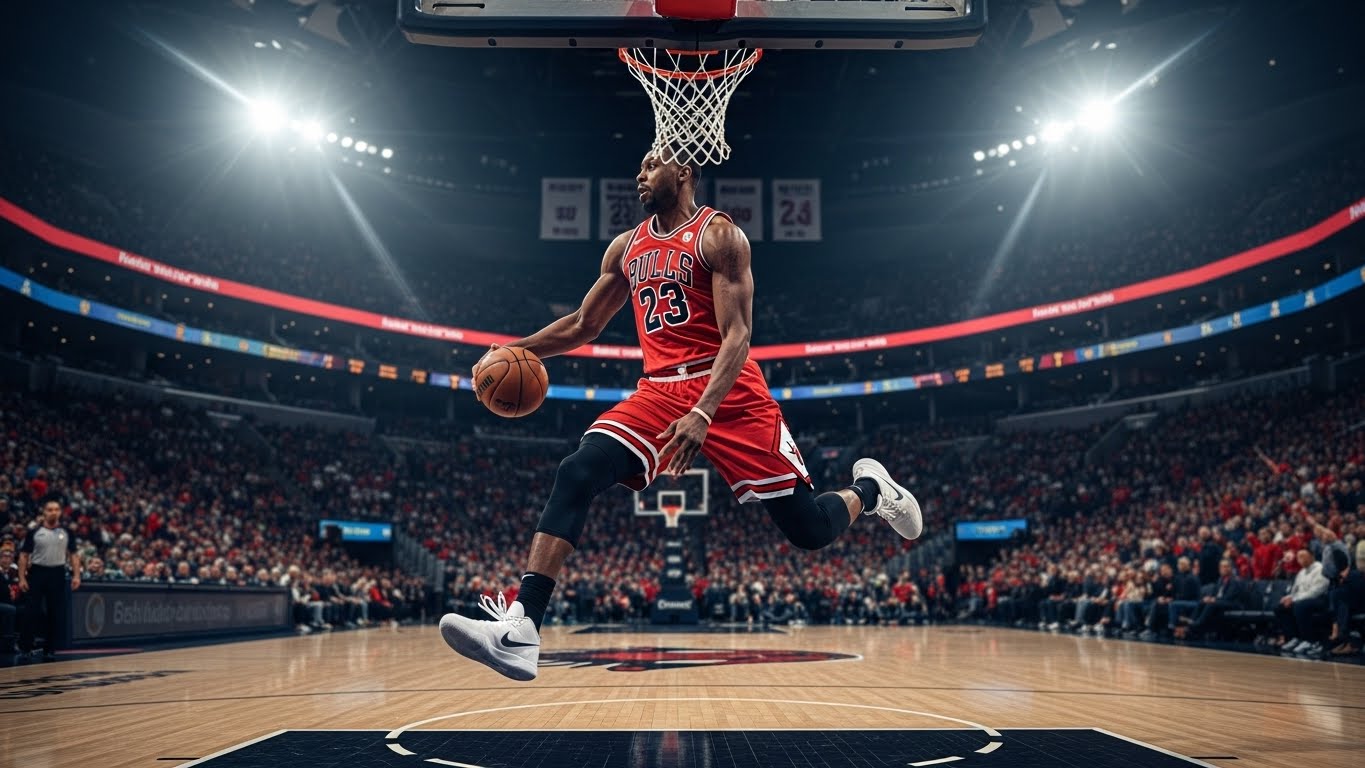
The Power and Passion of Sports: A Journey Through Human Achievement and Emotion
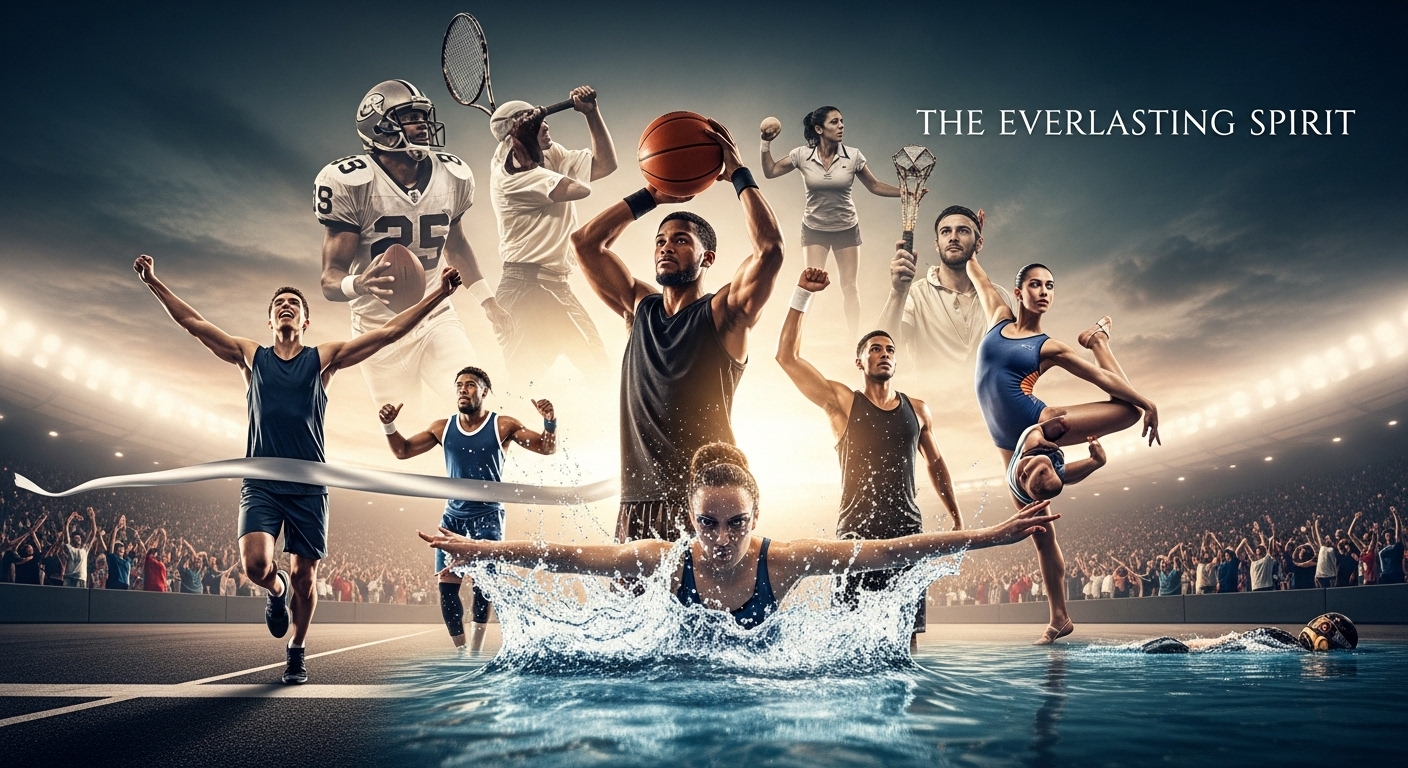
Introduction to the World of Sports
Sports have been an integral part of human civilization since ancient times. From the gladiatorial battles of Rome to the modern Olympic Games, sports have continuously evolved to reflect the changing values, cultures, and technologies of societies. They are not merely a form of entertainment but a profound expression of human spirit, discipline, and ambition. Sports bring people together across continents, languages, and beliefs, forming a universal language of competition, cooperation, and celebration.
In every corner of the world, sports have the power to inspire millions. They teach resilience, teamwork, leadership, and humility. Whether it is the roar of a football stadium, the silence before a tennis serve, or the tension of a cricket final, sports generate emotions that no other form of human activity can replicate.
The Historical Roots of Sports
The origins of sports can be traced back thousands of years. Archaeological evidence shows that ancient Egyptians played games similar to modern wrestling and hockey. The Greeks introduced the Olympic Games in 776 BC, a tradition that has endured for centuries and still symbolizes global unity through athletic excellence. The Romans organized gladiator contests, while the Chinese practiced martial arts as a form of both defense and discipline.
Over time, sports evolved from survival-based activities into organized competitions. Hunting and running, once essential for daily life, became races that measured speed and endurance. Ball games emerged in various forms across cultures, each reflecting the social structure and values of its time. Medieval Europe saw the birth of jousting and fencing, while indigenous peoples in the Americas played ball games that carried deep spiritual meaning.
The Rise of Modern Sports
The Industrial Revolution in the 18th and 19th centuries marked a turning point in the history of sports. As urbanization and improved communication developed, sports became more structured and professionalized. Rules were standardized, clubs were formed, and governing bodies established to ensure fair play. England played a major role in shaping modern sports such as football, cricket, and rugby.
With the invention of the printing press and later the radio and television, sports reached audiences like never before. Competitions that were once local became international events. The Olympic Games were revived in 1896, and soon after, world championships began to define excellence in nearly every sport.
The Role of Sports in Society
Sports hold a significant place in society not only for entertainment but also for their impact on social and cultural development. They encourage physical health and mental well-being, instill discipline, and promote teamwork. Beyond the playing field, sports have served as a platform for social change and equality.
For instance, athletes like Jackie Robinson broke racial barriers in baseball, while Billie Jean King fought for gender equality in tennis. Sports have also been a voice for peace, with events like the Olympics symbolizing unity among nations even during times of global conflict.
Sports create heroes and legends who inspire generations. They remind us that greatness is achieved not through luck but through dedication, hard work, and perseverance.
The Emotional Connection Between Fans and Sports
One of the most fascinating aspects of sports is the emotional bond between fans and their favorite teams or players. This relationship transcends logic and often becomes a lifelong passion. Fans invest their time, energy, and emotions into supporting their heroes, celebrating victories, and mourning defeats.
A goal scored in the final seconds, a buzzer-beater in basketball, or a last-minute boundary in cricket can make entire nations erupt in joy. Sports provide moments that live forever in collective memory. They build communities, unite strangers, and even bridge political divides. In many ways, sports are a mirror of life, reflecting both triumph and tragedy, success and failure.
The Globalization of Sports
The 21st century has seen the complete globalization of sports. Thanks to digital media and international broadcasting, fans can follow their favorite teams and players from any part of the world. Football clubs have supporters in countries thousands of miles away from their home grounds. Basketball, once primarily American, has become a global phenomenon. Cricket, too, has expanded beyond its colonial roots to become one of the most-watched sports globally.
Sports apparel, merchandise, and sponsorships have turned athletes into global icons. Events such as the FIFA World Cup and the Olympics attract billions of viewers, highlighting the power of sports to connect humanity across borders.
The Role of Technology in Modern Sports
Technology has transformed every aspect of sports, from training to broadcasting. Athletes now use advanced analytics to improve performance, while coaches rely on real-time data to design strategies. Instant replay systems, goal-line technology, and video assistant referees ensure fair play and transparency in major competitions.
Wearable devices monitor heart rate, speed, and endurance, helping athletes push their limits safely. Virtual reality is now used in training simulations, allowing players to experience match-like conditions. Fans, too, benefit from technology through interactive apps, live streaming, and augmented reality experiences that bring them closer to the action than ever before.
The Business of Sports
Sports have become one of the most profitable industries in the world. From broadcasting rights to sponsorship deals, ticket sales to merchandise, the economic impact of sports is enormous. Major leagues like the NFL, NBA, and Premier League generate billions of dollars annually. Athletes are not just players anymore; they are brands with global recognition and influence.
The business side of sports has also brought challenges, such as commercialization and overreliance on corporate sponsorships. However, it has opened opportunities for investment, infrastructure development, and job creation. Sports tourism has grown significantly, with fans traveling across continents to watch their favorite teams play.
The Importance of Youth and Grassroots Sports
While professional sports often dominate the headlines, grassroots sports are equally vital. They form the foundation of athletic development and provide young people with opportunities to learn valuable life skills. Youth sports programs teach teamwork, discipline, and leadership, shaping not just athletes but responsible citizens.
Schools and communities play a crucial role in nurturing young talent. Access to sports facilities, coaching, and encouragement can transform lives. Many of today’s sports legends began their journey on humble playgrounds with big dreams. Supporting youth sports ensures the continued growth and diversity of future athletic talent.
Sports and Education
The relationship between sports and education is deeply interconnected. Physical education in schools promotes a balanced lifestyle and reduces the risk of health issues such as obesity. It also enhances concentration, improves academic performance, and fosters a sense of belonging among students.
Scholarships for athletes open doors to higher education, particularly in countries where college sports are a major part of the culture. Universities not only develop top-tier athletes but also produce well-rounded individuals who carry the values of teamwork and dedication into their careers beyond sports.
Sports and Health Benefits
The health benefits of participating in sports are well-documented. Regular physical activity improves cardiovascular health, strengthens muscles, enhances flexibility, and boosts immunity. Beyond physical health, sports also have a profound impact on mental well-being.
Engaging in sports releases endorphins, reduces stress, and combats anxiety and depression. It fosters social connections and provides a sense of purpose and accomplishment. For many people, sports serve as a therapeutic outlet that helps them maintain balance in their daily lives.
Gender Equality in Sports
Over the years, sports have played a vital role in promoting gender equality. Female athletes have broken barriers and proven that skill and determination know no gender. The success of women in sports such as football, tennis, athletics, and basketball has inspired millions of young girls to pursue their dreams.
However, challenges remain in achieving equal pay, sponsorship opportunities, and media coverage. Progress is being made, and the growing visibility of women’s sports is changing public perceptions. The future promises greater inclusivity and recognition for female athletes who continue to redefine excellence.
The Role of Sports in National Identity
Sports often serve as a reflection of national pride and identity. Victories in major tournaments bring nations together, creating shared memories that transcend political or social divisions. When a national anthem plays before a match, it symbolizes unity and collective hope.
Countries invest heavily in sports development as a means to enhance their global image. Hosting major events like the Olympics or World Cup not only boosts tourism and infrastructure but also showcases a nation’s culture and capabilities. Sports become a powerful tool of diplomacy and cultural exchange.
The Challenges Facing Modern Sports
Despite its many positives, the world of sports also faces challenges. Issues such as doping, corruption, match-fixing, and commercialization threaten its integrity. The pressure to win at all costs sometimes leads athletes and organizations to compromise ethics.
Mental health has become another critical issue, with athletes facing immense pressure from fans, media, and sponsors. The rise of social media has increased scrutiny, often blurring the line between personal and professional life. Addressing these challenges requires collective responsibility from athletes, organizations, and fans alike.
The Future of Sports
The future of sports looks dynamic and promising. With advancements in technology, new formats, and increased global participation, sports are evolving rapidly. Esports, for instance, have emerged as a legitimate competitive arena, attracting millions of viewers and players worldwide.
Sustainability is becoming a priority in sports infrastructure and event management. Eco-friendly stadiums, renewable energy, and digital ticketing are shaping the future of how sports are experienced. Inclusivity will also play a key role, ensuring that athletes from all backgrounds have equal opportunities to compete and succeed.
The Cultural Influence of Sports
Sports are deeply woven into the cultural fabric of societies. They influence fashion, music, language, and lifestyle. Iconic moments in sports often become cultural milestones remembered for generations. The celebration of a goal, the rhythm of a victory dance, or the emotion of a farewell match all hold deep cultural significance.
Sports films, documentaries, and literature have further immortalized the heroism and drama of athletic pursuits. They tell stories of struggle, perseverance, and redemption that resonate with audiences far beyond the playing field.
Conclusion: The Timeless Spirit of Sports
Sports are far more than just games. They are a reflection of human potential, resilience, and unity. They teach lessons that extend beyond the scoreboard — lessons of respect, perseverance, teamwork, and fair play. Every athlete who steps onto a field, court, or track carries the spirit of competition that has defined humanity for centuries.
In an era where the world often feels divided, sports remain one of the few forces capable of bringing people together. Whether cheering for a local club or celebrating an Olympic victory, we all share the same thrill, the same hope, and the same admiration for human achievement.
Sports remind us that limits exist only to be broken and that the pursuit of excellence is a journey without end. They celebrate what it means to be human — to strive, to struggle, and ultimately, to triumph.