
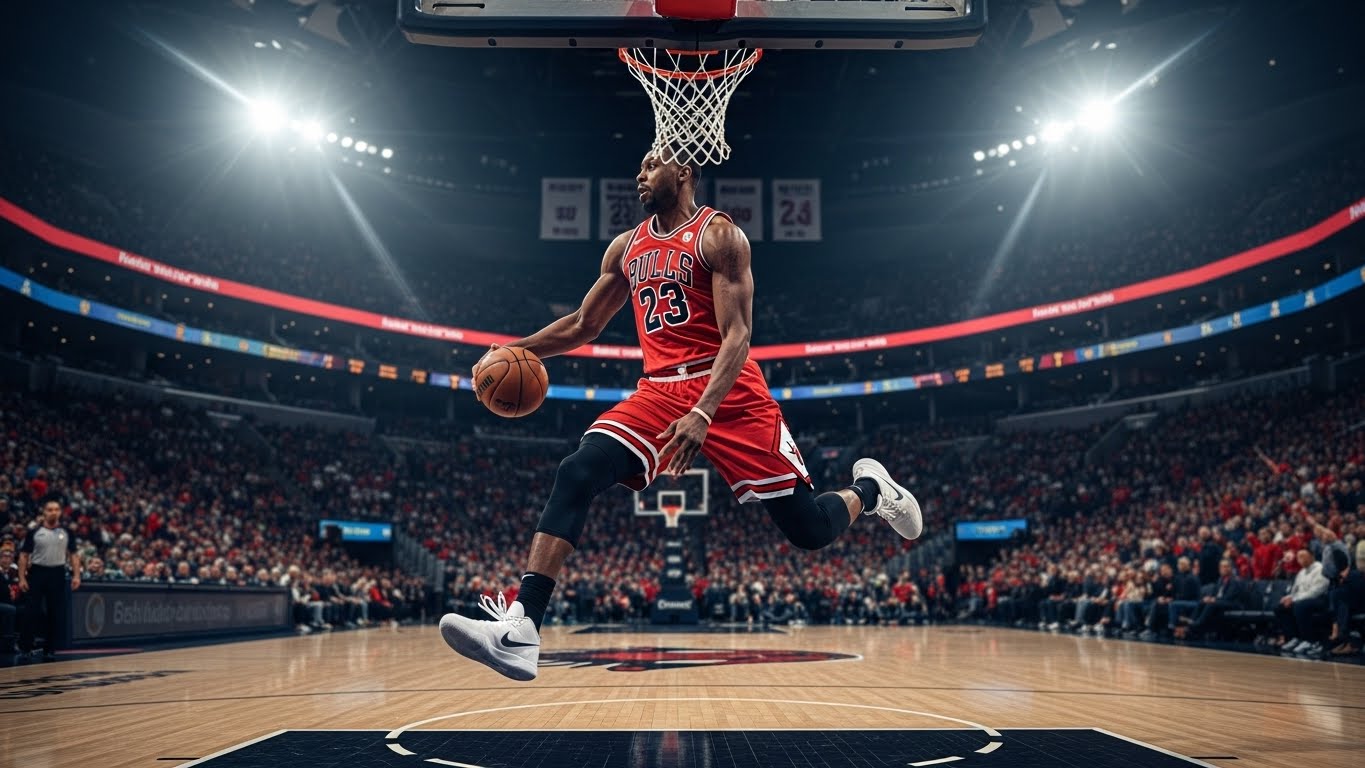
The Evolution of Sports: From Tradition to Innovation

Sports have been a central part of human culture for centuries, evolving from simple games to the organized, professional competitions we know today. From the days of ancient Olympic Games to modern-day global events like the FIFA World Cup or the Olympics, sports have always been a reflection of our passion, teamwork, and competitiveness. However, in recent years, sports have been undergoing a transformation, with technology, new formats, and changing societal interests shaping the future of athletic competition. This post will explore how sports are evolving, the impact of innovation, and what the future may hold for athletes and fans alike.
The Impact of Technology on Sports
Technology has revolutionized sports in numerous ways, both on and off the field. From performance-enhancing wearables to real-time data analysis, technology has changed how athletes train, how teams strategize, and how fans engage with the games they love. Wearables such as fitness trackers and smart watches allow athletes to monitor their health and performance in real time, providing valuable insights that can help prevent injuries and optimize training routines.
Moreover, video analysis tools have become integral in sports strategy. Coaches and analysts use slow-motion replays, tactical boards, and performance tracking software to break down games, making adjustments that could turn a losing game into a win. On the field, technologies like goal-line technology in soccer or the Hawk-Eye system in tennis have brought precision and fairness to decision-making.
The rise of virtual and augmented reality has also created new ways for fans to experience sports, with VR allowing them to feel like they’re courtside at a basketball game or in the front row at a concert, all from the comfort of their home.
The Rise of Esports: The New Frontier of Competitive Sports
While traditional sports have long dominated the landscape of athletic competition, a new form of sport has emerged and is capturing the imagination of millions — esports. Esports, or competitive video gaming, has rapidly grown from a niche hobby into a global phenomenon, with tournaments drawing millions of viewers and offering prize pools that rival those of traditional sports.
Games like League of Legends, Fortnite, and Dota 2 have become massive spectacles, with professional players earning salaries, signing sponsorship deals, and competing in front of packed stadiums. Esports has not only created a new way for people to compete, but it has also opened up opportunities for non-traditional athletes, allowing gamers to showcase their skills and be recognized as elite athletes in their own right.
The growing popularity of esports has led to the creation of collegiate leagues, professional teams, and even networks dedicated to broadcasting esports events, signaling that this form of entertainment is here to stay.
Sports and Inclusivity: Breaking Barriers
In recent decades, there has been a growing emphasis on inclusivity within the world of sports. Gender equality, racial diversity, and the inclusion of athletes with disabilities have become crucial topics in the global sports conversation. Title IX in the U.S. and other similar initiatives worldwide have worked to promote equal opportunities for women in sports, leading to the growth of women’s leagues in football, basketball, soccer, and many other sports.
The Paralympic Games have gained significant attention and respect, showcasing athletes with disabilities excelling in sports at the highest level. Athletes like Tatyana McFadden in wheelchair racing or Oscar Pistorius, the double amputee sprinter, have become icons of perseverance, determination, and athleticism, challenging preconceived notions about disability.
Additionally, sports organizations are increasingly focused on diversity, with more teams and leagues taking active steps to hire coaches, players, and staff from diverse backgrounds. The ongoing efforts toward inclusivity help ensure that sports remain a platform where talent is recognized, regardless of gender, race, or ability.
The Business of Sports: A Multibillion-Dollar Industry
Sports have always been big business, but in recent decades, the scale and influence of the sports industry have reached new heights. Sponsorships, merchandise sales, ticket sales, broadcasting rights, and licensing deals now make up a substantial portion of sports revenue. Major leagues like the NBA, NFL, and Premier League generate billions of dollars each year, while international tournaments like the FIFA World Cup and the Olympics are multi-billion-dollar events.
The business side of sports is not limited to just the big leagues. Smaller sports organizations and even individual athletes have found ways to capitalize on their brand, with social media platforms giving athletes a direct connection to their fans and sponsors. Athletes like Cristiano Ronaldo, LeBron James, and Serena Williams have built lucrative personal brands that extend far beyond their respective sports, making them global icons in the process.
Moreover, the rise of digital platforms and streaming services has changed how fans consume sports, leading to a shift in broadcasting models. Major sports events are now streamed online, with fans able to watch games on platforms like YouTube, Facebook, and Twitch, often free of charge.
The Future of Sports: New Formats and Global Accessibility
As sports continue to evolve, new formats are emerging that aim to make sports more accessible and engaging. One such development is the rise of “micro-sports” or shorter, more fast-paced versions of traditional sports. Sports like Futsal (a small-sided version of soccer) and Street Basketball are becoming more popular in urban areas, offering accessible, fast-action alternatives to their traditional counterparts.
Another exciting development is the growing popularity of virtual and hybrid sports events. The advent of technologies like 5G, augmented reality (AR), and virtual reality (VR) means that fans can expect increasingly interactive and immersive experiences. Whether it’s by participating in virtual marathons or watching a live game in a 360-degree VR format, the way we experience sports is about to be transformed.
In addition, as global connectivity improves, sports are becoming more universally accessible. Digital platforms have made it easier for fans from all over the world to watch their favorite sports, breaking down barriers created by geography. For example, fans in one part of the world can easily watch live broadcasts of games from another continent, something that was nearly impossible just a few decades ago.
Conclusion: The Enduring Power of Sports
Sports have always been about more than just competition; they are a reflection of human spirit, passion, and unity. From their traditional roots to the futuristic innovations shaping their evolution, sports continue to captivate, inspire, and bring people together. Whether it’s the thrill of a last-minute goal, the camaraderie of a team victory, or the personal triumph of breaking records, sports have an enduring power to touch lives and make history.
As we look toward the future, it’s clear that sports will continue to evolve, blending tradition with innovation. And in doing so, they will remain a source of excitement, inspiration, and connection for generations to come.