
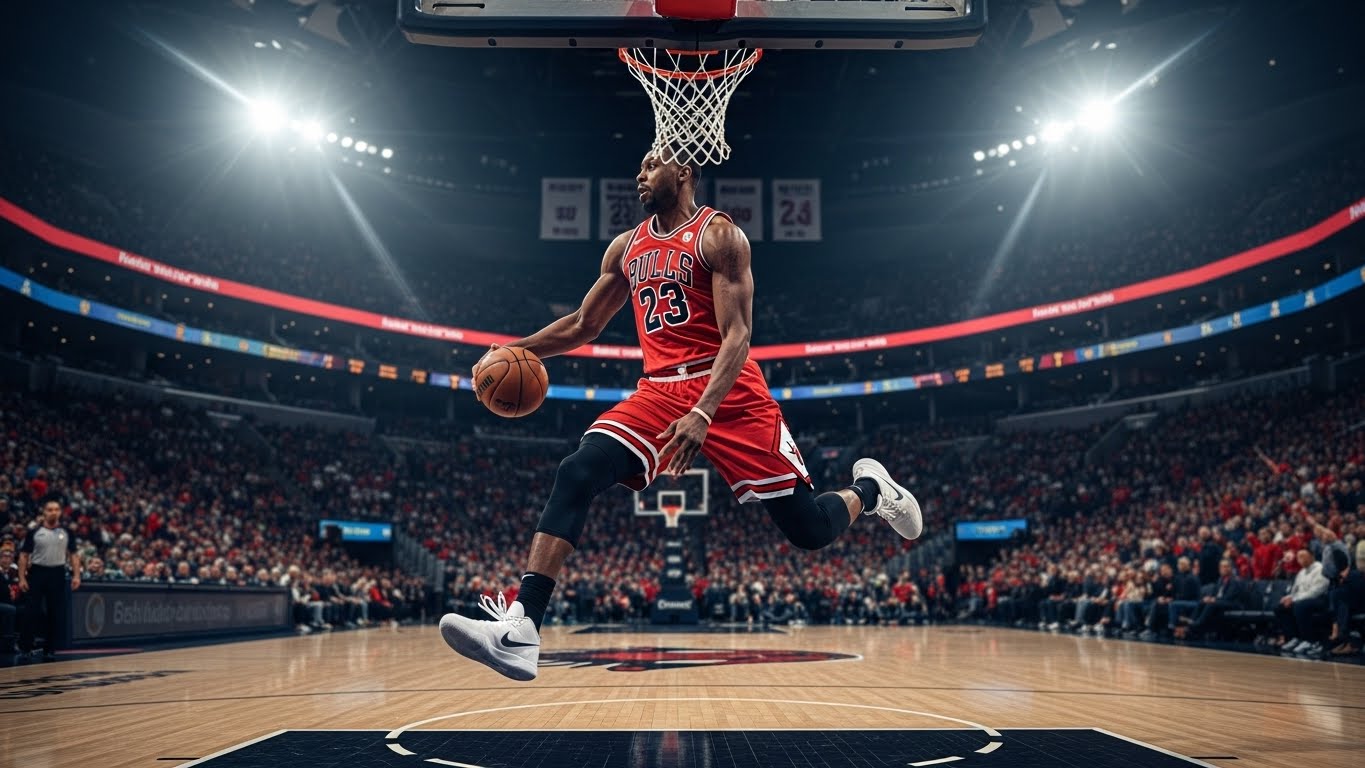
The Evolution and Impact of Sports in Modern Society
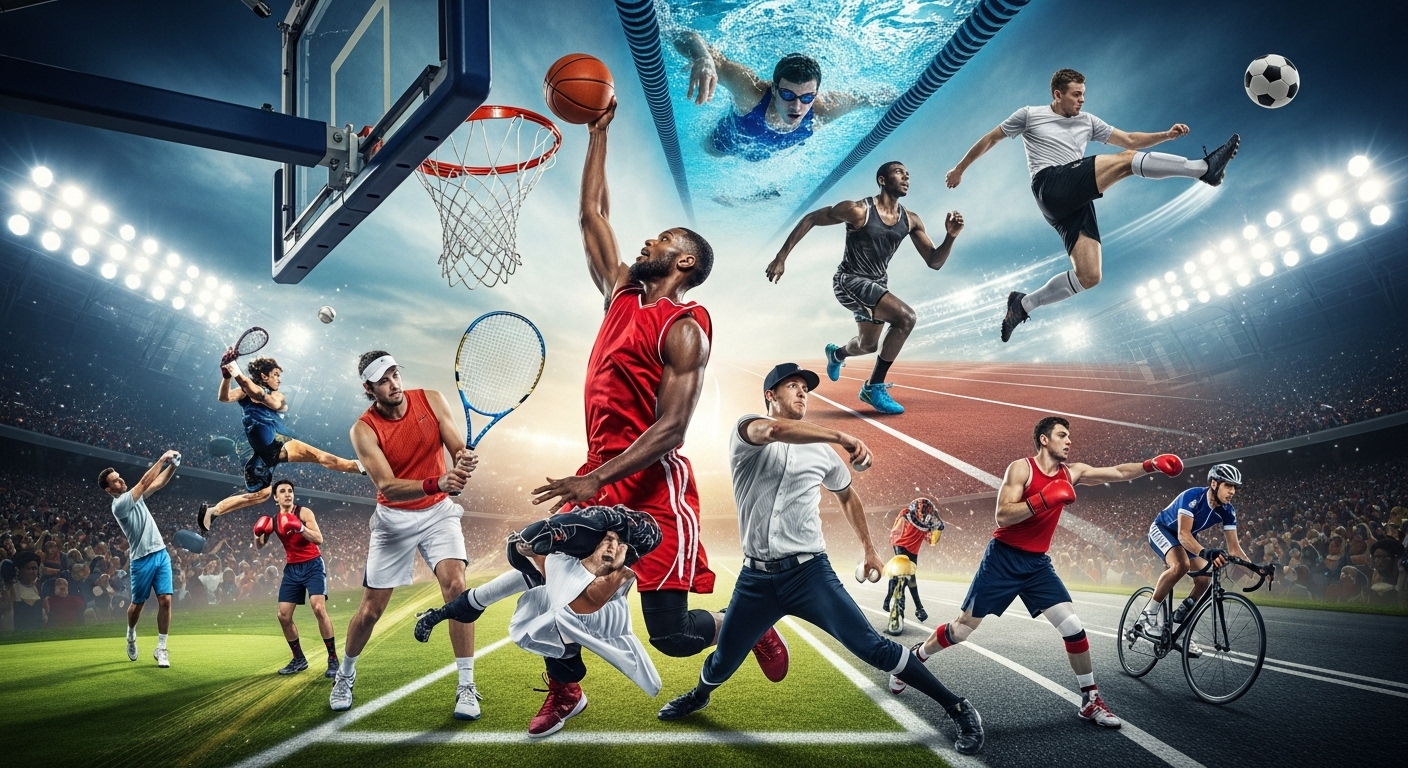
Sports have always been an integral part of human civilization, from the ancient Olympic Games to the vibrant sports cultures we see in today’s world. The significance of sports transcends entertainment; they have become a driving force for social unity, economic growth, cultural exchange, and personal development. In this post, we will explore how sports have evolved, their impact on modern society, and why they continue to be an essential element of our daily lives.
The Historical Roots of Sports
The history of sports dates back to ancient civilizations. Early forms of sport can be traced back to ancient Egypt, China, Greece, and Mesoamerica, where physical contests and games were a form of socialization and ritual. The ancient Greeks are perhaps the most famous for formalizing sport with the Olympic Games, which began in 776 BCE in Olympia. These games not only celebrated athletic prowess but were also a way to honor the gods. The Olympic Games, along with gladiatorial contests in Rome and chariot races in ancient civilizations, were major events that captured the imagination of the people.
In the centuries that followed, sports took on various forms in different cultures. In Europe, medieval jousting tournaments, archery contests, and the early forms of soccer (known as football in many parts of the world) played a central role in social interaction and competition. By the 19th century, sports were becoming more organized and institutionalized, particularly in Europe and North America. The Industrial Revolution played a crucial role in shaping modern sports by creating leisure time for workers and providing the infrastructure (such as stadiums and playing fields) that allowed organized sports to flourish.
The Rise of Organized Sports
The late 19th and early 20th centuries saw the rise of modern sports leagues and competitions, which introduced a new level of professionalism and commercialization. The creation of clubs, teams, and governing bodies helped standardize rules and promote the global spread of sports. This period witnessed the formation of professional leagues in various sports, such as football, basketball, and baseball, which became the major sporting events in their respective countries. The global spread of these sports can be attributed to colonialism, immigration, and advancements in communication, making sports a universal language across the world.
In this era, sports began to move beyond simple recreation and evolved into highly organized and competitive affairs. In the United States, Major League Baseball (MLB) became a source of national pride, while in Europe, football clubs like FC Barcelona and Manchester United developed large fan bases that extended far beyond their local communities. The growth of television during the mid-20th century further cemented the global appeal of sports, broadcasting major events to millions of homes across the world.
The Role of Sports in Society Today
In the 21st century, sports are much more than just games. They have become a powerful force that impacts society in numerous ways. One of the most prominent aspects of modern sports is their ability to bring people together. Whether it’s the Super Bowl in the United States, the FIFA World Cup globally, or the Olympics, sports events unite people across geographic, cultural, and political divides. The sense of belonging that comes with cheering for a local team or national athlete creates a unique form of social cohesion.
Sports as a Means of Social Integration
Sports provide a common ground for people from all walks of life to interact. In multicultural societies, sports can break down barriers and promote inclusion. For example, immigrant communities often use sports as a way to connect with the broader society and create a sense of shared identity. This is particularly evident in team sports, where collaboration and teamwork are key elements. Whether it’s a local youth soccer team or a professional basketball league, sports have the power to unite people with different backgrounds and experiences.
In addition to promoting inclusivity, sports also serve as a platform for social activism. Athletes such as Muhammad Ali, Jackie Robinson, and more recently Colin Kaepernick have used their status to bring attention to important social issues such as racial inequality, civil rights, and injustice. These figures have sparked important conversations about social change, demonstrating that sports can be a catalyst for shifting cultural narratives and bringing marginalized voices to the forefront.
Sports as a Reflection of National Identity
National pride is often tied to success in international sports competitions. When a country excels in events like the Olympics or the World Cup, it fosters a sense of unity and pride among its citizens. This phenomenon is especially prevalent in countries with strong sporting traditions, where victory can symbolize more than just athletic achievement. For instance, Brazil’s dominance in football is a source of national pride, as is New Zealand’s prowess in rugby. The global appeal of these sports allows countries to showcase their cultural values and strengths on the world stage.
In some cases, sports can also act as a diplomatic tool. International sporting events like the Olympics and the FIFA World Cup provide countries with an opportunity to build relationships and foster peace through competition. The famous example of the “Ping-Pong Diplomacy” between the United States and China in the 1970s is one such case where sports played a significant role in easing political tensions.
The Economic Impact of Sports
The financial aspect of sports cannot be understated. Professional sports leagues generate billions of dollars annually through ticket sales, merchandise, broadcasting rights, sponsorships, and endorsements. For cities and countries that host major sporting events, the economic benefits can be substantial. Large-scale events such as the Olympics and the FIFA World Cup are known to bring significant economic opportunities, including tourism, infrastructure development, and job creation.
However, sports can also have a negative economic impact. The cost of hosting large events is often astronomical, and in some cases, cities struggle to recoup their investment. This has led to debates about the financial sustainability of mega-sporting events. Critics argue that the long-term benefits for host cities are not always as significant as they are portrayed, especially when it comes to maintaining stadiums and facilities post-event.
In the professional sports world, athletes themselves have become global brands. Sponsorship deals with companies like Nike, Adidas, and Under Armour make athletes among the highest-paid individuals in the world. These endorsement deals, combined with lucrative salaries from teams and leagues, have elevated athletes to celebrity status. LeBron James, Cristiano Ronaldo, and Serena Williams are just a few examples of athletes who have built entire businesses around their personal brands.
The Psychological and Health Benefits of Sports
Beyond the social and economic impacts, sports play a crucial role in the physical and mental well-being of individuals. Regular participation in physical activities is essential for maintaining a healthy lifestyle. Sports help improve cardiovascular health, strengthen muscles and bones, and enhance flexibility and coordination. For children, participating in sports can contribute to physical development and the acquisition of valuable life skills such as discipline, teamwork, and time management.
From a psychological perspective, sports provide a valuable outlet for stress and anxiety. Engaging in physical activity has been shown to release endorphins, the body’s natural “feel-good” chemicals, which can help alleviate feelings of depression and anxiety. Team sports, in particular, foster a sense of belonging and boost self-esteem. Athletes also develop resilience, as they must cope with setbacks, failure, and the pressure to perform.
At the professional level, sports offer athletes a platform to showcase their skills and achieve greatness. This not only boosts their self-worth but also provides inspiration to millions of fans who look up to them. The narratives of overcoming adversity, dedication, and hard work in sports can serve as powerful motivators for individuals in other aspects of life.
The Challenges and Controversies in Sports
Despite its many positive impacts, the world of sports is not without its challenges. One of the major issues facing modern sports is the problem of doping. Performance-enhancing drugs (PEDs) have been a significant issue in various sports, particularly in athletics and cycling. Athletes who engage in doping undermine the integrity of the sport and create an uneven playing field. As a result, anti-doping agencies around the world continue to work on developing more effective testing methods to ensure fairness in competition.
Another ongoing controversy is the growing commercialization of sports. While the influx of money has allowed athletes and organizations to thrive, it has also raised concerns about the influence of corporate interests on sports culture. The increasing presence of sponsors and advertisers in sports events has led to questions about the commercialization of the athlete’s image and the authenticity of the sporting experience. Fans often express dissatisfaction with how money-driven motivations seem to overshadow the traditional spirit of the game.
Moreover, the issue of inequality in sports—especially gender inequality—remains a major concern. Female athletes continue to face disparities in pay, recognition, and opportunities when compared to their male counterparts. While progress has been made in recent years, gender parity in sports is still a long way off.
Conclusion
Sports have come a long way from their humble beginnings as simple games played for fun. Today, they are a global phenomenon that touches every aspect of life. From the social integration of diverse populations to the economic powerhouse that drives industries and employment, sports have become more than just a pastime; they are a reflection of the values and challenges that shape our world. As society continues to evolve, the role of sports will undoubtedly grow, offering new opportunities for connection, competition, and progress.
Despite the challenges they face, sports remain a vital part of human culture. Whether as a form of personal enjoyment, a source of national pride, or a vehicle for social change, sports will continue to play an essential role in shaping the future of our societies.